
St. Patrick’s Day is a time for celebration, community, and, of course, music. For string musicians, it is the perfect opportunity to bring Irish tunes to life and share the joy of playing with family, friends, students, and audiences. From lively dance rhythms to soulful melodies, Irish music offers something for every level of player and every member of the string family.
What Makes Irish Music Special for String Players?
Irish music is known for its infectious energy and strong connection to dance. Reels move quickly in 4/4 time, jigs bounce along in 6/8, and hornpipes offer a slightly more relaxed, swinging feel. Then there are airs: slow and expressive melodies that allow violists and cellists in particular to explore rich tone and phrasing.
While the violin and bass often have the most visibly established roles in traditional Irish sessions—fiddle carrying the melody and bass anchoring the rhythm—the viola and cello have just as much of a claim in this music. The viola’s warm, resonant middle voice beautifully supports or doubles melodies, and the cello can seamlessly shift between lyrical lines and rhythmic drive. In fact, the flexibility of the inner voices adds depth and color that enriches any ensemble, making it a great style for string orchestra students and collaborative ensemble projects.
No matter the instrument, the heart of Irish playing lies in ornamentation. Rolls, cuts, and slides give the music its unmistakable character. Even students can begin by adding simple grace notes and rhythmic lift to capture that authentic fiddling spirit. These techniques also support strong bow technique and are valuable violin practice tips for developing expressive playing.
What Instrument Is Most Optimal for Playing Irish Tunes?
The beauty of Irish music is that every member of the string family has a meaningful role to play. While the violin (fiddle) is often the most traditional melodic voice, each instrument brings its own strengths to Irish tunes, whether you are playing beginner string instruments or professional string instruments.
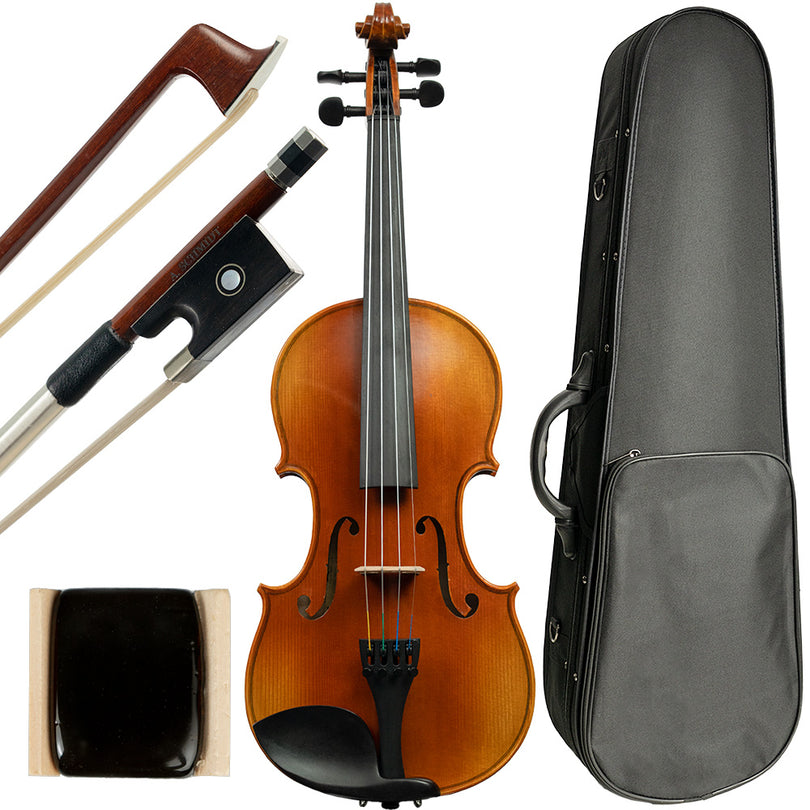
For violinists and violists, Irish tunes call for light, nimble bowing. Short, articulate strokes and a relaxed right hand will keep fast reels crisp and clear. Open strings can add brightness and resonance, especially in dance tunes. Players looking for a responsive student instrument with a clear, projecting sound might consider the Franz Hoffmann® Concert Violin or Franz Hoffmann® Concert Fiddle, a bright and easy-to-play option that works beautifully for quick passages. For more advanced players, consider the Carlo Lamberti® Master Series Fiddle, designed for intermediate to advanced musicians and often paired with Helicore strings to facilitate fast string crossings. Their steel core provides increased stability and flexibility, making swift, skillful string crossings easier and helping the sound project clearly. Whether performing in a grand concert hall or outdoors in the wind and sun, Helicore strings are built for dependable performance.
Cellists and bassists play a vital role in Irish music by anchoring the rhythm and driving the pulse forward. While melody lines can certainly be adapted for lower strings, emphasizing steady rhythm and playing pizzicato drives the pulse's momentum and makes the music come alive. The Franz Hoffmann® Concert Cello provides the responsiveness needed for both lively jigs and lyrical airs, while the Franz Hoffmann® Prelude Bass offers the strong foundation and projection that ensemble playing demands.
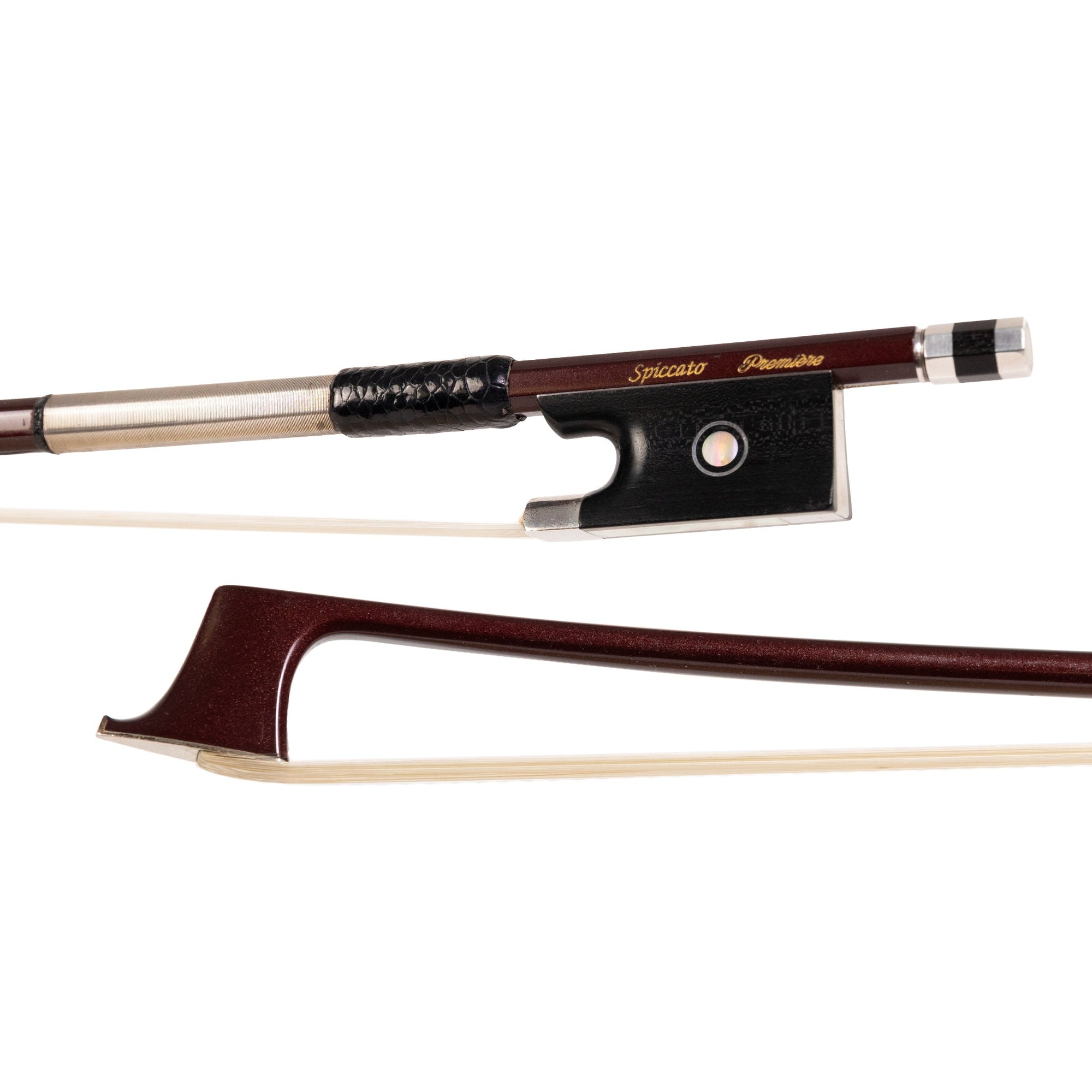
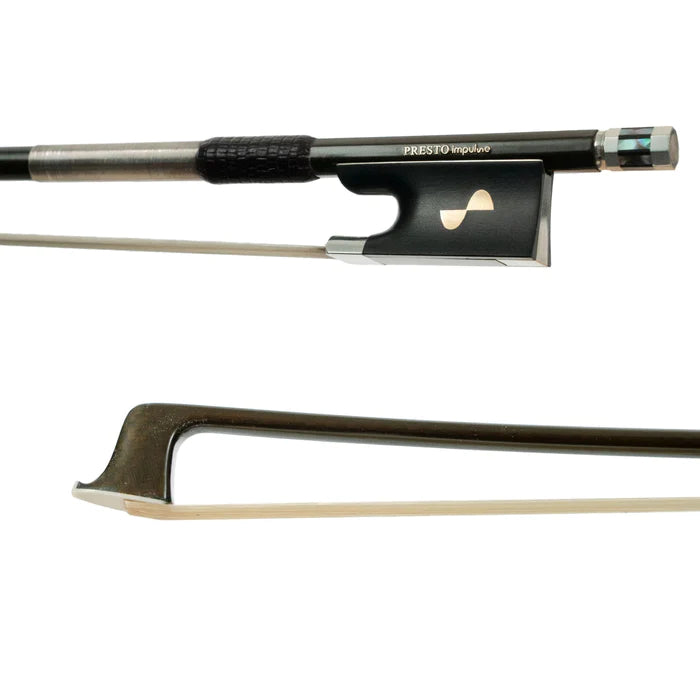
Your bow and setup also make a difference. A well-balanced student bow can handle the quick string crossings and light articulations that reels require, while players ready to upgrade may find that a Pernambuco bow offers greater control and nuance for intricate ornamentation. Fresh rosin helps maintain clarity and grip.
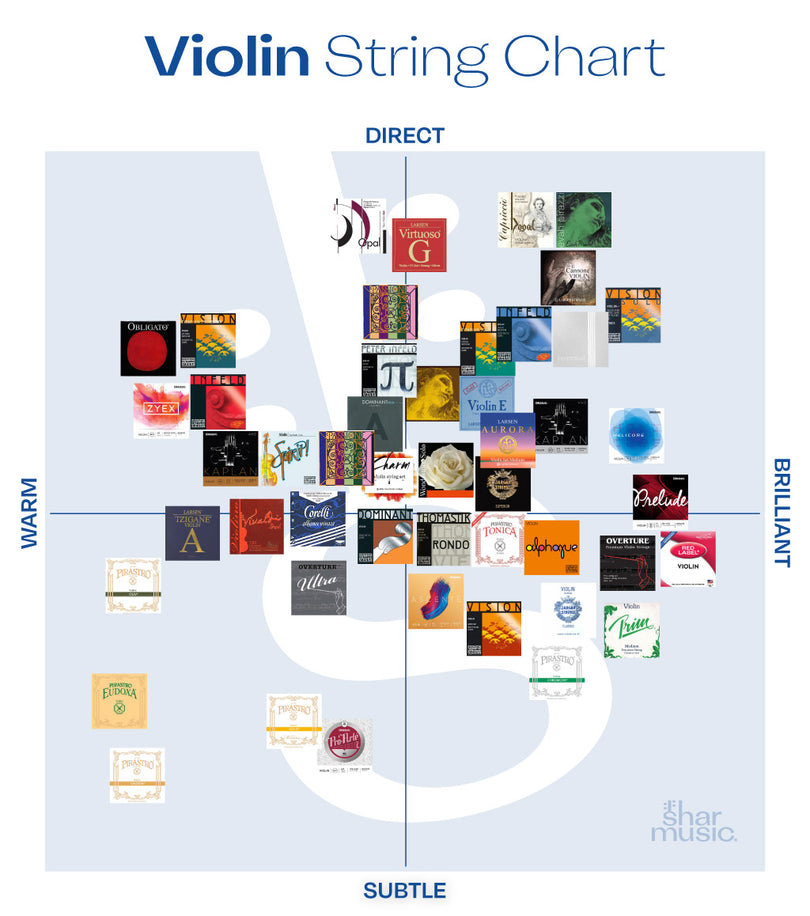
String choice is just as important, especially for traditional players. Many fiddle musicians prefer steel-core strings for their quick response, stability, and bright projection. Options such as D’Addario Helicore, Prim, Thomastik-Infeld Dominant, and Pirastro Tonica are popular because they make fast reels and crisp ornaments easier to execute while holding pitch well in varying environments.
If you prefer a softer, less brash, and warmer sound—particularly for expressive airs—a synthetic-core string may be a better fit. Pirastro Obligato and Thomastik-Infeld Red or Blue sets offer greater tonal depth and a smoother texture under the bow.
For players who want the clarity and responsiveness of steel with added tonal color at an exceptional value, Shar’s Overture Ultra strings are an excellent option. They deliver the overtones and projection traditional players expect from steel strings at a fraction of the cost of many premium brands—making them a smart choice for advancing students, teachers equipping studios, and active session players alike.
Staff Recommendations:
-
Bows: Presto® Spark Carbon Fiber Violin Bow, Presto® Audition Carbon Fiber Viola Bow, Meinel Pernambuco Cello Bow, R. A. Meinel Pernambuco Bass Bow
- Rosins: Magic Rosin 3G for Violin and Viola - Fiddlin' Dragon, Hill Dark Rosin for Violin, Viola, and Cello, Carlsson® Swedish Bass Rosin
What Irish Tunes Should I Try?
If you are wondering where to start, pieces like “Little Diamond Polka” by Tom Morley, “Return From Fingall” by Pamela Kanther and “Danny Boy” by Aleksey Igudesman are wonderful choices. As you practice, experiment with ornamentation. Irish music is dance music at its core, so maintaining a steady pulse, especially at higher speeds, is essential.
Staff Recommendations:
-
Morley, Tom - Learn To Play Irish Trad Fiddle - Book/CD - Flying Frog Music
-
Igudesman, Aleksey - Celtic and More: Violin Duets - Universal Edition
Ensemble and Advanced Tunes
For players ready to tackle ensemble arrangements or more challenging pieces, Irish music offers a wealth of options that go beyond beginner duets. Full ensemble arrangements for violins, violas, cellos, and basses let players explore harmonization, interplay between parts, and rhythmic drive in a group setting.
Collections like Celtic and More and Celtic Fiddle Tunes for Solo and Ensemble work well for small groups and studio ensembles, while solo collections such as The Celtic Fiddler, 50 Tunes for Fiddle, and Crossing to Scotland offer more advanced players the opportunity to expand their technique and expressive range.
Exploring ensemble arrangements also helps players practice ornamentation, phrasing, and maintaining a steady pulse in a more complex musical texture, which mirrors real-world playing in sessions, orchestras, or Celtic festivals.
Staff Recommendations:
-
Igudesman, Aleksey - Celtic and More: Violin Duets - Universal Edition
-
Jones, Edward Huws - The Celtic Fiddler - Violin part ONLY - Boosey & Hawkes Edition
-
Abby Newton - Crossing to Scotland for Cello Book only Published by Mel Bay Publications
How Can I Embrace Irish Music Traditions?
Irish music is traditionally learned by ear and shared in community settings. Consider playing along with recordings to internalize the style and rhythmic lift that defines the genre. Hosting a studio mini-session, inviting family members to sing along, or encouraging students to trade melodies can create a sense of connection that reflects the true spirit of the music. Experiment with dynamics, phrasing, and bow accents, and remind students that expression and joy matter more than perfection.
How Do I Care for My Instrument During Seasonal Changes?
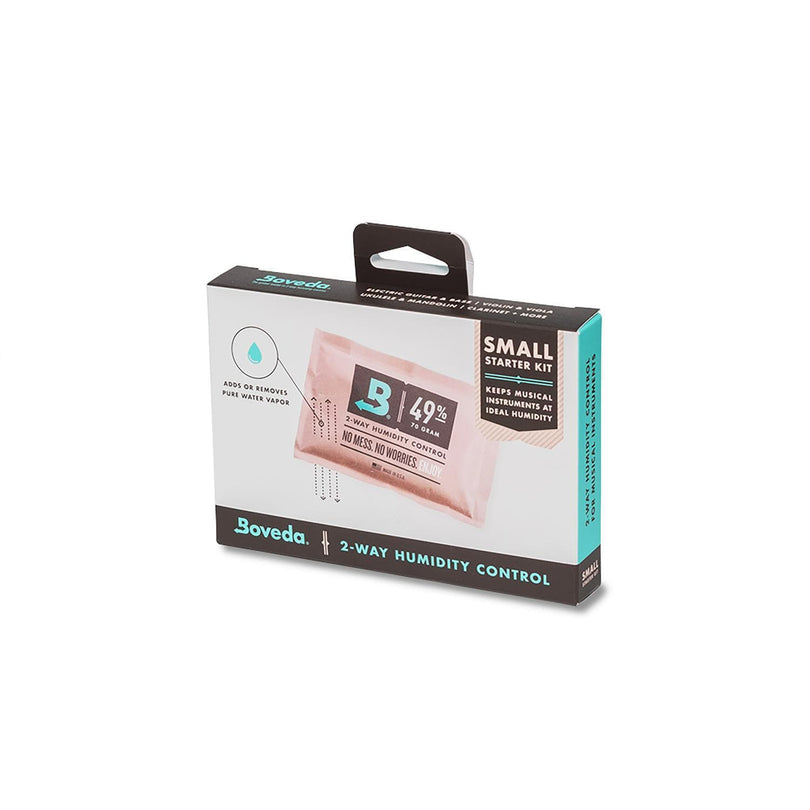
March weather can fluctuate dramatically depending on where you live, and protecting your instrument is always important. Keeping humidity between 40-60 RH% (relative humidity) helps prevent cracks, open seams, and warping. Reliable case humidifiers such as those from Boveda and Humidi-Guard systems can help maintain a stable environment. Wiping down your instrument after each practice session will also prevent rosin buildup and protect the varnish. Regular bow rehairs and string changes ensure your sound remains vibrant and responsive.
Staff Recommendations:
-
Humidifiers: Boveda Two-Way Humidity Packs - 49% RH - 4-Pack, Dampit Humidifiers for Violin, Viola, Cello, and Bass
- Cleaning Cloth and cleaners: Shar Cleaner, Shar Polish, Shar Music® Micropourous Super Cleaning Cloth - Untreated
Should I Consider an Upgrade for Better Performance?
If you have been thinking about upgrading, this festive season can be a motivating time to invest in your sound. Moving from an entry-level instrument to a more advanced student model—such as a Carlo Lamberti® Sonata level—can offer greater resonance, projection, and musical flexibility.
For players passionate about Irish and traditional styles, Shar also offers dedicated fiddle options within the Carlo Lamberti® line. The Carlo Lamberti® Classic Fiddles provide clarity and quick response that suit lively reels and jigs, while the Carlo Lamberti® Master Series Fiddles offer greater tonal depth, nuance, and projection for expressive airs and advanced ornamentation.
Whether upgrading to a refined violin setup or choosing a fiddle variant designed with traditional playing in mind, the right instrument can make fast passages feel easier, double stops ring more clearly, and subtle stylistic details shine.
While a higher-quality instrument will not replace thoughtful practice, it can inspire it and make expressive playing more accessible.
Final Thoughts
This St. Patrick’s Day, tune your strings, lighten your bow arm, and let the rhythm carry you. Whether you are playing in the classroom, at home, or in a lively session with friends, Irish music reminds us why we believe in music. It brings joy, builds friendships, and creates moments worth celebrating.