

How Jascha Heifetz Redefined Violin Playing and Set a Lasting Standard
Jascha Heifetz is widely recognized as one of the most influential violinists in history. His flawless technique, unmistakable tone, and disciplined musical approach reshaped violin playing for generations. More than a virtuoso, Heifetz set a new benchmark for clarity, precision, and expressive control that still defines serious violin study today.
His recordings, teaching, and editorial work continue to influence how the violin is played, practiced, and taught around the world.
In this article, we explore what made his sound so distinctive, answer common questions about his artistry, and highlight violin tools and accessories from Shar Music that support the kind of focused, intentional playing Heifetz exemplified.
Why is Heifetz such a big name in violin history?
Heifetz was a prodigy who gave his first public concert at age 7 and performed with major orchestras by 11. Born in Vilnius in 1901, he studied under the legendary Leopold Auer, whose studio also produced many of the 20th century’s great violinists.
His 1917 Carnegie Hall debut marked a turning point in violin performance. Critics described the event as startling, not just because of his technical command, but because audiences had never heard violin playing with that level of polish, control, and consistency. After Heifetz, technique did not gradually evolve - expectations shifted almost overnight.
He was not simply fast or accurate. He was deliberate. Every sound served the music.
What did the “Heifetz sound” actually sound like?
The Heifetz sound was clear, focused, and intense, without excess motion or sentimentality. He used a fast, narrow vibrato, precise articulation, and extraordinary bow control to produce a tone that projected effortlessly while remaining refined.
While many listeners focus on his left-hand brilliance, violin teachers often point to his bow arm as the real foundation of his sound. Heifetz maintained a consistent contact point, quick string engagement, and minimal wasted motion, allowing every note to speak immediately and cleanly.
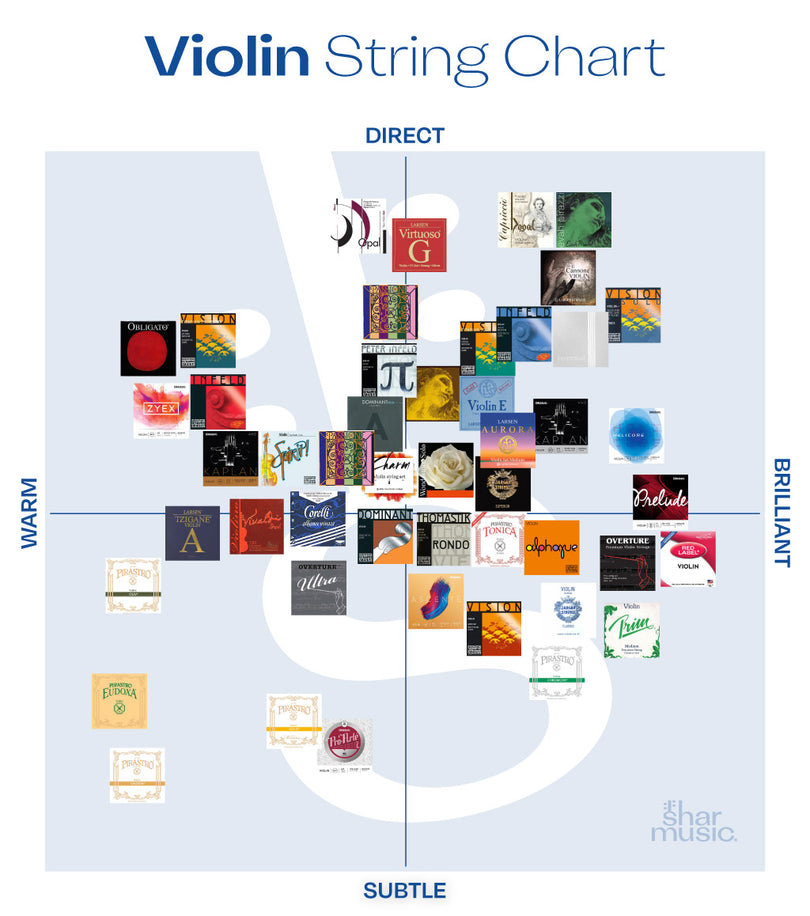
For players working to shape a tone with similar warmth, clarity, and projection, a high-quality string set can make a noticeable difference.
🎻 Consider the Pirastro Evah Pirazzi Gold Strings
These premium strings offer warmth, clarity, and powerful projection, which are perfect for players shaping a bold, expressive tone.
Did Heifetz use a Stradivarius?
Although Heifetz owned a Stradivarius, he preferred performing on a 1742 Guarneri del Gesù. The instrument’s darker, more powerful character matched his commanding style and tonal ideals.
His choice reflects an important lesson for modern players: great sound comes from matching the instrument to the player, not from the label alone.
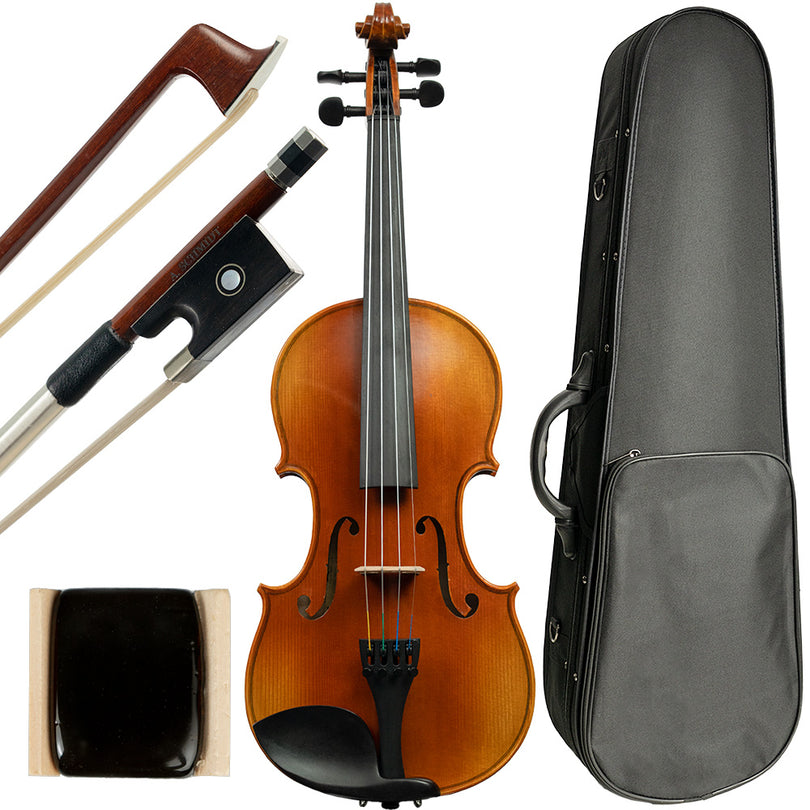
If you're an advancing student ready to explore a warmer, more nuanced sound, upgrading your violin can make a real difference in both tone and responsiveness.
🎻 Consider the Karl Joseph Schneider® Legacy 1732 Guarneri.
This violin delivers a warm, rich sound with excellent responsiveness. It is a strong choice for players who are ready to move beyond the basics and explore more expressive, refined performance.
Did Heifetz teach other violinists?
Yes. In his later years, Heifetz taught at the University of Southern California, though he was selective and demanding. He believed not every student was ready for his standards, and he emphasized listening, discipline, and musical responsibility over imitation.
Heifetz also edited and reworked violin repertoire, including cadenzas and fingerings that remain widely used today. His influence extended beyond performance into how violinists think about structure, phrasing, and technical efficiency.
For students today, building strong habits with reliable practice tools is one of the best ways to develop consistency and musical growth.
Try some of our recommendations below to help fine-tune your technique like Heifetz.
🎒 Shar Essentials Practice Kit:
This kit includes a metronome, tuner, and rosin to help keep your daily routine focused, efficient, and effective.
🎒 Granat - The Heifetz Scale Book for Violin:
The Heifetz Scale Book presents all the great master violinist Jascha Heifetz' scale routines that were developed over his long career, but never written down.
🎒 Gershwin, George - Selections from Porgy and Bess - Violin and Piano:
Transcribed by Jascha Heifetz, this includes Summertime/A Woman is a Sometime Thing; My Mans Gone Now; Bess, You is my Woman Now; It Aint Necessarily So; Tempo di Blues
🎒 Heifetz, Jascha - The Heifetz Collection, Volume 1: Transcriptions and Cadenzas - Violin and Piano:
This features Jascha Heifetz’s own violin arrangements and transcriptions of works by composers like Debussy, Faure, and Prokofiev, offering players a challenging and expressive addition to their repertoire.
🎒 Heifetz, Jascha - The Heifetz Collection, Volume 2: Heifetz Plays Gershwin - Violin and Piano:
This features even more of Jascha Heifetz’s own violin arrangements and transcriptions of works by composers like Debussy, Faure, and Prokofiev.
How does Heifetz continue to influence violin players?
Heifetz reshaped what it means to be a violinist. His influence reaches far beyond his recordings. The standards he set for tone, articulation, and musical control remain central to conservatory training and professional performance.
When musicians speak about precision, clarity, and expressive restraint, they are often pointing back to the example Heifetz established. His legacy lives on through his students, his editions, and the countless players who continue to study his approach.
For violinists working to improve tone and control, careful attention to bowing remains one of the most effective paths forward. The right bow can unlock articulation, dynamic range, and consistency that support confident musical expression.
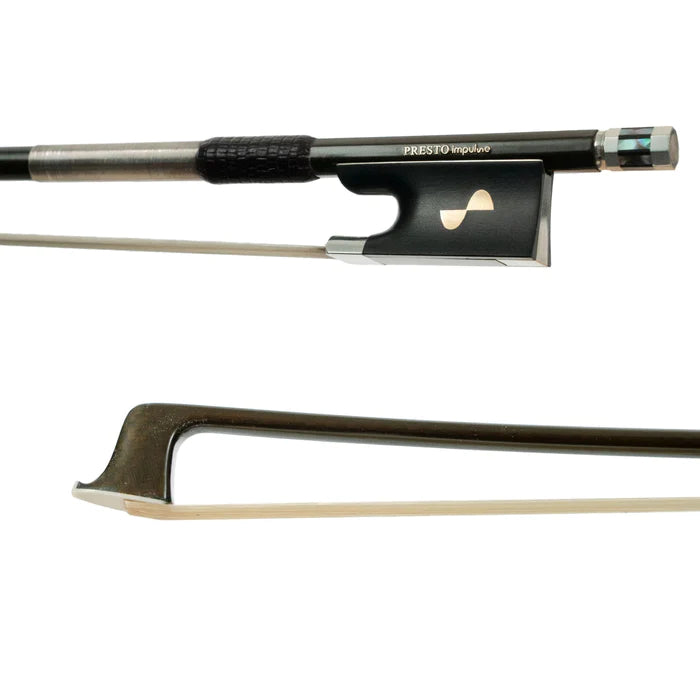
🎯 Try the Presto® Impulse Carbon Fiber Violin Bow
Bow for advanced players. This bow offers excellent balance, smooth articulation, and the responsiveness needed to explore greater musical depth and dynamic control.
🎻 Consider the Heifetz Mute for Violin or Viola.
The unique design of the Heifetz mute allows the player to adjust the muting effect by sliding the metal tension clip down or up, muting more or less as a result.
Supporting the Work Behind the Music
Great playing is rarely about one breakthrough moment. It’s built through steady practice, careful listening, and tools that respond reliably day after day.
That is the tradition Heifetz represented, and it’s the tradition Shar Music continues to support - helping musicians focus less on fighting their equipment and more on shaping the sound they hear in their heads.
🎻 Explore the Shar Music Website and find the tools that help you grow and express your unique sound.