
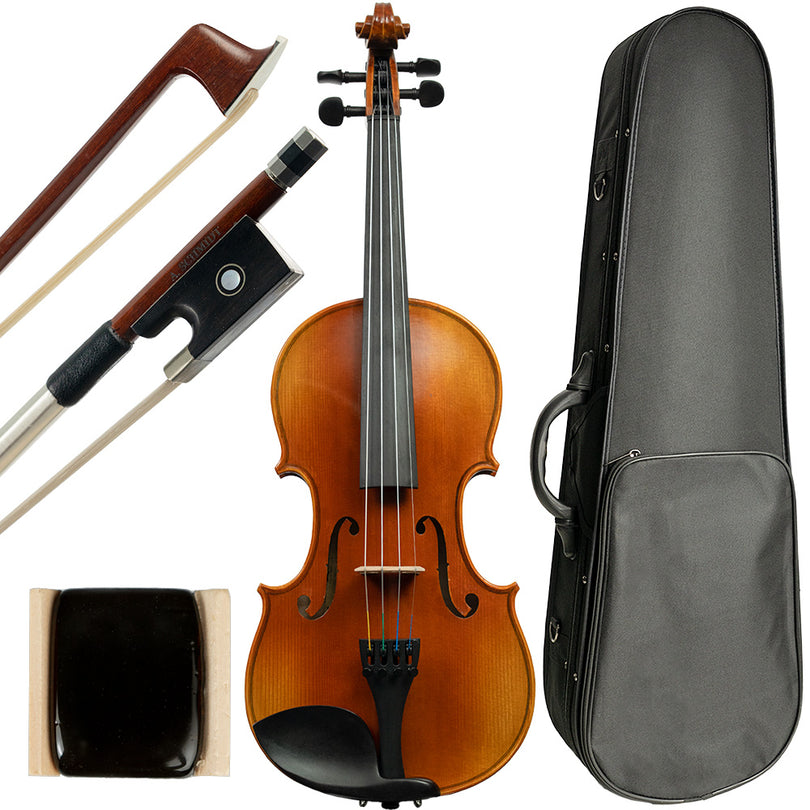
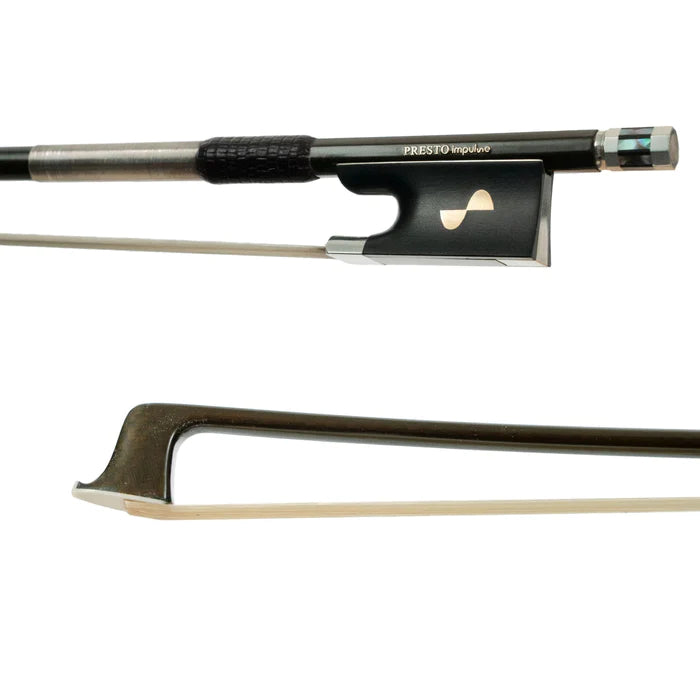




As a string teacher, you're not just building musicians, you're also managing a small fleet of delicate wooden instruments. The good news? Most of the issues you'll face are 100% preventable with simple routines.
Here's a guide to the daily habits and quick wins that keep your instruments intact.
Teach These Daily Habits
Make these part of your classroom expectations from day one:
-
Wipe the instrument down after playing-especially the strings and fingerboard.
-
Loosen the bow before putting it away to prevent damage to the stick.
-
Retract the endpin on cellos and basses.
-
Remove shoulder rests before closing cases to avoid pressure damage.
💡 Start the year with a hands-on demo day. Students love practicing the "right way" to pack up.
Humidity Awareness Made Simple
Even the most careful student can't prevent a seam from opening if the room's too dry. Here's how to keep climate control on your radar:
-
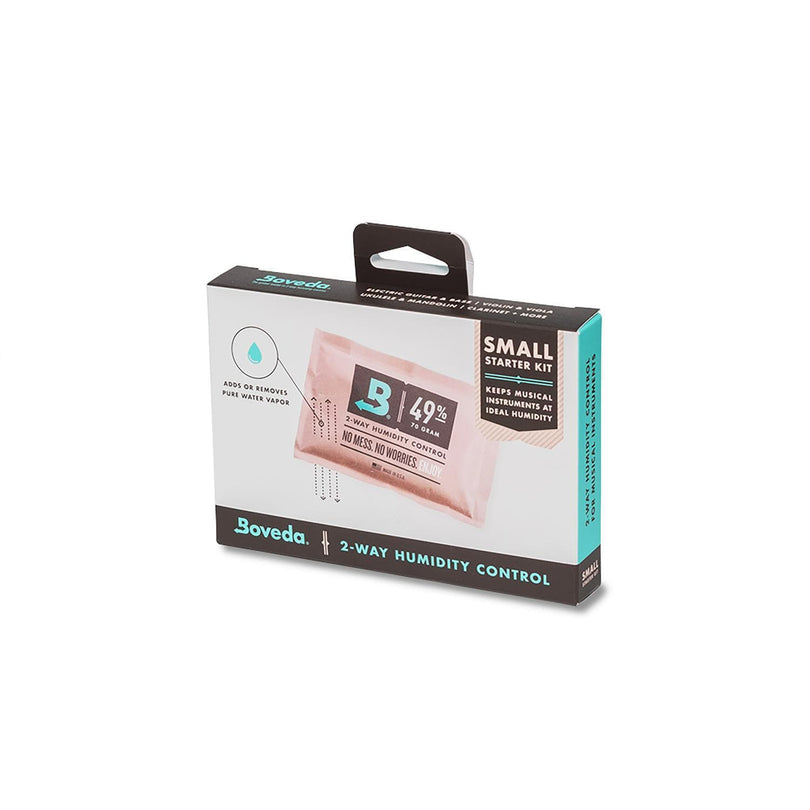
Keep humidity between 40%-60% (get a basic hygrometer for the room or cases).
-
Use case humidifiers like Oasis or Stretto during dry months.
-
Keep instruments away from direct sunlight, vents, or exterior walls.
🎯 Remember: wood moves with humidity. Stable climate = happy instruments.
Quick Daily Check-Ups
Get in the habit of looking out for:
-
Leaning bridges
-
Fraying or unraveling strings
-
Buzzing seams or strange sounds
-
Uneven or broken bow hair
- Checking for fallen soundposts
🧠 Assign a weekly "Instrument Assistant" to help check cases while you tune.
Build a Care Kit for Your Classroom
Must-haves for quick fixes and good habits:
-
Rosin (light and dark)
🛠️ Bonus idea: Let students earn their own "Care Kits" through good practice habits.
Conclusion:
When students learn to respect their instruments, they start to take pride in their musicianship. Empower them with responsibility, and your classroom will run smoother-and sound better-every day.


