




As a string teacher, you have probably dealt with the frustration of a warped bow or a leaning bridge right before class begins. These interruptions not only derail your rehearsal plans but also take valuable time away from teaching. Fortunately, most instrument issues show clear signs before they become serious problems. By learning what to look for and teaching students a few simple checks, you can keep your instruments in good shape and your classroom running smoothly. Here's what to watch for and how to stay one step ahead.
The "Is Something Off?" Checklist
Make it part of your weekly classroom routine to scan for:
-
Bridge leaning forward? That's a sign of tuning tension pulling it over. Gently adjust it back or show students how.
-
Seam buzzing? A change in humidity may have opened a seam. Time for a visit to your local luthier.
-
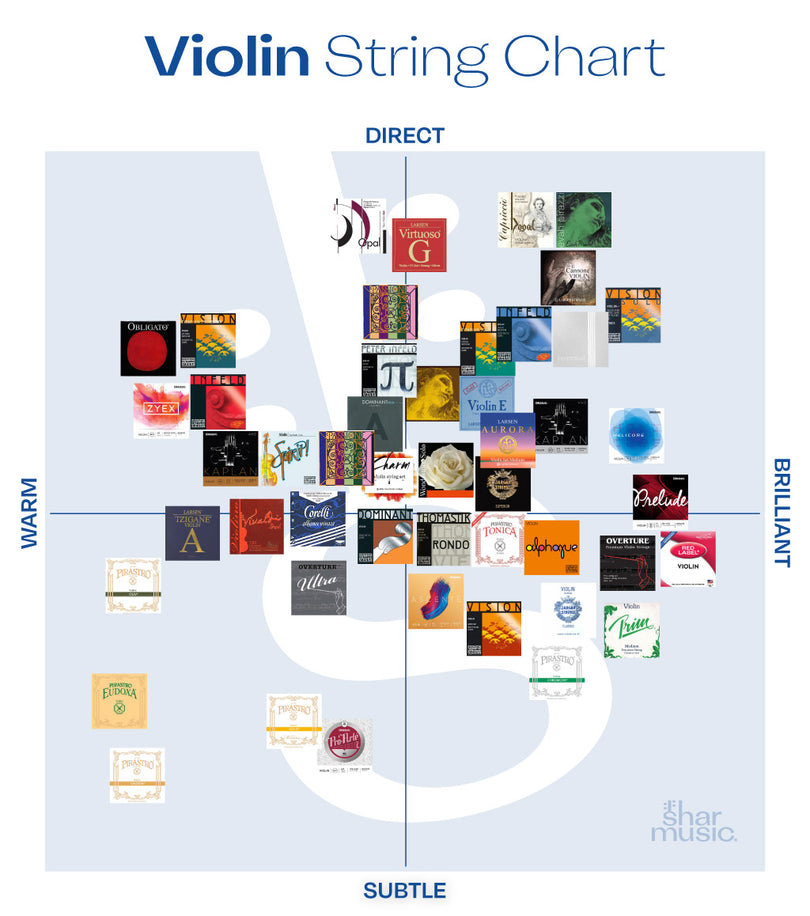
Strings not ringing clearly? Might be worn out, "false," or improperly seated on the bridge.
-
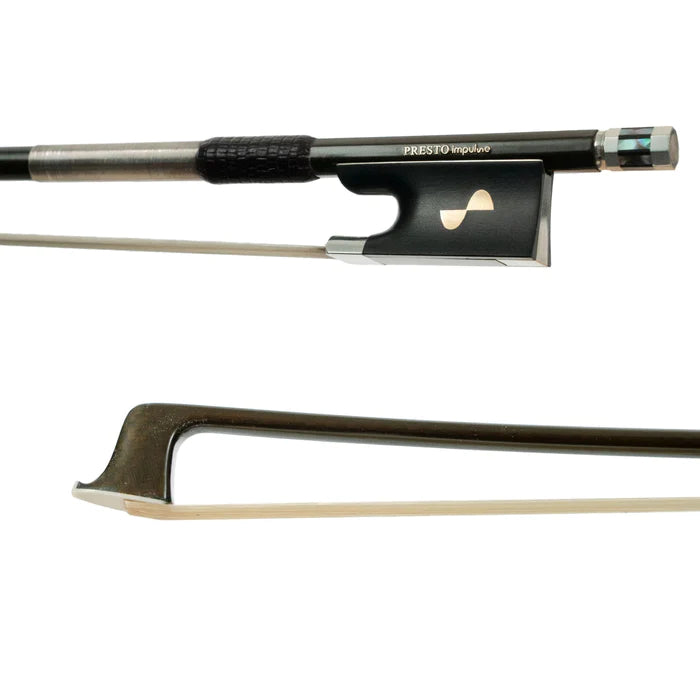
Bow tension weird? The bow may be warped or need a rehair.
👀 Visual checks once a week save hours of lost rehearsal time later.
What to Teach Students About Strings
Students often don't realize strings wear out or affect their sound. Here's what they should know:
-
Strings typically last 3-6 months with regular playing.
-
A dull, lifeless sound or difficulty playing could mean it's time to replace them.
-
Any unraveling is a clear sign to change the string immediately.
-
Don't over-tighten! That's a fast track to snapped strings and slipping pegs.
🎓 Teach them how to tell the difference between a string issue and a technique issue-it builds confidence and ownership.
Don't Forget the Bow
The bow is half the instrument-and it needs love too.
Teach students to:
-
Wipe the stick clean of rosin after playing.
-
Loosen the hair every time.
-
Watch for dirty or uneven hair-a sign it's time for a rehair.
-
If the screw feels tight or gritty, it's time to inspect the frog mechanism.
When to Call for Help
Some repairs are DIY-friendly; others need a professional. Know when to call your shop:
-
Open seams or cracks
-
Warped bows
-
Bridges that no longer stand properly
-
Strings that won't stay in tune after replacement
- Fallen or crooked soundposts
💬 Pro Tip: Shar Music has a fantastic team of luthiers that are willing to help. Our team of highly skilled luthiers and technicians are ready to help you with all your repair and restoration needs, whether you're local to Michigan or are located elsewhere in the US. We offer everything from standard bow rehairs to custom sound adjustments and cosmetic instrument work as well. Contact us today!
Conclusion:
A proactive approach to instrument care is one of the best gifts you can give your students-and your future self. The more they know, the fewer surprises you'll face during concert week.


