




You tune your violin, set it down, and return to find a string has dropped in pitch. Or a peg turns loose as soon as you let go. Slipping pegs are frustrating, and the cause may be tuning technique, changing humidity, string winding or the fit of the peg. This guide explains gentle first checks, the limits of peg treatments and when to ask a luthier for help.
Why Do Violin Pegs Slip?
Traditional wooden violin pegs are held by friction. A tapered shaft fits two corresponding holes in the pegbox, and a good fit lets it turn smoothly and hold under string tension. Geared pegs work differently: follow their maker's instructions rather than applying the push-and-turn technique or peg treatments described here.
So, are your tuning pegs supposed to be loose? No. A healthy peg should turn smoothly when you push and twist it, then stay exactly where you leave it. If yours won't, one of these causes is usually behind it:
- Humidity changes. Dry air can shrink wooden pegs enough to reduce their grip; higher humidity can make pegs harder to turn. Seasonal changes affect the fit in ways that depend on the wood and the instrument.
- Worn or uneven fit. Pegs and holes can wear or become out of round. A peg may sit too deeply or turn unevenly. Shiny contact bands are normal and do not, by themselves, prove that a peg is worn out.
- Poor fitting or obstructed string winding. A peg may not contact both holes evenly. A winding jammed against the pegbox wall or a string rubbing another peg can also interfere with tuning.
- A crack near the peg hole. If the scroll was recently bumped or dropped, a small crack can open near a peg hole and relieve the pressure that holds the peg.
If slipping began during a weather change, check humidity and tuning technique first. Persistent slipping needs a fit assessment. If it began after a knock or drop, stop forcing the peg and have the pegbox checked for damage.
Tune the Right Way: Push and Turn
A properly fitted traditional peg needs light inward pressure as it turns so that it seats in the taper. More force is not the answer to a poor fit. If you are new to tuning with pegs, have a teacher demonstrate the movement before trying it yourself.
- Check fine-tuner travel. If a fine tuner is near the end of its range, bring it toward the middle while keeping its screw engaged. Do not force it or let its lever press against the instrument. You only need to adjust the tuner for the string you are working on.
- Support the instrument securely. Use a hold your teacher has shown you that supports the neck and pegbox while leaving you able to turn the peg gently. Avoid letting the violin wobble or using the scroll as a lever.
- Use small turns with light inward pressure. If necessary, ease slightly below the target, then approach it from below while seating the peg gently. Pluck and check pitch as you go. Watch both note name and octave, and stop if the peg resists or you are unsure which direction raises pitch.
- Check one string at a time. Confirm that the peg holds before moving on. Tuning can pull the bridge forward; check its alignment and ask a teacher or luthier for help if it leans.
- Finish with the fine tuners. Once every string is close, use the fine tuners for the last bit of precision.
A peg that squeaks or moves in jumps may have a friction or fitting problem. A clicking sound, visible crack or sudden change after an impact is a reason to stop and seek inspection. Do not assume every unusual sound simply needs lubricant.
Peg Compound, Chalk and Peg Drops: What to Know
Peg treatments alter friction; they do not repair an oval hole, a badly fitted peg or a cracked pegbox.
Peg compound can help a suitable wooden peg turn smoothly. A product such as Hill Peg Compound is intended for traditional friction pegs. Use a small amount as directed, ideally after a teacher or luthier has checked the fit. The product is not a guaranteed permanent cure for slipping, and adding more can make matters worse.
Do not make household chalk a routine fix. Advice about chalk varies, and additives or buildup can affect the contact surfaces. Some repair shops advise against chalk altogether. For an instrument you are unsure about, use professional guidance instead of experimenting with chalk, rosin, oils or household substitutes.
Peg Drops are not the automatic next step. Peg Drops are sold to address slipping, but repairers differ in whether they recommend them. Some report excessively tight or damaged pegs after friction-increasing treatments. Ask the luthier caring for your violin whether the product suits its pegs, and follow the current bottle directions. A failed compound treatment is a reason to check fit, not proof that a stronger treatment is needed. Do not apply liquid treatments to a damaged pegbox or to geared pegs.
How to apply peg compound
If a teacher or luthier has confirmed that compound is appropriate and you know how to replace a string, work on one peg at a time. Keep the others under tension to help preserve bridge and soundpost support. On a rental instrument, follow the shop's maintenance instructions.
- Loosen the affected string fully and free its end from the peg. Keep track of which hole the peg belongs in; do not interchange pegs.
- Withdraw that peg and wipe away loose residue with a soft, dry cloth. Do not sand, scrape or reshape it.
- Identify the two contact bands where the shaft meets the pegbox walls. Apply a small amount of compound there according to the product instructions. Stop if you cannot identify the contact areas or see a damaged surface.
- Return the peg to its own holes and turn it gently to distribute the compound. Do not force a tight or uneven fit.
- Refit the string and make neat windings that do not jam against the pegbox wall or rub another peg. Bring it gradually to pitch with light inward pressure; check the bridge and whether the peg holds.
- If it still slips or binds, have the fit checked rather than repeatedly adding compound.
Use only the amount needed. If the result is sticky, slippery or uneven, stop experimenting and ask a teacher or repairer to check it.
When to See a Luthier
Gentle tuning and appropriate maintenance can help, but these signs need a professional assessment:
- A crack near a peg hole. If the scroll was knocked or dropped and a peg started slipping soon after, check closely for a hairline crack in the pegbox. Do not force the peg or add compound or Peg Drops. Stop playing and ask a luthier promptly how to relieve tension safely; do not force a stuck peg to loosen it.
- Persistent slipping or binding. If a gentle tuning technique does not work, or an appropriate treatment has not helped, ask for a check of fit, winding and clearance.
- Worn or poorly fitted pegs. Pegs that sit unevenly, poke too far through the pegbox, or have worn thin may need refitting. A luthier can reshape the pegs, ream the holes so the taper matches, or install new pegs entirely. In some cases, worn holes are bushed (filled and redrilled) to restore a proper fit.
How much does it cost to fix violin pegs? It depends on where you live and how much work is needed. Minor adjustments generally require less work than bushing holes or fitting new pegs, but only an inspection can establish the scope. The best approach is to have a luthier inspect the instrument and give you a quote before any work begins.
If you'd like our team to take a look, visit our repairs and restoration page to learn more about our workshop services.
Prevent Slipping Pegs Through the Seasons
Steady storage conditions can reduce seasonal tuning problems. Watch for dry indoor air during heating season and for excessive dampness; the relevant conditions are those around your instrument, not simply the month of the year.
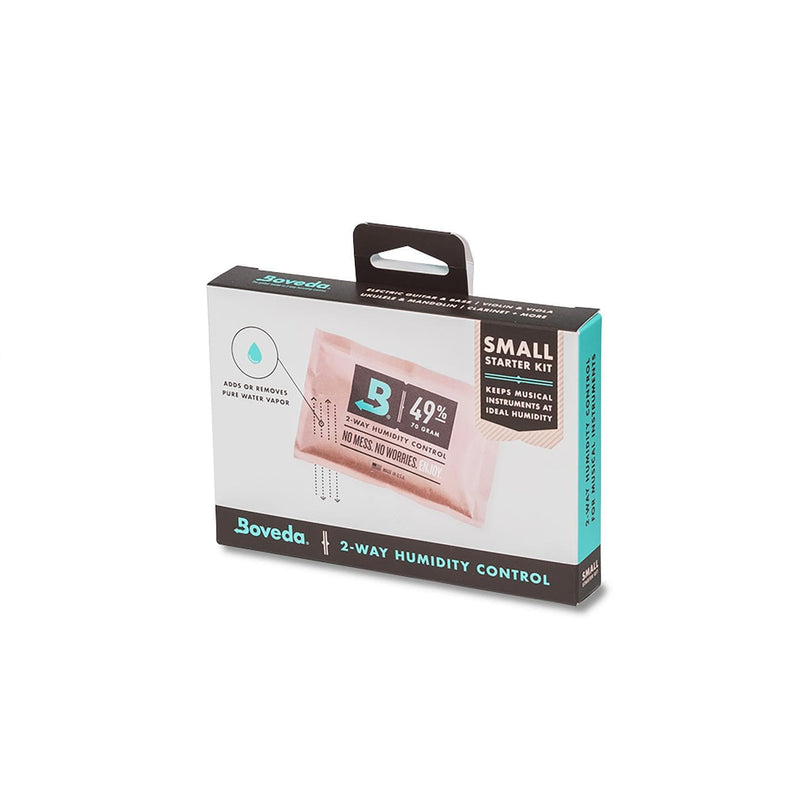
- Monitor humidity. Use a hygrometer and ask your luthier for an appropriate range for the instrument and climate. If adjustment is needed, use a system intended for string instruments according to its instructions. Avoid direct water contact and uncontrolled drying with loose desiccants.
- Avoid heat and direct sun. Don't leave your violin near radiators, heating vents, sunny windows, or in a parked car.
- Maintain pegs according to need. There is no universal schedule for adding compound. Have persistent sticking or slipping checked instead of building up repeated layers of treatment.
Some players also consider geared pegs, which use internal gears to hold their position, or rely more on fine tuners for day-to-day adjustments. Both can make tuning easier, but neither replaces good humidity care, and geared pegs should be installed by a luthier.
Keep Your Pegs Holding Steady
Start with gentle technique and a check of conditions, winding and fit. If a repairer recommends it, Hill Peg Compound may help maintain smooth peg action. Ask before using Peg Drops, especially if an earlier treatment has failed. Replacement instrument pegs need correct sizing and professional fitting; they are not generally drop-in parts. For cracks, persistent problems or an uncertain diagnosis, contact our repairs and restoration services.
FAQ
How do I fix a slipping violin peg?
For a traditional wooden peg, try a small turn with light inward pressure while checking the pitch. Do not force it. Persistent slipping calls for a check of humidity, winding and fit; compound may help when a teacher or luthier confirms it is appropriate. After an impact or with a visible crack, seek inspection before adding anything. Follow separate maker instructions for geared pegs.
Why do my violin pegs keep slipping?
Possible causes include dry air, uneven or worn peg fit, obstructed string winding and damage near a peg hole. Seasonal slipping is common, but the cause should be checked rather than assumed.
Are my tuning pegs supposed to be loose?
Traditional friction pegs should turn smoothly with light inward pressure and hold under string tension. A peg that spins freely or will not hold pitch needs attention. Geared pegs use a different mechanism and should be adjusted according to their maker's instructions.
How much does it cost to fix violin pegs?
Cost varies by region and by the work needed. Minor adjustments generally require less work than bushing holes or fitting new pegs, but only an inspection can establish the scope. Ask a luthier for an inspection and a quote before any work begins.
Can I use chalk to stop violin pegs from slipping?
It is better not to use household chalk as a routine remedy. Repairers disagree about its use, and some warn that friction-increasing treatments can cause excessive grip or damage. Ask a luthier to check the fit and recommend a suitable treatment.
Are Peg Drops safe for my violin?
Suitability depends on the peg and the instrument. Some repairers recommend liquid treatments in selected cases, while others advise against them. Ask your luthier first and follow the current product directions. Do not use them on geared pegs or a damaged pegbox, or assume they will fix a poorly fitted peg.
Why do my violin pegs slip more in winter?
Indoor heating can lower relative humidity, and drying wooden pegs may lose some grip. Monitor conditions and use an appropriate instrument humidification system if needed. If slipping persists, have the fit checked instead of assuming humidity is the only cause.