


If you're considering learning the viola, you may wonder whether it is harder to learn than the violin or other string instruments. The viola has a distinct learning curve shaped by its larger size, wider finger spacing, thicker strings, and use of alto clef. These challenges can make the beginning feel demanding, but they do not make the viola a poor choice for beginners.
Like any instrument, the viola becomes more comfortable through consistent practice. The first few months often focus on posture, bow control, accurate finger placement, and producing a steady tone. For many players, the reward is worth the effort: the viola's warm, rich, and expressive sound offers a distinctive musical voice.
Viola vs. Violin: Which Is Harder to Learn?
The viola and violin are difficult in different ways, so it is not accurate to declare one universally harder. Both require controlled bowing, accurate intonation, careful listening, and coordination between the hands. However, the physical and reading demands are different.
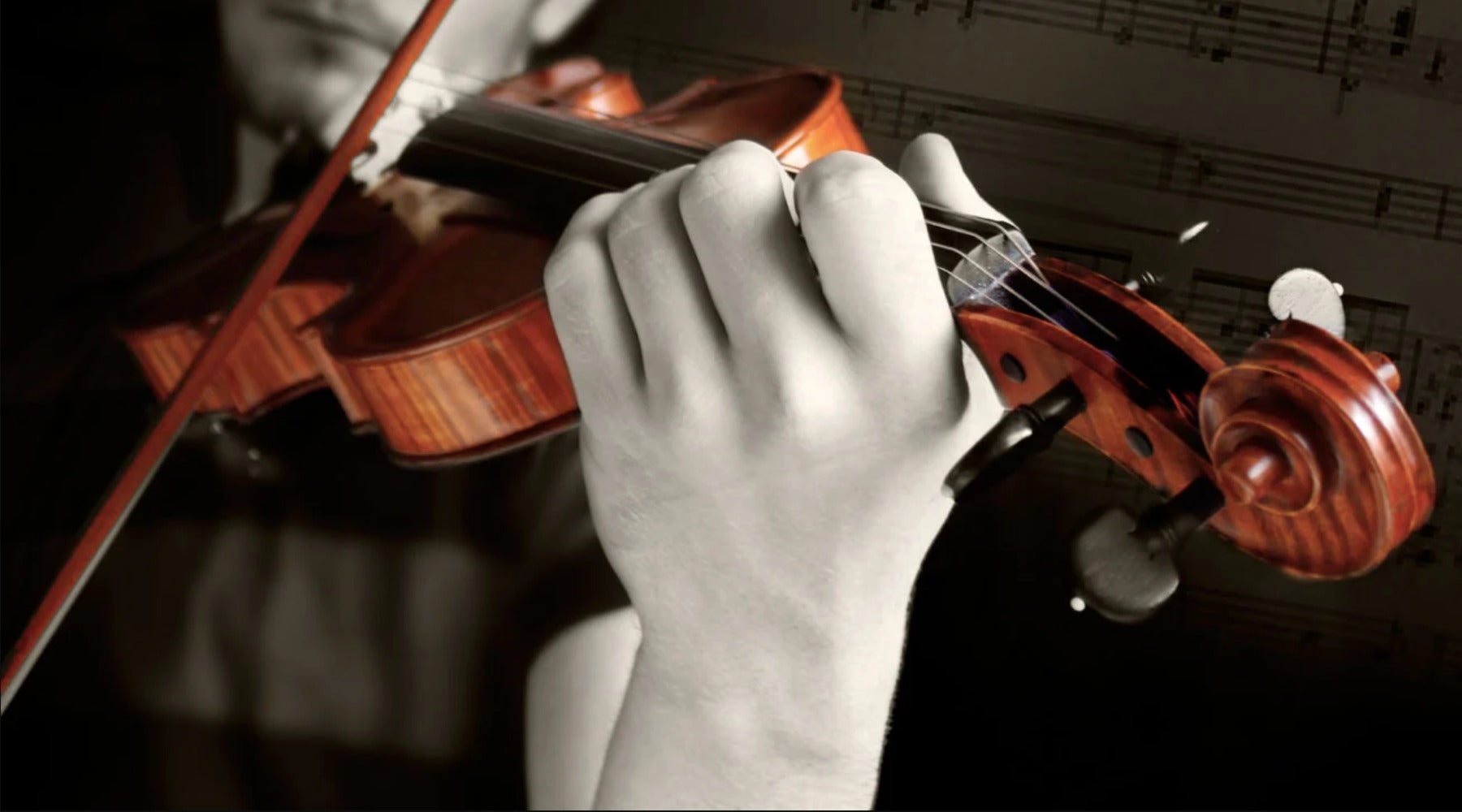
The viola is larger and generally heavier than the violin. Its longer string length creates wider spaces between notes, requiring more reach from the left hand. This can feel challenging for beginners with smaller hands, especially when learning finger patterns or shifting. A properly fitted viola is important because an instrument that is too large can create unnecessary tension and make playing less comfortable.
The viola's thicker strings also require deliberate bow control. A clear sound often depends on using a slower bow stroke, steady contact, and natural arm weight. Beginners may press too hard or move the bow too quickly, creating a scratchy or uneven tone.
Reading music is another major difference. Violinists primarily read treble clef, while violists commonly read alto clef. Because many beginners have never encountered alto clef, they must build a new reading habit rather than relying on familiar note patterns.
These differences do not automatically make the viola harder. The violin often demands quick left-hand agility and precise control on a smaller instrument, while the viola requires more physical adaptation and familiarity with a different clef. The viola's challenges may be more noticeable early on, but they become easier with consistent practice.
The viola also offers a unique reward. Its warm, dark tone occupies a rich middle range between the violin and cello. Many players find its deep, expressive sound especially motivating as they develop greater control.
The Top Challenges of Learning the Viola (and How to Overcome Them)
Beginning violists often face three main challenges: learning alto clef, developing bow control, and adjusting to wider finger spacing. Each can be improved through short, focused practice.
Alto clef: Spend five minutes each day identifying notes on flashcards or in a beginner method book. Start with landmark notes rather than memorizing the entire staff at once. For example, middle C sits on the middle line of the alto clef staff. From there, practice recognizing nearby notes by moving one step at a time.
You can also read a short passage slowly while saying the note names aloud. Begin with simple rhythms so you can focus on recognition. Frequent practice is more effective than trying to learn everything during one long session.
If you have prior experience reading music notation in treble or bass clef, it is important to truly internalize alto clef as a distinct system, rather than simply transposing the notes on the page to a more familiar clef in your head.
Bow control: The viola's thicker strings often need a slower, steadier bow stroke. Beginners sometimes tighten their grip or press down with the fingers to create more sound, but this can produce tension and a scratchy tone.
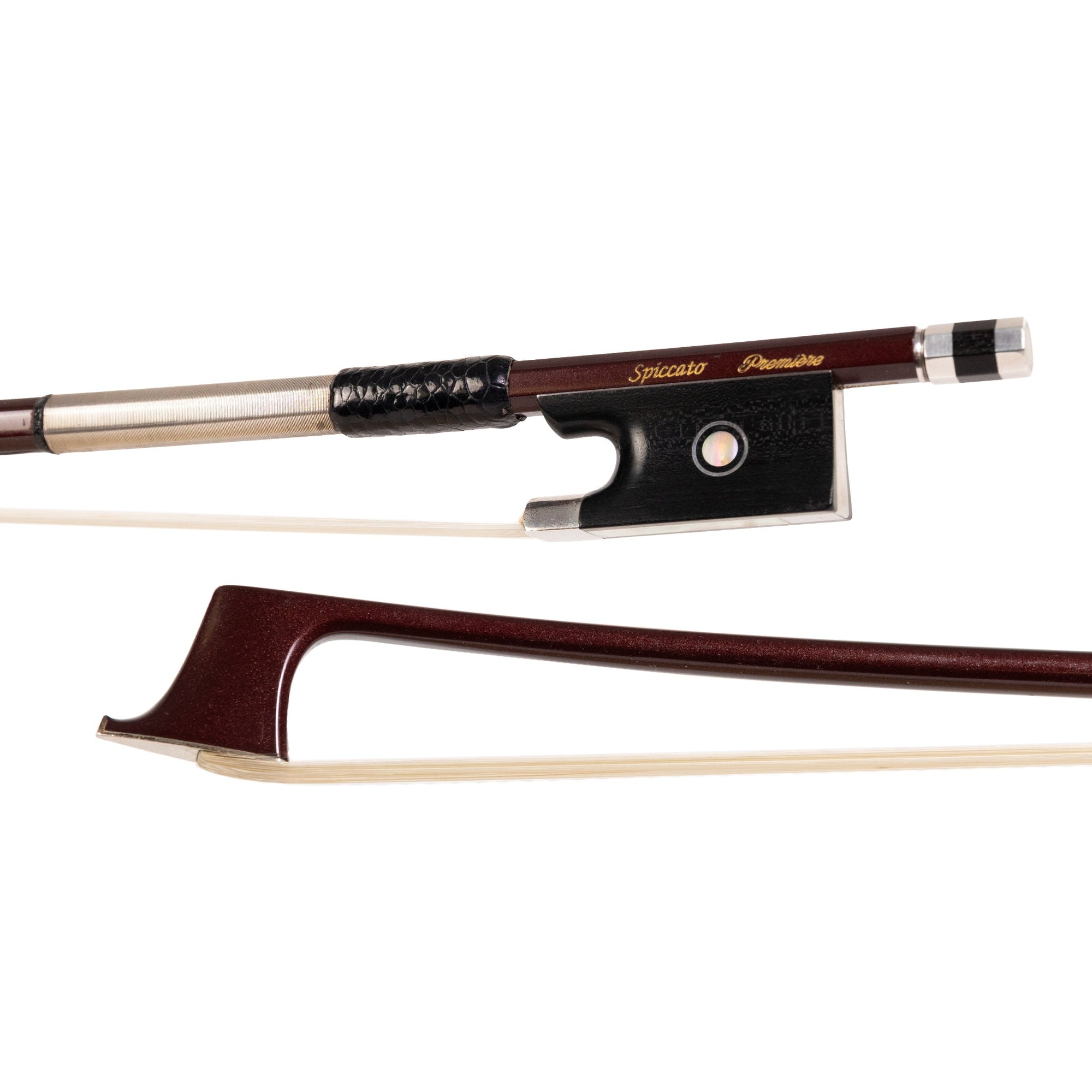
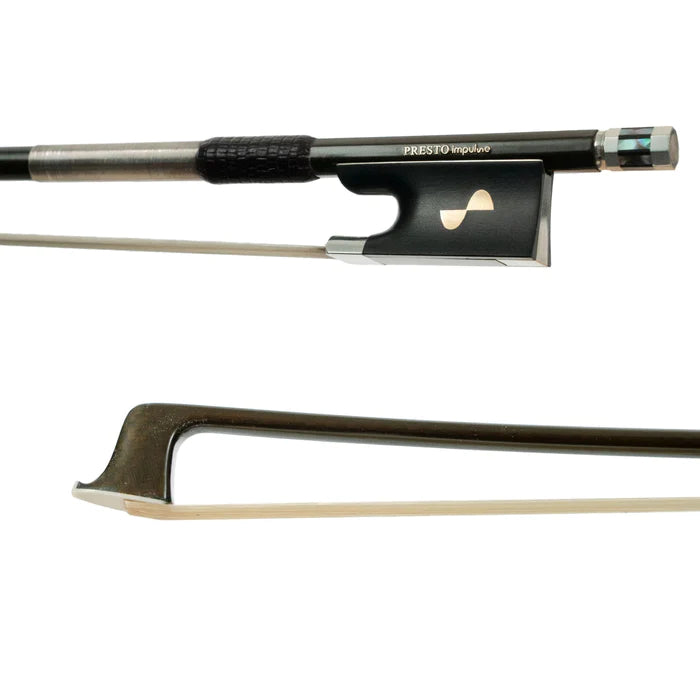
Practice slow open-string strokes while keeping the hand flexible. Allow natural arm weight to transfer through the bow instead of forcing the sound. Dividing the bow into sections and practicing near the frog, middle, and tip can improve control across the full bow.
Left-hand stretching: The wider spacing between notes requires accurate placement without unnecessary tension. Practice simple finger patterns slowly and use a tuner or drone to check pitch. Short daily exercises are often more useful than long sessions that cause fatigue. If playing causes pain, stop and ask a teacher to check your posture, hand position, or instrument size.
Players transitioning from another string instrument may adapt more quickly. Violinists already understand shoulder-held posture and basic bowing but must adjust to wider spacing and alto clef. Cellists may recognize some bowing and tonal concepts but need to adapt to holding the instrument without an endpin.
How Long Does It Take to Learn Viola? A Realistic Timeline
Progress varies, but a realistic timeline can help beginners set expectations. For someone practicing about 20 to 30 minutes a day, four to five days per week, these milestones provide useful reference points.
First 3 months: Beginners usually focus on posture, bow hold, left-hand position, and producing a steady sound on open strings. Many begin simple scales, basic rhythms, and short melodies. The goal is to develop relaxed coordination rather than play advanced music quickly.
Around 6 months: Alto clef often becomes more familiar, and simple pieces with basic rhythms may feel more manageable. Players usually gain confidence crossing strings and using different bow strokes, although accurate intonation still requires close attention.
After 1 year: Consistent learners may be ready for more challenging beginner or early-intermediate music. Some can join a beginner ensemble, adult string group, community music program, or school orchestra. Playing with others can strengthen rhythm, listening, and confidence.
After 2 years: Many consistent players are developing intermediate skills and working on longer or more demanding pieces. Depending on their goals and experience, some may prepare for graded examinations or local ensembles, while others continue building technique through lessons and solo repertoire.
Adult beginners may need time to develop new physical habits, but they often bring focus, patience, and strong self-directed practice skills. Previous musical experience can help with rhythm or reading, but it is not required.
The first few months often require the most patience because posture, tone production, and alto clef are being learned at the same time. Consistent practice is much more valuable than infrequent marathon sessions.
Getting Started: Choosing the Right Viola and Building a Practice Routine
Starting with the right instrument and a realistic practice routine can make learning more comfortable and enjoyable.
Choosing the right size: Viola sizing is not based only on age or height. Arm length, hand size, shoulder comfort, and body proportions all affect which instrument feels manageable. A viola that is too large may strain the shoulder and make certain reaches or shifts difficult. An instrument that is too small may negatively affect comfort and limit the player's sound and technical development.
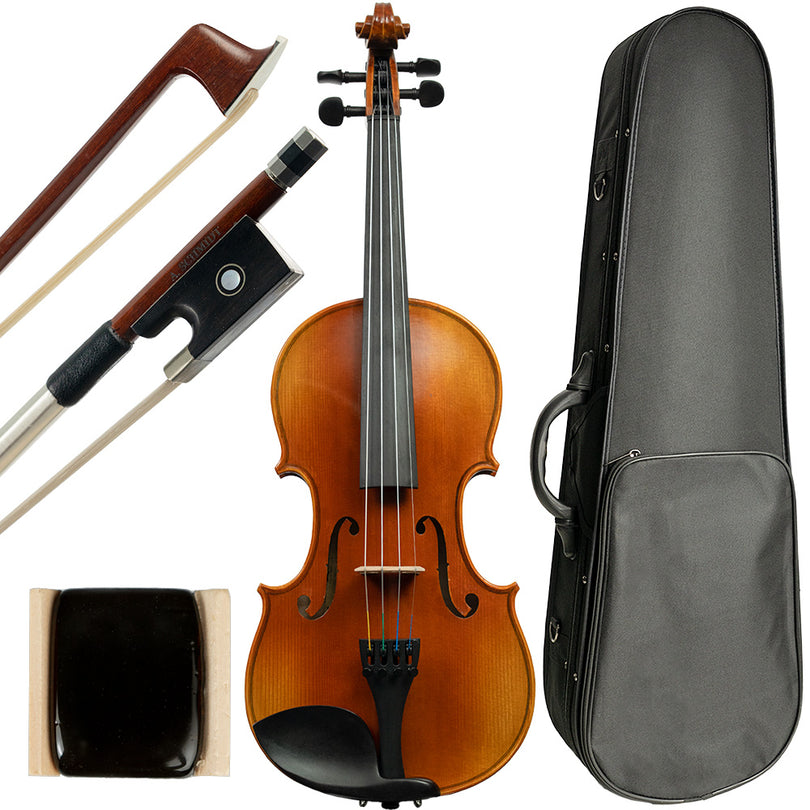
Because viola sizes vary, an in-person fitting is helpful. A qualified teacher or instrument specialist can assess whether the instrument supports comfortable posture and allows the left hand to move without strain. Trying several sizes before buying can help you find a better fit.
Finding a teacher: Dedicated viola teachers may be less common than violin teachers in some areas. Availability and lesson costs can vary by location, experience, and whether instruction is offered online or in person.
Ask local music shops, school orchestra programs, community music organizations, or university music departments for recommendations. Some violin teachers also teach viola, but it is helpful to ask about their experience with viola-specific technique, sizing, alto clef, and repertoire.
A simple practice routine: A beginner can structure a 25- to 30-minute session like this:
- 5 minutes of alto clef reading
- 5 minutes of open strings and technical bow exercises
- 5–10 minutes of left-hand finger patterns or scales
- 10 minutes on a current piece
Consistency is more important than completing a long session. A shorter practice period on a busy day can still support steady progress.
Suzuki vs. non-Suzuki instruction: Suzuki teaching emphasizes listening, imitation, repetition, and learning by ear while gradually developing music-reading skills. This approach can build a strong sense of pitch and musical phrasing.
Other teaching methods often introduce notation and technical exercises earlier, helping students develop independent reading skills from the beginning. Many teachers combine elements of both approaches. The teacher's experience and ability to adapt lessons may matter more than the method's label.
Is Viola Right for You? Motivation and Unique Rewards
The viola's greatest reward for many players is its sound. Its warm, dark register has a depth that many musicians find expressive and personally meaningful. The instrument can blend beautifully in an ensemble while maintaining a distinctive voice.
Learning the viola can also provide a creative outlet and a sense of long-term accomplishment. Adult beginners may enjoy setting aside focused practice time, while ensemble playing can create opportunities for connection and shared musical experiences.
The challenges should not be ignored. Developing a consistent tone takes time because the thicker strings respond best to steady bow speed, balanced weight, and reliable contact. Beginners may feel discouraged when the sound is scratchy or uneven. Viola repertoire is also less familiar to many listeners than violin repertoire, although a great deal of violin music has been transcribed into alto clef for more comfortable playing on the viola.
A helpful mindset is to treat early practice as skill-building rather than performance. Open-string exercises may seem repetitive, but they develop the bow control needed for every future piece. Instead of judging progress by whether a song sounds finished, set one small goal for each week, such as improving a scale, smoothing a bow stroke, or reading a short passage without stopping.
Recording yourself every few weeks can also make progress easier to notice. Daily improvements are often subtle, but recordings can reveal meaningful changes in tone, rhythm, and confidence over time.
The viola does not always provide immediate results, but its rewards grow with consistent effort. Once the instrument begins to respond more naturally, many players find that its rich and expressive sound makes the early learning curve worthwhile.
Ready to Start Your Viola Journey?
The viola's learning curve is real, but so is its reward. Its warm, resonant sound offers a musical voice that many players find deeply expressive and satisfying.
You do not need to make a major commitment immediately to discover whether the viola is right for you. Start with a properly fitted instrument, consider a rental or beginner-friendly option, and work with a qualified teacher who can help you build healthy posture, reliable bow control, and strong reading habits.
Begin with a few short practice sessions each week and focus on steady improvement rather than immediate perfection. With the right instrument, consistent practice, and a patient approach, you can discover whether the viola's distinctive sound is the one you have been looking for.
Shop Beginner Violas Explore Rental Options
Frequently Asked Questions
What is a realistic timeline for learning the viola from scratch?
With consistent practice of about 20 to 30 minutes a day, four to five days per week, many beginners can produce a more stable sound and play simple exercises within the first three months. By around six months, basic pieces and alto clef reading often become more manageable. After one year, some learners are ready for beginner ensembles or more challenging repertoire. Progress varies based on practice consistency, instruction, and prior musical experience.
What makes the viola uniquely challenging compared to other string instruments?
The viola combines several challenges: a larger body, wider left-hand spacing, thicker strings that require deliberate bow control, and alto clef, which is unfamiliar to many beginners. These challenges require physical adaptation and focused practice, but they become more manageable over time.
Is the viola more difficult to learn than the violin?
The viola is different rather than universally harder. Its larger size, wider finger spacing, and use of alto clef can make the early learning stages more demanding. The violin, however, requires precise control on a smaller instrument and often places greater emphasis on quick left-hand agility. The better choice depends on which sound and playing experience appeal to you.
Is it easier to produce a beautiful tone on the viola than on the violin?
Not necessarily. The viola's thicker strings can require more deliberate control of bow speed, weight, and placement. However, many players find its warm, dark sound especially rewarding once they develop a consistent tone.
Can adults learn the viola successfully without prior music experience?
Yes. Adults can learn the viola without previous musical training. Although developing new physical habits may take time, adult learners often bring focus, goal-setting skills, and strong self-directed practice habits. Consistent practice and helpful instruction are more important than starting at a young age.
Do I need a private teacher to learn the viola, or can I teach myself?
It is possible to begin learning through books, videos, and online resources, but private instruction is strongly recommended, especially during the early stages. A teacher can correct posture, bow hold, left-hand position, and other habits before they become difficult to change. Online lessons may be a useful option if a qualified local viola teacher is unavailable.
What are the most common beginner mistakes when learning the viola?
Common mistakes include gripping the bow too tightly, using excessive pressure instead of natural arm weight, practicing with tense posture, trying to memorize all of alto clef at once, and practicing for long periods only occasionally. Short, focused, and consistent practice sessions are generally more effective.