
Learning violin is a long-term skill, but you do not have to wait years before you can begin making music. With consistent practice, many beginners can play simple melodies within several months and perform a complete beginner piece within their first year.
Your progress depends on how often you practice, the quality of your instruction, your goals, and the feedback you receive. This guide provides realistic expectations, from making your first sound to developing more advanced skills.
If you're also wondering whether violin is worth the effort in the first place, our guide on why violin has a reputation for being hard to learn breaks down exactly what makes it challenging—and why so many beginners stick with it anyway.
How Long Does It Take to Learn Violin? A Month-by-Month Reality Check
For a complete beginner practicing consistently for about 15–30 minutes per day, learning violin usually follows a gradual but rewarding path. Although progress varies, these milestones provide a realistic picture of what many beginners can expect:
- Months 1–3: Learn proper violin posture, a basic bow hold, and how to produce sounds on the open strings. Squeaks, scratchy notes, and uneven bow strokes are completely normal.
- Months 3–6: Begin playing simple scales, learning basic note patterns, and performing short melodies or familiar children's songs.
- Months 6–12: With consistent practice and guidance, many beginners can play a complete beginner piece, such as Twinkle, Twinkle, Little Star, from beginning to end.
Developing a smooth tone requires control over bow speed, pressure, and placement. These skills take time to coordinate, so it is normal to play the correct notes before they sound consistently smooth. With regular practice and helpful feedback, many students hear noticeable improvements during their first several months.
The key is consistency. Short, focused practice sessions performed regularly generally lead to steadier progress than occasional marathon sessions.
The Biggest Factors That Speed Up (or Slow Down) Your Progress
Practice time matters, but how you practice—and the feedback you receive—can make an equally important difference. Beginners generally follow one of three learning paths.
One-on-one teacher instruction provides personalized feedback. A teacher can correct posture, bow hold, left-hand position, and physical tension before problems become difficult habits to change. Teachers also provide accountability and can adjust lessons to match a student's goals. The main drawbacks are cost, scheduling, and finding an instructor whose teaching style is a good fit.
Completely self-directed learning is flexible and affordable. Beginners can practice on their own schedules and use books, videos, and apps. However, it can be difficult to identify technical problems without an experienced player watching or knowing what to look for yourself. Issues such as a tense bow arm or shoulder, collapsed left-hand position, or inconsistent bow placement may limit progress if they go unnoticed.
Online violin courses offer a middle ground. Structured lessons provide more organization than learning from random videos while remaining more flexible and often less expensive than weekly private instruction. However, many courses cannot provide the same individualized correction as a teacher unless direct feedback is included.
Age can also affect the learning experience. Children may adapt quickly to unfamiliar physical movements but often need help staying organized. Adults frequently bring stronger self-management skills and clearer goals but may have less free time and more physical tension.
Technology can support every learning path. Tuning apps provide immediate pitch feedback, digital metronomes help develop steady rhythm, and recordings allow students to hear details they may miss while playing.
To improve efficiently, create a weekly practice plan, record practice sessions, and keep a measurable practice log. Tracking specific goals—such as improving one scale or producing a cleaner tone—makes progress easier to recognize.
Violin Milestones: What You'll Actually Achieve from Beginner to Advanced
Violin progress is easier to understand when measured by skills rather than years alone. Time estimates vary, but the following stages provide a practical guide.
Beginner Level: Approximately 1–2 Years
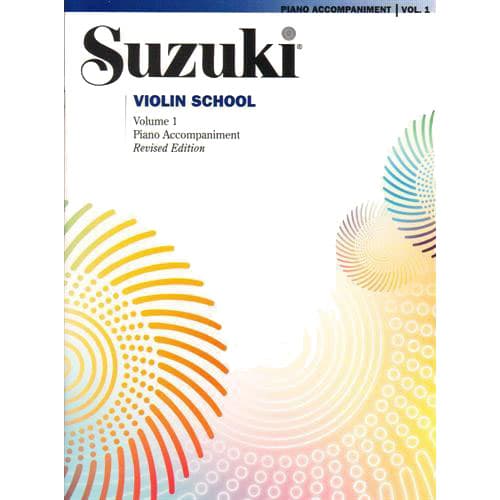
Beginners develop the physical and musical foundations needed to play comfortably. Common milestones include first-position scales, basic music reading, simple double stops, and repertoire such as selections from Suzuki Violin School, Volume 1.
A double stop means playing two strings at the same time. Many students perform their first short solo recital during this stage after learning several pieces and becoming comfortable playing in front of others. Some perform within their first year, while others take longer depending on their goals and opportunities.
Intermediate Level: Approximately 3–5 Years
Intermediate players typically develop more reliable tone, rhythm, intonation, and musical expression. They may begin learning vibrato, a controlled rocking movement of the left hand that adds warmth and expression to a sustained note.
Students may also shift into third position. Shifting means moving the left hand to a new location on the fingerboard to reach higher notes. Repertoire may include pieces such as Vivaldi's Concerto in A Minor.
Many players become ready to join a school, youth, or community orchestra during this period. Requirements vary, but the ability to read music, follow a conductor, maintain a steady rhythm, and play accurately with others is often more important than the number of years played.
Advanced Level: Approximately 5–8+ Years
Advanced violinists develop greater technical control, musical independence, and the ability to perform demanding repertoire. This may include challenging works by Bach and Paganini, as well as complex orchestral parts.
Bach's solo violin works and Paganini's Caprices vary considerably in difficulty and may require many years of focused study. Progress depends not only on practice time but also on instruction, technical development, and repertoire.
Structured systems such as RCM and ABRSM provide useful benchmarks through graded repertoire, technical exercises, scales, and performance standards. However, they are not exact timelines, and students at the same grade may have different strengths.
Learning Violin as an Adult: It's Never Too Late (and Here's Why)
Is 25 too old to start learning violin? Absolutely not. Adults begin learning violin at many ages, and starting later does not prevent you from becoming a capable and expressive player.
Adult learners bring several advantages, including stronger discipline, clearer goals, and the ability to organize their own practice. Many also have the financial independence to invest in a quality instrument, lessons, and helpful resources.
Adults may face challenges such as limited free time and physical tension in the shoulders, neck, hands, or arms. Some movements may feel unfamiliar at first, but careful instruction, good posture, and gradual practice can improve comfort and coordination.
Adults also remain capable of developing new skills through consistent practice. Learning violin engages listening, movement, memory, and attention, and regular training can strengthen the coordination between these abilities.
Maintaining motivation is often more important than trying to progress as quickly as possible. Set small, measurable goals, such as learning one scale, improving a difficult rhythm, or playing a short melody without stopping. Recording yourself once a month can also make progress easier to hear when day-to-day improvements feel subtle.
Many adult beginners can play simple melodies within 6–12 months. Becoming a confident community orchestra player may take approximately 3–5 years, depending on practice consistency, instruction, music-reading ability, and the ensemble's requirements.
Joining an adult community orchestra can provide structure, encouragement, and a sense of connection. Playing with others also gives students a practical reason to keep improving.
The Real Investment: Costs, Gear, and Smart Resources for the U.S. Learner
Learning violin requires both a time commitment and a financial investment. Planning for an instrument, accessories, lessons, and learning tools can help beginners choose an approach that fits their budget.
A beginner violin may cost approximately $100–$500 to purchase, but the lowest-priced instruments are not always the best value. Extremely inexpensive instruments are sometimes called VSOs, or "violin-shaped objects." They may have poor setup, difficult-to-use tuning pegs, uncomfortable string height, or weak sound quality. A poorly adjusted instrument can make learning more frustrating than it needs to be.
For many beginners, renting is a practical alternative. A reputable rental program can provide a properly set-up instrument and allow students to change sizes or upgrade as they progress. Shar Music offers rental options designed for beginning string players, helping students start with an instrument that is comfortable and ready to play.
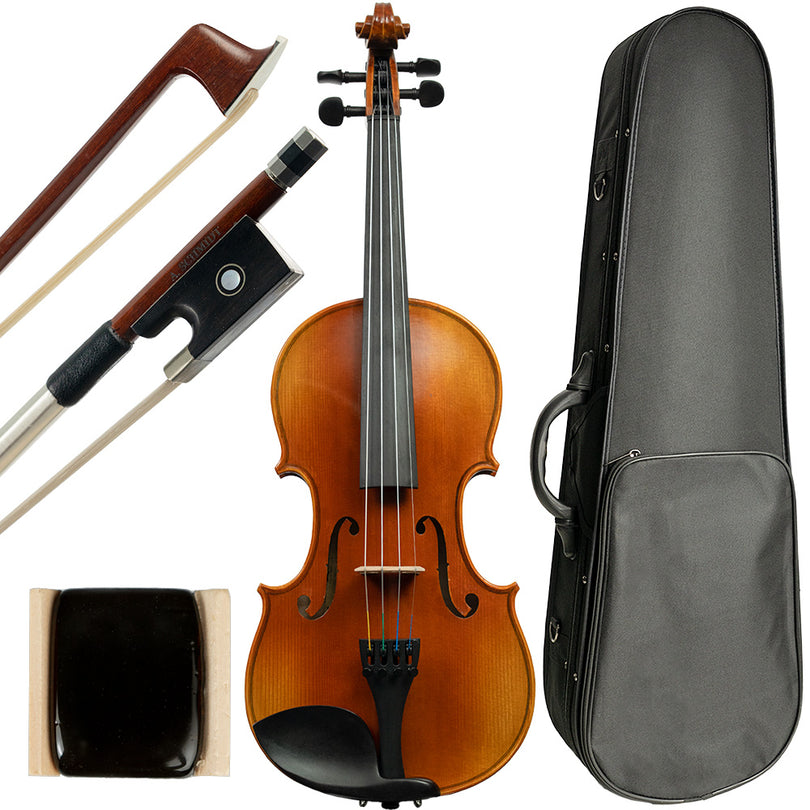
Essential accessories include a bow, rosin, a shoulder rest, and a protective case. Some beginner outfits and rental packages include several of these items, so check what is included before buying accessories separately.
Private violin lessons in the United States commonly cost approximately $30–$80 per hour, depending on location, lesson length, and the instructor's experience. Online platforms such as Trala and ArtistWorks may cost less than regular private lessons and provide structured learning at a flexible pace. However, students learning primarily online may still benefit from occasional one-on-one feedback.
Free technology tools can also support efficient practice. A tuning app helps students check pitch, a digital metronome develops steady rhythm, and a phone recording app allows students to review their sound and technique. These tools cannot replace expert instruction, but they can make self-learning more focused.
Smart investments can make learning more enjoyable and sustainable. A comfortable, properly set-up instrument and a realistic practice routine can help beginners stay motivated long enough to experience meaningful progress.
Ready to Start? The Best Time to Begin Is Now
Learning violin is a journey, but you do not have to wait years to experience the satisfaction of playing music. With consistent practice, helpful feedback, and realistic goals, many beginners can begin playing simple melodies within their first year.
Choose the starting point that works best for you. You might book a trial lesson with a local teacher, explore a free introductory lesson through an online violin course, or download a beginner-friendly weekly practice plan to create structure at home.
Starting with a properly fitted, professionally set-up violin can also make learning more comfortable and enjoyable. If you are not ready to purchase an instrument, a quality rental can provide a practical way to begin without a large upfront commitment.
The best time to start is now. Take the first step, focus on steady progress rather than perfection, and enjoy each new skill you learn along the way.
Shop Beginner Violins Explore Rental Options
Frequently Asked Questions
How many years does it take to learn violin from scratch?
Most beginners spend approximately 1–2 years developing core skills such as proper posture, bow control, first-position scales, and basic repertoire. Reaching an intermediate level often takes around 3–5 years of steady practice, while advanced playing may require 5–8+ years or longer. The timeline depends on practice consistency, instruction, and personal goals.
Is 25 too late to start learning violin?
No. 25 is not too late to learn violin. Adult learners often bring strong discipline, clear goals, and the ability to organize their own practice. While adults may have less free time or experience more physical tension, consistent practice and good instruction can lead to meaningful progress at any age.
How long until I can play a simple song on the violin?
With consistent practice of approximately 15–30 minutes per day, many beginners can play short melodies within several months and complete a simple beginner piece within 6–12 months. Playing the notes may happen sooner than producing a smooth, confident, and musical performance.
How much daily practice is needed to make real progress on the violin?
For beginners, 15–30 minutes of focused practice per day can produce meaningful progress. Regular, shorter sessions are often more effective than infrequent, lengthy sessions because they provide frequent opportunities to reinforce technique, rhythm, and listening skills.
Can I learn violin by myself, or do I need a teacher?
You can begin learning violin independently using books, videos, apps, or online courses. However, a teacher can identify posture, hand-position, and bowing problems before they become difficult habits to change. Many self-directed learners benefit from occasional private lessons or feedback, even if they do not take weekly lessons.
What skills mark the shift from a beginner to an intermediate violinist?
Intermediate players generally demonstrate more reliable intonation, stronger tone control, confident music reading, and greater musical expression. They may begin using vibrato, shifting into third position, playing more complex repertoire, and performing successfully with an ensemble or orchestra.
How much does it cost to start learning violin in the United States?
A beginner violin may cost approximately $100–$500 to purchase, while renting can reduce the upfront cost and provide flexibility as a student grows. You may also need a bow, rosin, shoulder rest, and case, although some beginner outfits and rental packages include these accessories. Private lessons commonly cost approximately $30–$80 per hour, while online courses may provide a lower-cost alternative.