


When your child starts violin, viola, cello, or bass lessons, it's an exciting time. However, as the initial thrill fades or new challenges arise, that excitement can begin to fade. That's completely normal, and certainly avoidable with the right encouragement and support.
Long before technique or repertoire, Dr. Shinichi Suzuki reminded us that the heart comes first. In his book Nurtured by Love, he outlined a philosophy of music education that shapes not just musicians, but people:
-
Talent Is Not Inborn — It Is Created
“Man is the son of his environment.” Every child has potential when surrounded by encouragement, beauty, and love. Just as all children learn to speak their native language, so too can they learn music. -
The Power of Environment
“We must raise children who are capable of feeling the joy of life.” Daily listening, repetition, and a music-filled home cultivate sensitivity. What children hear and experience every day becomes who they are. -
Education of the Heart
“Beautiful tone, beautiful heart.” The purpose of music study is not only technical mastery but the nurturing of kindness, patience, and self-discipline. -
The Mother-Tongue Method
“Children learn to speak before they learn to read.” Music follows the same path: immersion, imitation, and encouragement—not pressure—create fluency. -
Love as the Foundation
“Character first, ability second.” Children blossom when nurtured with patience and trust. A teacher’s and parent’s role is to support, never shame. -
A Lifelong Journey
“Music exists for the purpose of growing an admirable heart.” Suzuki believed it’s never too late to nurture talent or cultivate sensitivity to beauty and music.
At its core, Suzuki’s message is simple: any child can learn. Love and encouragement unlock potential, and music becomes a means of shaping noble hearts.
Now, let's look at ways to help your child feel inspired as a parent or teacher.
✅ 1. Be Their Biggest Cheerleader
Children thrive when they feel seen and celebrated.
-
Celebrate the small wins - a new note, a polished piece, or showing up to lessons consistently.
-
Ask them to "teach" you something they learned in their lesson.
-
Share how proud you are of their effort, not just the result.
Shar Tip: Snap a photo after each milestone and create a "musical journey" album to look back on when motivation dips. If your child is okay with it, even take a little video of their playing!
🏡 2. Build a Cozy, Dedicated Practice Space
A consistent environment helps establish good habits and keeps practice feeling special, yet focused.
-
Choose a quiet, clutter-free space with good lighting.
-
Keep the instrument easily accessible in its case (not hidden in a closet).
-
Use a small stand or box to display their practice schedule, stickers, or notes of encouragement.
Shar Tip: Let your child help design the space with decorations or music-themed art.
🎯 3. Focus on Progress, Not Perfection
Young musicians can be discouraged if they don't "sound good" right away. Normalize the learning process.
-
Remind them that every great player once squeaked their first note.
-
Instead of "Did you practice?", try "What did you enjoy playing today?"
-
Celebrate effort and consistency more than polished performance.
Remember: practice doesn't make perfect, practice makes permanent. One of the most important practice's to make permanent is a healthy relationship with practicing and setting appropriate expectations for progress.
🧠 4. Give Your Child Choices
Empowerment fuels motivation.
-
Let them choose which piece to practice first.
-
Offer them a say in whether they use a shoulder rest or a different bow grip.
-
Encourage exploration - like improvising a tune or making up a title for what they just played.
Shar Tip: You don't have to be a musician yourself to support autonomy. Just ask open-ended questions like, "What did your teacher ask you to try this week?"
🗣️ 5. Communicate and Adapt
If your child starts resisting lessons or practice, there may be an underlying reason.
-
Are they feeling stuck on a piece? Overwhelmed? Bored?
-
Talk to their teacher about pacing, goals, or switching up the routine.
-
Consider switching to a different method or even a new teacher if the connection isn't working.
🎮 6. Make Practice Playful
Turn practice time into something they look forward to.
-
Create a practice "menu" with fun activities: scales scavenger hunt, tone challenge, bow race, etc.
-
Schedule occasional mini concerts at home - even for just one audience member.
-
Use musical games and apps that reinforce rhythm and note reading.
Shar Tip: Make it fun by having a "Music and Muffins" morning where they perform one song before breakfast on Saturdays. You can come up with your own version of this to keep your child excited, and also let them show off to you!
🤝 7. Encourage Musical Friendships
Music becomes more fun when it's social.
-
Enroll them in a group class, ensemble, or music camp.
-
Invite a friend over for a musical playdate - even if they play different instruments.
-
Watch performances together of child musicians to spark inspiration.
Shar Tip: Talk with your child’s teacher about group opportunities, local ensembles, or community programs. Having friends to share the journey with makes practice feel less like “work” and more like a shared adventure.
📈 8. Help Them See Their Growth
Progress can be slow and hard to recognize, especially for beginners.
-
Create a "piece tracker" or sticker chart to show songs they've completed.
-
Record short videos every few months to showcase improvement.
-
Reflect together on how far they've come since Day 1.
🎻 9. Link Lessons to Lifelong Skills
Help your child understand that music teaches more than notes.
-
Talk about how practicing builds patience, focus, and perseverance.
-
Highlight how music connects us with others and emotions.
-
Let them know that sticking with it now makes all the difference later - for school, friendships, and future passions.
💬 10. Most of All - Keep It Positive
The goal isn't perfection or competition. It's to help your child develop a lifelong relationship with music - one full of joy, curiosity, and pride.
🧡 Shar Music Is Here to Help
At Shar Music, we offer:
-
🎻 Expertly set-up student instruments that are easy and fun to play
-
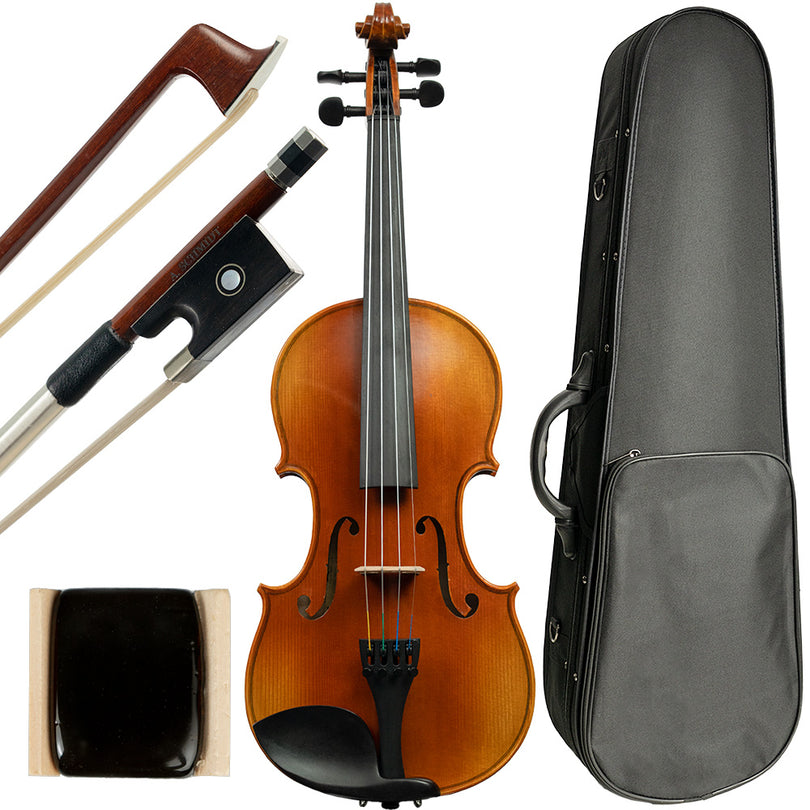
📦 Beginner kits with everything needed to succeed
-
📚 Practice tools, music books, and accessories for all ages
-
🎶 Access to teacher resources and youth programs
-
🛠 Ongoing support from real musicians who care
📌 Final Thought
Your child's musical journey isn't just about learning an instrument - it's about discovering their voice, developing confidence, and building resilience. With your support and a few small tweaks, you can help them not only stay in lessons - but love them.
At Shar Music, we know the right tools make all the difference. From the very first lesson to advanced ensembles, having a quality, well set up instrument helps your child feel confident and excited to play. That's why we carry everything you need to start strong and keep the music going:
-
🎻 Student Instruments - violin, viola, cello, and bass, expertly adjusted and ready to play
-
📚 Method Books & Practice Tools - resources teachers recommend to build skills and confidence
-
🛠 Accessories - strings, rosin, shoulder rests, stands, and more to make practice smoother
-
💡 Expert Guidance - our team of musicians is always here to answer questions and guide you
👉 Explore our wide selection today and find the perfect fit for your child at Shar Music