



Learning a bowed string instrument like the violin, viola, cello, or bass is both a rewarding and complex journey. Whether you're a parent helping a young learner, a music educator building foundational habits, or an adult beginner, it's essential to start off on the right foot.
At Shar Music, we've seen how small missteps - if unchecked - can lead to frustration, poor sound quality, or even injury. That's why we've created this guide: to help you avoid the most common beginner mistakes and build strong musical habits from day one.
Before we get to the common mistakes, lets look at some exercises that help. Many great teachers (including Suzuki, D.C. Dounis, Carl Flesch, and Leopold Auer) stressed the fundamental value of open-string work.
🎻 Practical Exercises That Help:
• Long bows: 20–30 seconds per bow, each string, full length.
• Dynamics: pp → ff and back, while maintaining clarity.
• Contact point drills: Near fingerboard vs near bridge.
• Tone color experiments: Warm/dark vs bright/focused sound.
• Breathe with each bow.
• Focus on the sound, not the mechanics.
• The goal isn’t volume or speed — it’s beauty and resonance.
Even 5 minutes daily will sharpen your ear, reset your bow technique, and deepen your tone quality. Professionals often use this as a warm-up before diving into scales or repertoire.
Now, let's look at some common mistakes and how to correct them.
🎻 1. Using Too Much or Too Little Rosin
The Mistake:
Rosin is essential for producing sound, but beginners often swing to extremes. Some forget to use it, leaving the bow slipping across the strings with only a faint whisper of tone. Others overdo it, caking on rosin until the sound becomes harsh, the dust clouds up, and sticky buildup threatens the varnish of the instrument. The key is balance—just a few even strokes across the bow hair is usually all that’s needed for a warm, focused sound.
What Happens:
-
Too little rosin: The bow slides on the string, giving an airy, unfocused sound.
-
Too much rosin: Creates a scratchy tone, leaves heavy dust on the instrument, and can damage varnish over time.
-
New rosin on new hair: Fresh hair and a brand-new rosin cake can be stubborn. The slick surface of new rosin doesn’t easily grip bow hair, so “priming” is necessary.
Shar Music Tip:
-
To start a new rosin cake, lightly scratch the surface with a key or coin—this breaks the glaze and makes it easier for the rosin to transfer to the hair.
-
New bows arrive with unrosined hair. Our in-store team pre-rosins student bows or teaches you how to apply the right amount for a clean, reliable tone.
-
To check how much rosin is on your bow: gently draw your clean, dry thumbnail across the hair. A healthy amount leaves a visible white band. A faint line means too little rosin, and no mark means no rosin at all.
-
Always use a quality rosin, like D'Addario's Light Rosin with Guard, and wipe down your strings with a cloth (Shar Music Microfiber Cleaning Cloth) after each session to keep buildup in check.
🧰 2. Not Loosening or Tightening the Bow Correctly
The Mistake:
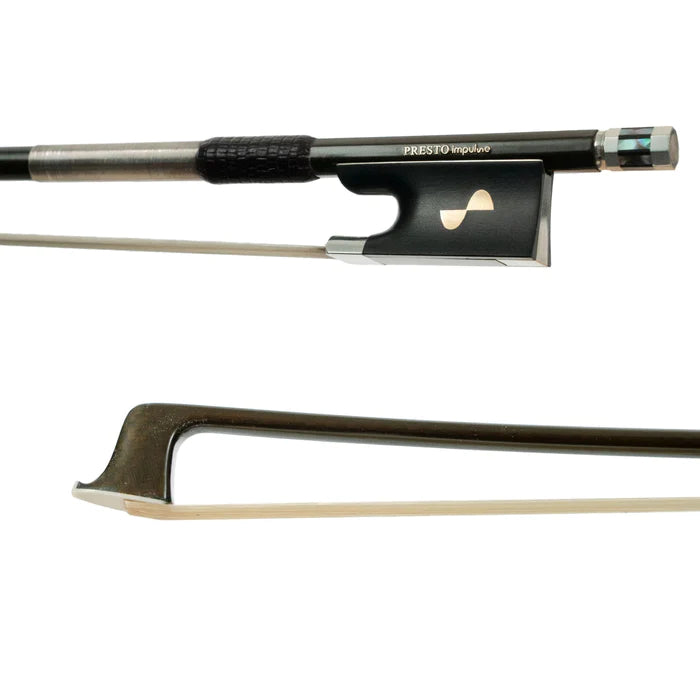
A bow is more delicate than it looks. Many beginners either crank the screw too tight or barely tighten it at all. Both habits can shorten the life of the bow and make playing much harder and more expensive than it needs to be.
Why It Matters:
-
Too tight: Pulling the hair too far puts constant stress on the stick. Over time, the wood can warp—or in extreme cases, snap.
-
Too loose: If the hair is slack, the bow won’t grip the strings properly. You’ll lose sound control, and the stick may even bump against the strings while playing.
Shar Music Tip:
-
For violin and viola bows, a common rule of thumb is to tighten until there’s about a pencil’s width of space between the stick and the hair at the middle.
-
For all bows (including cello and bass), a universal guideline is this: the hair should be tight enough so the stick doesn’t touch the strings when you apply light pressure in playing position, but not so tight that the stick straightens out and loses its natural concave “U” shape.
-
Always loosen the hair when you’re done playing. Leaving the bow tight overnight is like leaving a rubber band stretched—it eventually won’t spring back the way it should.
🪛 3. Poor Instrument Setup or Factory Assembly
The Mistake:
It's tempting to grab the least expensive violin or cello you can find online, but many of those instruments come straight from the factory with little or no professional setup. On the surface they may look fine, but the details - like bridge height, peg fitting, or even the bow quality - make a world of difference in how the instrument plays.
What Goes Wrong:
-
Poor string height or uneven bridge: Strings that sit too high are painful on the fingers, while a crooked or poorly cut bridge makes clean bowing nearly impossible.
-
Pegs that slip: If the pegs aren't properly fitted, you'll spend more time tuning than actually playing.
-
Cheap bows: Low-quality bows often warp, break easily, or come with hair that doesn't grab the string -making even a good instrument sound dull.
Shar Music Solution:
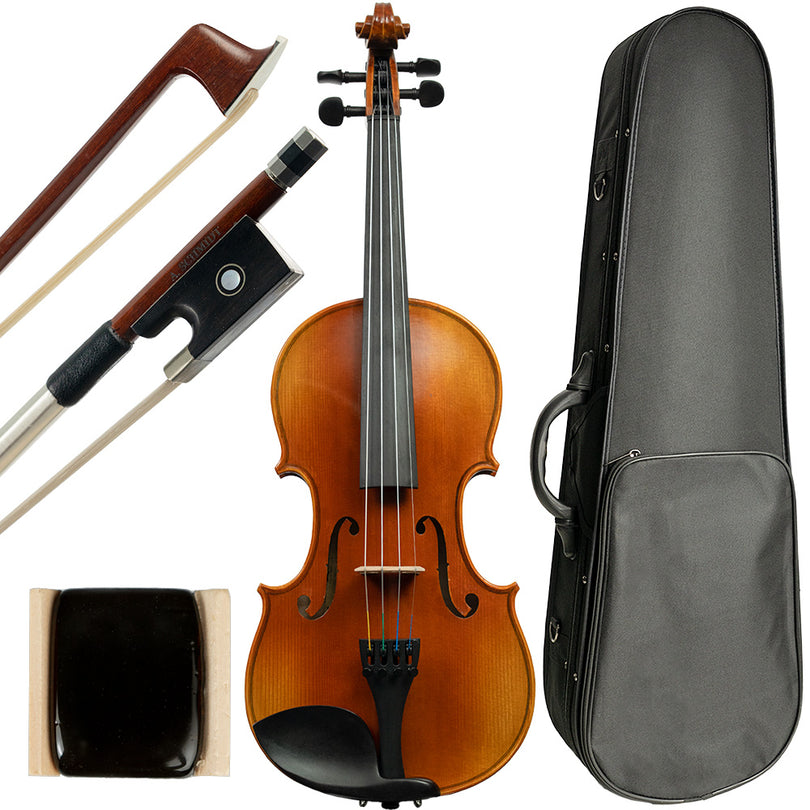
At Shar, every instrument is given a full professional setup by our luthiers before it leaves the shop. That means the string height is carefully adjusted, the bridge is cut and fitted correctly, the pegs are installed so they hold tune with ease, and we pair each instrument with a quality bow. Whether it's a Franz Hoffmann Violin for a first lesson or a Carlo Lamberti Cello for advancing students, you'll know the instrument is set up to play beautifully from day one.
🎒 4. Using the Wrong Size Instrument
The Mistake:
Starting out on the wrong size violin, viola, cello, or bass is more common than you'd think - especially with kids who are still growing. Sometimes families pick whatever size is available, or assume "bigger is better" so the child can grow into it. Unfortunately, the wrong size instrument can do more harm than good.
Why It Matters:
Playing an instrument that doesn't fit the player's body sets them up for frustration and bad habits.
-
Too large: The student has to stretch uncomfortably, which can lead to tense shoulders, poor posture, and even wrist or back pain. Reaching notes becomes a struggle, and accuracy suffers.
-
Too small: While less common, a too-small instrument can also cause problems-like cramped hands, unnatural technique, and limited sound quality.
-
Long-term impact: Beyond making practice frustrating, the wrong size can cause fatigue and, for younger learners, even contribute to repetitive strain injuries over time.
Shar Music Tip:
Getting the size right is one of the most important first steps in a student's musical journey. That's why we provide detailed size guides. In addition, our Shar Rental Program makes upgrading simple and affordable. When your child outgrows an instrument, we'll help you trade up seamlessly - no stress, no big expense. That way, they always have a comfortable, properly sized instrument that makes playing easier, healthier, and more fun.
🧍 5. Poor Posture and Left-Hand Technique
The Mistake:
Beginners often collapse their wrists, clench their necks, or slouch-leading to long-term tension or pain.
Signs of Trouble:
-
"Pancake wrist" (collapsed left hand)
-
Raised left shoulder
-
Bent back
-
Bow arm too rigid or tense
Shar Music Tip:
Teachers and parents can encourage regular posture checks during practice. A mirror or a quick side-profile video is often enough to spot trouble before it becomes routine. Using the right chinrest or shoulder rest (fitted to the individual) can also reduce tension and help students feel more comfortable when they play.
💡 Tip for Teachers: Encourage students to take video of their playing side-profile to check posture between lessons.
🔥 6. No Warm-Up or Stretching Before Playing
The Mistake:
Jumping straight into scales or songs with cold muscles leads to tension and poor form.
Why It's Harmful:
Playing a bowed string instrument uses fine motor control and core engagement. Without warm-ups, tension creeps in, limiting mobility and tone quality.
Shar Music Tip:
Spend 3-5 minutes doing gentle arm circles, shoulder rolls, and finger stretches before picking up your instrument. We've created free warm-up videos you can access in our Learning Center (coming soon).
🪵 7. Pressing the Bow Too Hard
The Mistake:
Trying to amplify the sound of the instrument by digging in with excess bow pressure instead of varying bow speed, placement, and arm weight.
Common Results:
-
Squeaky or crunchy tone
-
Loss of string vibration
-
Frayed or snapped bow hair
Shar Music Tip:
Think “weight” rather than “pressure.” Let the natural weight of your arm and bow do the work, while experimenting with speed and contact point to find a clear, ringing sound. Practicing long, slow bows on open strings is a simple way to feel the balance between too light and too heavy.
🎼 8. Neglecting Rhythmic and Pitch Accuracy
The Mistake:
Focusing solely on sound without learning to count or place fingers precisely.
Why It's Limiting:
-
You might memorize pieces incorrectly
-
Playing with others becomes difficult
-
You hit a "plateau" quickly
Shar Music Tip:
Shar Music recommends the Essential Elements or Suzuki Method books for structured, progressive learning. We also support teachers with rhythm flashcards, practice aids, and tuner/metronome bundles to reinforce skills at home.
⏳ 9. Over-Practicing Without Breaks
The Mistake:
Long, unfocused practice leads to burnout, poor retention, and even injury.
Ideal Approach:
-
10-15 minute focused segments
-
Stretch or reset posture between sessions
-
Avoid overuse of one bow stroke or hand motion
Shar Music Tip:
Keep practice balanced: play for about 20 minutes, then take a short 5-minute break. A quick pause helps your body reset and gives your mind time to absorb what you’ve worked on. Using a simple timer or practice planner can help make those breaks a habit.
🎯 10. Trying to Master Everything at Once
The Mistake:
New players often overwhelm themselves by attempting to learn posture, fingerings, reading music, tone, and rhythm all at once.
What Happens:
Progress slows, frustration builds, and many give up.
Shar Music Tip:
Think of learning an instrument like building a house. You don’t put the roof on before you’ve poured the foundation. Focus first on posture and tone, then layer in rhythm, and only after that ease into note reading. One step at a time keeps practice manageable and far more rewarding.
📌 Final Thoughts: Start Strong, Stay Inspired
Avoiding these 10 beginner mistakes lays a strong foundation for musical joy, confidence, and community. Whether you're just starting or guiding someone who is, Shar Music is your trusted partner.


