

A new year is a natural moment to start something meaningful, and for many families that means learning an instrument in 2026. Whether the goal is school orchestra, private lessons, or discovering a musical hobby, starting with the right instrument matters more than people expect.
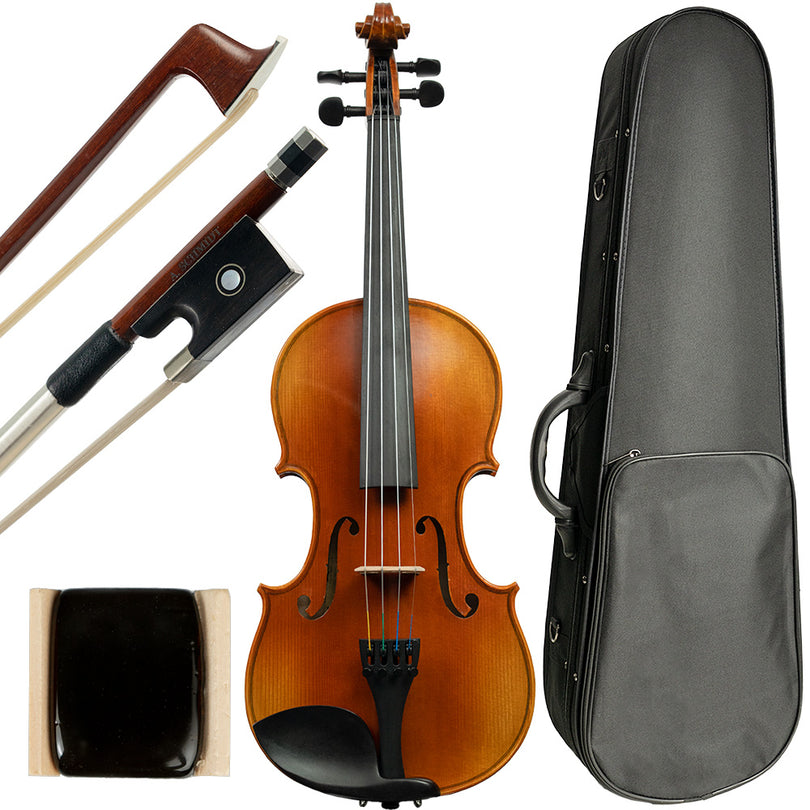
At Shar Music®, bowed string instruments are the foundation of what we do. Beginner outfits like the Franz Hoffmann™ Amadeus and Prelude violins, violas, cellos, and basses are properly sized and set up. Much like a piano builds music theory or a ukulele offers portability, the right string instrument should fit your space, budget, and goals. Looking for a mid-range instrument but don't want to break your budget? Renting is great before committing to a quality, mid-range option that supports long-term goals. Check out the details below!
1. Choose an Instrument That Fits Your Musical Personality
When people search for how to choose a student violin or cello, they are usually asking more than one question. They want to know what sounds good, what feels comfortable, and what gives them the best chance of sticking with it.
Violin vs. Viola for Beginners
Which beginner violin is best for a 7-year-old?
A properly sized student violin, typically a 1/2 or 3/4 size depending on arm length, with a professional setup. Playability matters more than brand names or glossy finishes. A well-set-up violin gives quick feedback, helps students hear progress early, and builds confidence from the start.
Is viola harder to learn than violin?
No. The fundamentals are the same. The viola simply produces a warmer, deeper sound and is slightly larger. It suits students who prefer richness over brightness and enjoy harmony rather than carrying the melody.
Is It Too Hard to Learn Cello?
No. The cello is physically intuitive, played seated, and closely aligned with the human vocal range. Many beginners experience early success because posture and tone production feel natural. When properly sized and set up, cellos are very approachable, even for younger players.
Is the double bass too big for beginners?
Not at all. Student-sized basses make learning manageable. The instrument is ideal for students drawn to rhythm and structure, and bass players are consistently in demand across orchestra, jazz, and modern music.
Choosing the right instrument is less about age or trends and more about personality. When the sound and role match the player, everything clicks. And practice stops feeling like a chore and starts feeling like progress.
2. Teacher Recommended Student Instruments and Bows
Teachers consistently emphasize the importance of starting with reliable equipment. Teacher recommended student violins and other instruments share a few key traits: consistent tone, comfortable setup, and durability.
One major advantage of Shar Music® is its on-site workshop in Ann Arbor, Michigan. Every beginner instrument is professionally set up before it ever reaches a student’s hands. That includes precise bridge fitting for proper string height and response, peg lubrication to ensure smooth and reliable tuning, and careful soundpost adjustment to balance tone and projection. This level of hands-on preparation is not cosmetic, it directly affects playability, tuning stability, and early success. For beginners, a properly set up instrument is often the difference between steady progress and unnecessary frustration.
Shar Music’s most trusted beginner options include:
Beginner Violin Instruments & Bows
Beginner Viola Instruments & Bows
Beginner Cello Instruments & Bows
Beginner Bass Instruments & Bows
These are teacher recommended violin brands and student models chosen for consistency and ease of learning, not shortcuts.
3. Proper Fit Matters More Than Price
Incorrect sizing is one of the fastest ways to create frustration. A well-fitted instrument improves tone, posture, and confidence.
-
A proper violin sizing guide measures arm length.
-
Viola sizing depends on arm length and comfort.
-
Cellos and basses are sized by hand span and overall height.
Choosing the correct size helps prevent strain and supports healthy technique from the beginning.
|
Violin Size Guide |
Viola Size Guide |
|
|
|
|
Cell Size Guide |
|
4. Buying vs Renting Instruments for Beginners
One of the biggest decisions families face is buying vs renting instruments.
If you are wondering how much does a beginner violin cost, the answer depends on quality and setup. Entry-level student violins typically cost less than repairing a poorly made instrument later. For cellos, families often ask about the cost of beginner cello rental, which is where renting becomes especially practical.
For families just beginning orchestra, renting is often the right first step. When commitment is still uncertain, Shar rePLAY® provides a low-risk way to get started without sacrificing quality.
Shar rePLAY® is ideal when:
-
A student is brand new to orchestra
-
You are testing interest or physical comfort
-
Size changes are likely in the first year
-
You want the lowest upfront cost
With Shar rePLAY®, monthly payments are manageable, instruments are professionally set up, and free size exchanges are included as students grow. You are not locked into a large purchase before knowing whether lessons will stick. For the first 6–12 months, renting through Shar rePLAY® is often the most practical choice.
When the Math Starts to Change
Once a student continues beyond the first year, the financial picture shifts.
By month 24:
-
Traditional renting can cost $520–$820*, with no ownership.
-
Shar rePLAY® violins reach ownership at approximately $264*.
-
Buying a Franz Hoffmann Amadeus Violin Starter Kit costs about $299.99*, with ownership from day one.
At this point, renting no longer provides meaningful savings, it simply postpones ownership.
Renting works well for short-term or uncertain commitments, such as trying orchestra for a semester. However, if a student sticks with it beyond a year, the numbers usually favor buying a quality beginner outfit like a Franz Hoffmann violin.
The Practical Takeaway
Start with Shar rePLAY® if you need flexibility and lower upfront cost. It removes risk and keeps options open. But once commitment is clear and the timeline stretches to two years or more, purchasing a well-made beginner outfit becomes the smarter economic choice.
Matching the instrument decision to the student’s timeline is what saves families money in the long run.
5. Pay Attention to Materials and Build Quality
Good construction matters, even at the student level. The best beginner string instruments focus on fundamentals that support sound, durability, and eco-friendly manufacturing.
Look for solid spruce tops with maple ribs and backs for resonance and strength. When responsibly sourced and properly aged, these woods remain stable through seasonal changes and reduce waste caused by early cracking or replacement.
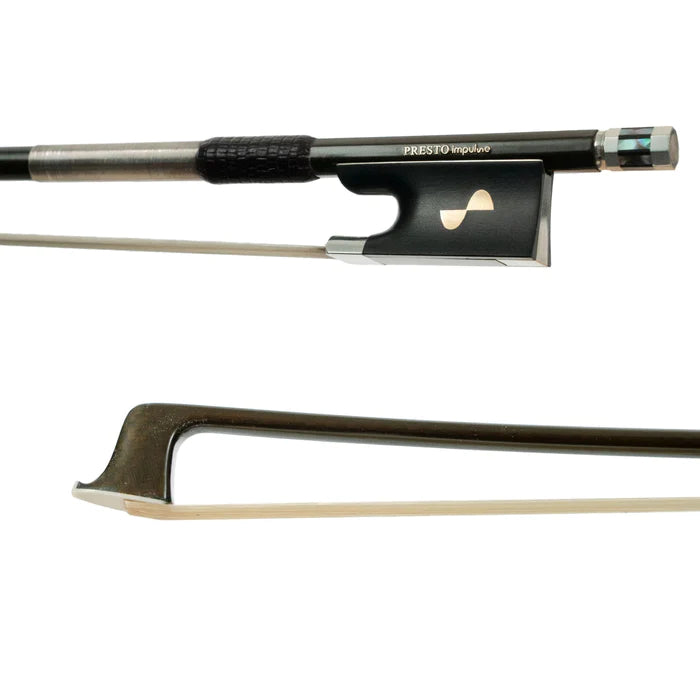
Beginner bows often use Brazilwood or carbon fiber. Responsibly harvested Brazilwood supports traditional craftsmanship, while carbon fiber bows offer long-term durability and fewer breakages, aligning well with eco-friendly manufacturing values.
These choices benefit the player first and reflect a smarter, more responsible approach than flashy finishes ever could.
6. Ask for Real Guidance
Teachers, luthiers, and the Shar Music team help beginners every day. A well-fitted instrument encourages good posture, better tone, and fewer frustrations. Starting correctly saves time and money down the road.
Final Thoughts
Choosing New Year’s resolution music goals is about more than January motivation. It is about setting up long-term success. With the right instrument, correct sizing, and reliable guidance, learning a string instrument becomes one of the most rewarding hobbies a beginner can choose. Whether you are exploring the best musical hobbies for beginners, starting lessons for the first time, or returning to music after a break, Shar Music is here to help.
Ready to get started? Explore our beginner Violins, Violas, Cellos, Basses or contact our team for personalized recommendations.
*Prices subject to change.


