




The days are getting shorter, the heat has kicked on a few times, and the sweaters and coats are coming out of storage. Winter is coming, and with it comes dry air that can wreak havoc on your string instrument. As the air loses moisture, it pulls moisture out of the wood in your instrument. That can cause slipping pegs, lowered string height, a change in tone, and even open seams or serious cracks. The good news is that major damage is easy to prevent, and so are small annoyances like tuning problems. Here are three simple steps to keep your instrument in great shape through the cold, dry months.
1. Monitor the Humidity in Your Case and Practice Space

Many cases come with a built-in digital or analog hygrometer, which shows the relative humidity inside the case. The air inside your case gradually matches the air outside it, so a hygrometer warns you early when humidity starts to fall. Not every hygrometer is perfectly precise. Still, checking the reading each time you open your case is one of the best ways to catch a dangerous drop before it affects your instrument. Writing it in your practice journal helps too. Most luthiers recommend keeping relative humidity between about 40 and 60 percent. If your case doesn’t have a hygrometer, the Oasis Digital Hygrometer with case clip or the Stretto® Hygrometer Unit is an easy addition. For more detail, the D’Addario Humiditrak Bluetooth Humidity and Temperature Sensor stays in your case and sends temperature and humidity readings to your phone. It can alert you if you’ve left your instrument in the car, set it near a heater or window, or need to refill your humidifier. It also tracks impacts, so you’ll know if your instrument has been handled roughly.
If your instrument spends almost as much time out of the case as in it, keep an eye on your practice room too. Put a Mini Digital Hygrometer on your stand or table to see whether your heating is drying out the room. When the humidity starts to drop, it’s time to humidify. Refill your case’s vapor bottle or add an instrument or case humidifier. Running a room humidifier where you practice most can also reduce the risk.
2. Humidify your case!
 Here in Michigan, summers are humid and winters are dry, so we recommend keeping water in your case’s vapor bottle from October through April. That can mean refilling it twice a week or more, especially if your case stays open for hours during practice. American Case Company Continental cases include an extra-long vapor bottle, so you don’t have to refill as often.
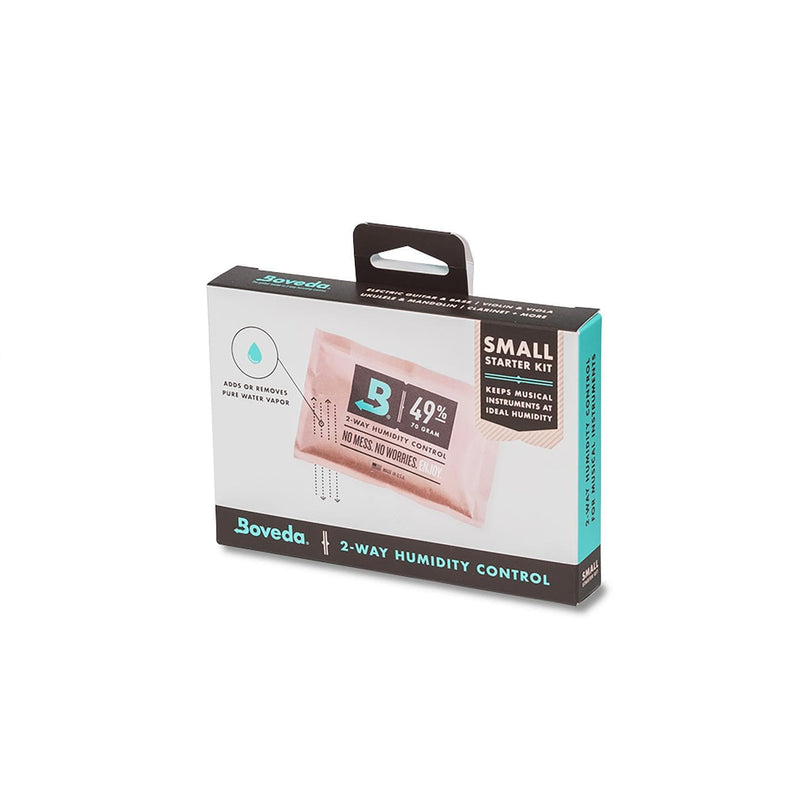
If  your case doesn’t have a vapor bottle, or you’d rather not have liquid water inside it, an in-case humidifier is a great alternative. The Stretto® Humidifier uses a reusable bag that you soak in water, and each soak lasts up to two weeks. The Oasis Case Humidifier uses water-absorbing crystals that release moisture with less risk of spills. Boveda Two-Way Humidity Packs need even less upkeep. They add or absorb moisture as needed to hold a steady level, with no water to refill.
If you only have a small vapor bottle, or if you play cello or bass, add an instrument humidifier as well. The Dampit and the Humidi-Guard™ fit right into the f-hole. They deliver moisture directly inside the instrument, where cracks and open seams start. They’re also a smart choice if your case is short on space. Both brands make larger sizes too, which you’ll find in our cello and bass humidifiers.

3. Keep Your Instrument’s Temperature Stable

A good violin, viola, cello, or bass case does more than protect against bumps and bruises. It also insulates against the elements. Wood-shell and foam cases offer the best protection from extreme cold or heat. No case can hold a steady temperature forever, but slowing down temperature changes is the best way to avoid serious damage.
That’s why Shar Music recommends pairing a high-quality case with an extra layer, like a Cushy™ case cover or a BAM Hoodie. You’ll find both in our case covers collection. A Cushy cover works like a winter coat for your case, adding weather protection, backpack straps, and extra storage pockets. For rain or snow, the Shar Music® Raincoat for Violin adds another layer of protection.
Your instrument isn’t only at risk outdoors. A car can get very hot or very cold, and so can the spot near a window, radiator, or busy doorway. An instrument left in any of these places goes through constant temperature changes that can cause damage or stress. Sudden changes are the biggest danger. One of the worst things you can do is open your case while the air inside is a very different temperature from the room. Say you forget your instrument in a cold car overnight. Bring the case inside and let it sit for an hour or more to reach room temperature before you open it, even if you’re eager to check on it.
A little attention now will keep your instrument sounding its best all winter. If you have questions about humidity or winter instrument care, the Shar Music team is always happy to help.