
A new bow can have an immediate and dramatic effect on your playing for a relatively modest investment. Many players don’t realize how much they’re held back by a bow that no longer meets their needs and skill level. Understanding what bows are made of is a great first step toward finding the right one.
The Most Common Bow Materials
Brazilwood

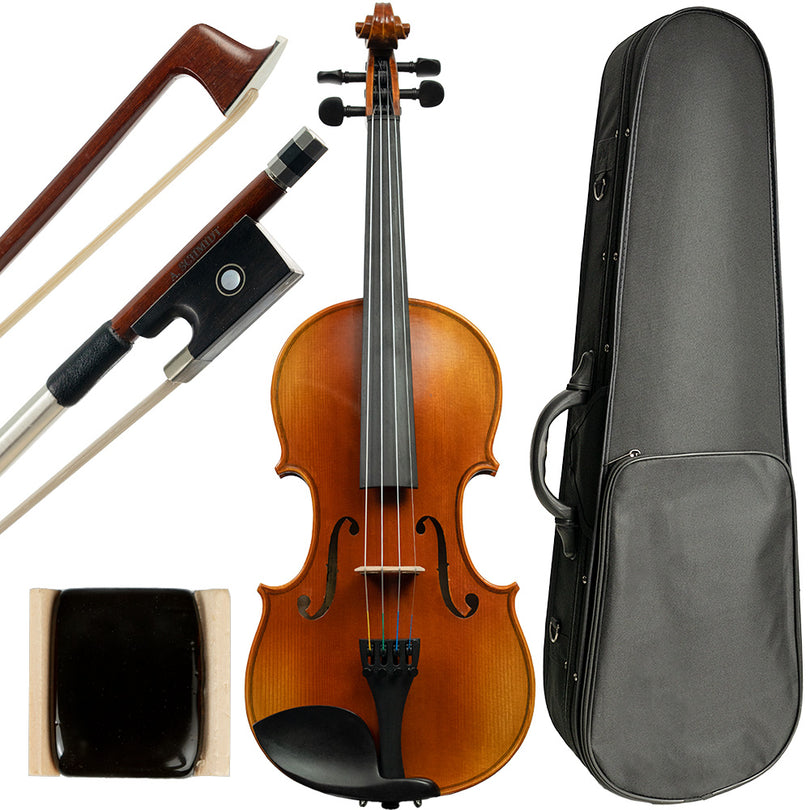
Brazilwood is the traditional choice for student-level bows. The name is a trade term rather than a single species. It covers several South American hardwoods from the Fabaceae (legume) family. Brazilwood bows are affordable and durable, which makes them a good match for beginners and many intermediate players. The Schmidt Workshop Brazilwood Violin Bow is a reliable first bow for young students. The Klaus Becker® Brazilwood Viola Bow offers German workshop quality for players ready for a step up.
Fiberglass

Fiberglass bows are built for durability. They hold up well to drops, bumps, and the everyday wear of school orchestra life, so they’re a popular choice for young students. Bows like the Glasser Bronx Student Model Cello Bow are a favorite with teachers and schools. Fiberglass bows tend to be less responsive than wood or carbon fiber, so most players move on from them as their technique develops.
Carbon Fiber

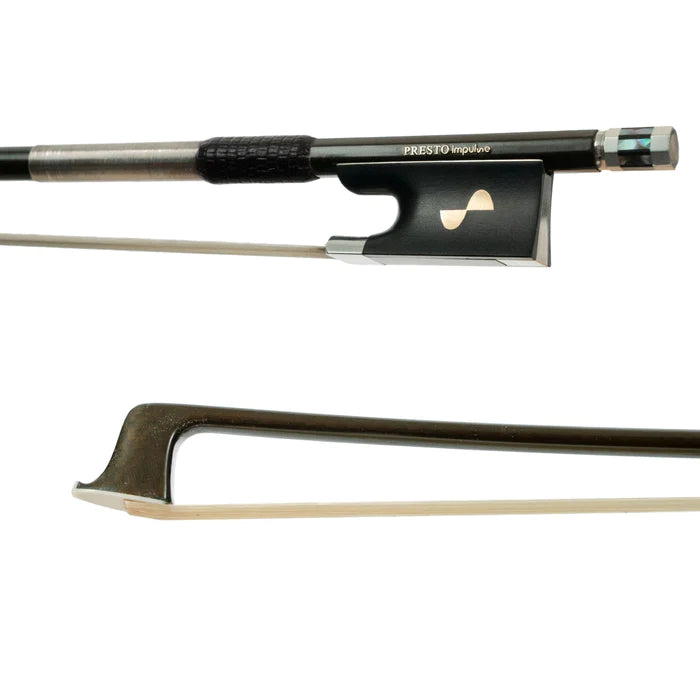
Carbon fiber bows are typically made by layering carbon fiber mesh and a binder into molds, then hand-finishing the stick. They react very little to changes in temperature and humidity. That makes them excellent for travel, outdoor performances, and any setting where conditions change. Carbon fiber is now available at nearly every level. The Presto® Carbon Fiber Violin Bow is a durable student option. Performance models like the Presto® Ovation Carbon Fiber Violin Bow offer the kind of response that many players feel rivals comparable pernambuco bows. We carry carbon fiber bows from trusted brands including CodaBow, Presto®, and Arcus.
Pernambuco

Pernambuco has been the premier wood for bow making for centuries. It comes from the Brazilian Paubrasilia echinata tree (formerly classified as Caesalpinia echinata), and only the most select lengths are used for bows. It’s denser than brazilwood, with a tighter grain. That allows bow makers to craft strong, stiff, lightweight sticks with exceptional responsiveness and tonal range. The Klaus Becker® Pernambuco Violin Bow is an excellent introduction to pernambuco for intermediate players and beyond.
Pernambuco is a protected species under CITES, the international agreement that regulates trade in endangered plants and animals. Musicians can generally travel internationally with a pernambuco bow they own for personal use. However, rules for buying and selling pernambuco bows across borders have become stricter. Bows with fittings made from other protected materials, such as ivory or tortoiseshell, can also require their own documentation. Before you travel internationally, check the current requirements for your bow.
Pernambuco Alternatives

As pernambuco becomes more scarce, bow makers have embraced other materials. Ipê, a dense Brazilian hardwood, offers a feel and sound that many players find similar to pernambuco. Bows like the Valdecir Ribeiro Ipê Cello Bow show what this wood can do in the hands of a master bow maker. Bamboo-based bows, such as those from NuBow, are another innovative option for players looking for a sustainable alternative.
Find the Right Bow for You
The best way to choose a bow is to play it on your own instrument. Call a Shar Music Fine Instrument Professional today at 866.742.7270. They can help you compare options and select the right bow to break through to the next level of performance. Ask about our In-Home Trial program, or browse our full selection of violin bows to get started.