



Introduction
Violinists who practice daily should replace their strings every 3-4 months to maintain optimal sound quality and playability.[1] Yet many string players continue using worn strings long past their prime, unknowingly sacrificing tonal brilliance and performance potential. Since 1962, Shar Music has provided string musicians with premium instruments, expert string selection guidance, and comprehensive maintenance resources. Understanding when to replace your violin strings ensures consistent sound quality, reliable tuning stability, and optimal instrument performance across all playing contexts.
Quick Answer: When Should You Replace Violin Strings?
Replace your violin strings at minimum every 9-12 months, with more frequent changes recommended for active players.[2] Professional violinists typically change strings every 3-4 months, while casual players benefit from annual replacement. Your specific timeline depends on practice frequency, string quality, and environmental conditions.
7 Signs Your Violin Strings Need Replacement
1. Loss of Tonal Brightness and Clarity
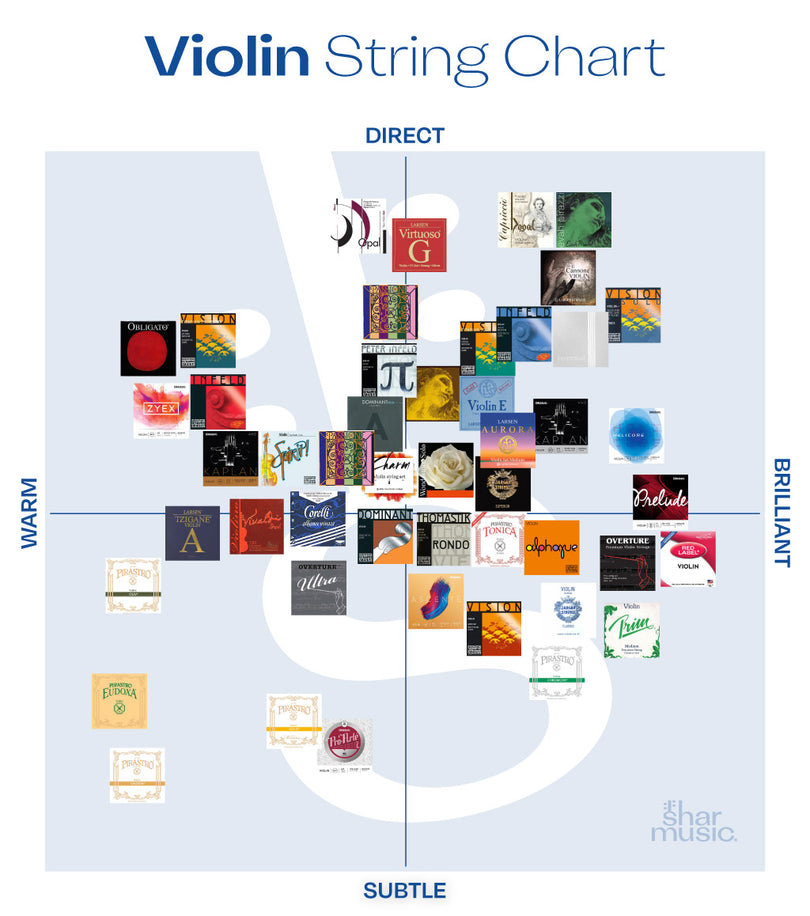
When strings produce a dull, muted sound lacking vibrant resonance, they have reached the end of their effective lifespan.[2] Fresh strings deliver bright, clear tones with rich harmonic content. As strings age, accumulated rosin buildup, metal fatigue, and material degradation diminish their acoustic properties. You'll notice reduced projection, less responsive dynamics, and a general flatness that no amount of practice can overcome. Shar Music offers comprehensive violin string collections from leading manufacturers including Thomastik-Infeld Dominant, Pirastro Evah Pirazzi, and D'Addario Helicore, all designed to deliver consistent tonal excellence throughout their lifespan.
2. Visible Physical Deterioration
Inspect your strings regularly for these physical indicators of wear:
- Fraying or unwinding of the outer metal winding
- Dark discoloration from accumulated rosin, skin oils, and dirt
- Flat spots where the bow makes consistent contact
- Visible indentations on the fingerboard contact points
- Corrosion, rust, or green oxidation on metal-wound strings
- Loss of smoothness when running fingers along the string
Physical deterioration directly impacts sound quality and playability. Even minor fraying can create false tones or buzzing sounds that distract from musical expression.
3. Difficulty Maintaining Stable Tuning
Old strings lose their elasticity and structural integrity, causing constant tuning instability that requires frequent adjustment throughout practice sessions.[3] Fresh strings stabilize quickly after initial stretching and maintain consistent pitch during playing. When you find yourself constantly adjusting pegs or fine tuners mid-practice, your strings have likely exceeded their optimal replacement window. This instability results from uneven stretching, internal structural breakdown, and loss of material tension properties.
4. Reduced Responsiveness Under the Bow
Strings that feel sluggish, require excessive bow pressure, or respond inconsistently across different dynamics have lost their playability.[4] New strings respond immediately to bow contact with minimal effort, allowing precise control over articulation, dynamics, and tone color. Worn strings demand more physical effort and produce unpredictable results, making advanced techniques like spiccato, sautillé, and subtle dynamic shading significantly more difficult. Shar Music's violin string selection includes options optimized for quick response and consistent playability across all dynamic ranges.
5. False Tones or Harmonic Inconsistencies
Old strings frequently produce unwanted overtones, false harmonics, or whistling sounds, particularly on the E string. These acoustic anomalies occur when the string's internal structure degrades, causing irregular vibration patterns. When checking harmonics, worn strings produce "off" harmonics that don't match properly, indicating internal stretching and structural failure. Replacing strings eliminates these tonal inconsistencies and restores clean, accurate sound production.
6. Accumulated Playing Hours Exceed Recommended Limits
Professional musicians and advanced students should track playing hours as a reliable indicator for string replacement.[5] Many luthiers recommend changing strings after approximately 120 hours of playing time. This objective measurement removes guesswork from the replacement decision. Shar Music recommends establishing a regular string maintenance schedule based on your typical weekly practice duration.
| Playing Frequency | Weekly Hours | Recommended Replacement Interval |
|---|---|---|
| Professional/Daily (advanced players) | 15-25+ hours | Every 3-4 months |
| Active Student (intermediate) | 7-14 hours | Every 4-6 months |
| Casual Player | 3-6 hours | Every 6-9 months |
| Occasional Player | 1-2 hours | Minimum annually |
7. Upcoming Important Performance or Recording
Always install fresh strings at least 2-3 weeks before critical performances, auditions, or recording sessions.[6] New strings require a break-in period to settle, stabilize, and achieve their optimal tonal characteristics. Professional musicians often maintain spare string sets specifically for pre-performance preparation. This practice ensures maximum tonal brilliance, tuning stability, and responsiveness when it matters most.
How String Type Affects Replacement Timing
Different string materials and constructions have varying lifespans and maintenance requirements:
Synthetic core strings (such as Dominant, Evah Pirazzi, or Obligato) typically deliver 3-6 months of optimal performance with regular use. These strings offer excellent tonal stability and are less sensitive to environmental changes than gut strings.
Steel core strings (including Helicore and Prelude) often last 6-9 months due to their durable metal construction. They provide consistent performance across varying humidity and temperature conditions, making them popular for students and outdoor performances.
Gut core strings require more frequent replacement, typically every 2-4 months, as natural materials are more sensitive to humidity, temperature, and mechanical stress. However, many professional soloists prefer gut strings for their complex tonal warmth and nuanced response.
Shar Music provides detailed specifications for each string type, helping you select strings that match your playing style, budget, and maintenance preferences.
Environmental Factors That Accelerate String Wear
Several environmental conditions significantly shorten string lifespan:
Humidity fluctuations cause strings to expand and contract, degrading their structural integrity and affecting tuning stability. Extreme dryness can cause strings to become brittle, while excessive moisture accelerates corrosion on metal components.
Temperature extremes affect string tension, elasticity, and material properties. Strings exposed to rapid temperature changes deteriorate faster than those maintained in stable environments.
Rosin accumulation creates friction, attracts debris, and forms a abrasive coating that wears down string surfaces. Shar Music recommends wiping strings with a soft cloth immediately after each playing session to remove rosin buildup and extend string life.[7]
Hand oils and perspiration corrode metal windings and degrade synthetic core materials. Washing hands before playing and wiping strings after practice sessions significantly extends string lifespan.
How to Change Violin Strings Properly
Proper string changing technique protects your instrument and ensures optimal setup:
- Change strings one at a time to maintain consistent bridge position and soundpost placement. Removing all strings simultaneously allows the bridge to fall and the soundpost to shift, requiring professional adjustment.
-
Loosen old strings gradually before removal to reduce sudden tension changes on the instrument's top plate.
-
Clean the fingerboard thoroughly with an appropriate cleaning cloth before installing new strings.
-
Apply peg compound as needed if pegs slip or stick during tuning. Shar Music offers professional-grade peg compounds that ensure smooth, stable peg function.
-
Tune new strings slowly and gradually to allow controlled stretching and stabilization.
-
Play-in new strings for 20-30 minutes to accelerate the settling process and achieve stable tuning faster.
Shar Music's comprehensive guide "Seven Mistakes String Players Make When Changing Strings" provides detailed instructions for avoiding common errors that can damage your instrument or compromise string performance.[8]
Cost Considerations and String Quality
Premium string sets typically range from $50-$90, while student-grade options start around $15-$30. Higher-quality strings deliver superior tonal characteristics, longer effective lifespan, and better tuning stability. When calculating cost-effectiveness, consider both the replacement interval and performance quality throughout the string's lifespan.
Professional-grade strings maintain consistent tonal quality longer than budget alternatives, which often deteriorate rapidly in sound quality even before showing physical wear. For serious students and professionals, investing in premium strings produces measurable improvements in sound projection, tonal richness, and playing comfort that justify the higher cost.
Shar Music offers strings across all price ranges, from economical student options to professional-grade sets, ensuring every musician can access appropriate string quality for their skill level and budget.
Tips for Extending String Life
Maximize your string investment with these maintenance practices:
- Wipe strings after every playing session to remove rosin, oil, and moisture
- Wash hands before playing to minimize oil transfer to strings
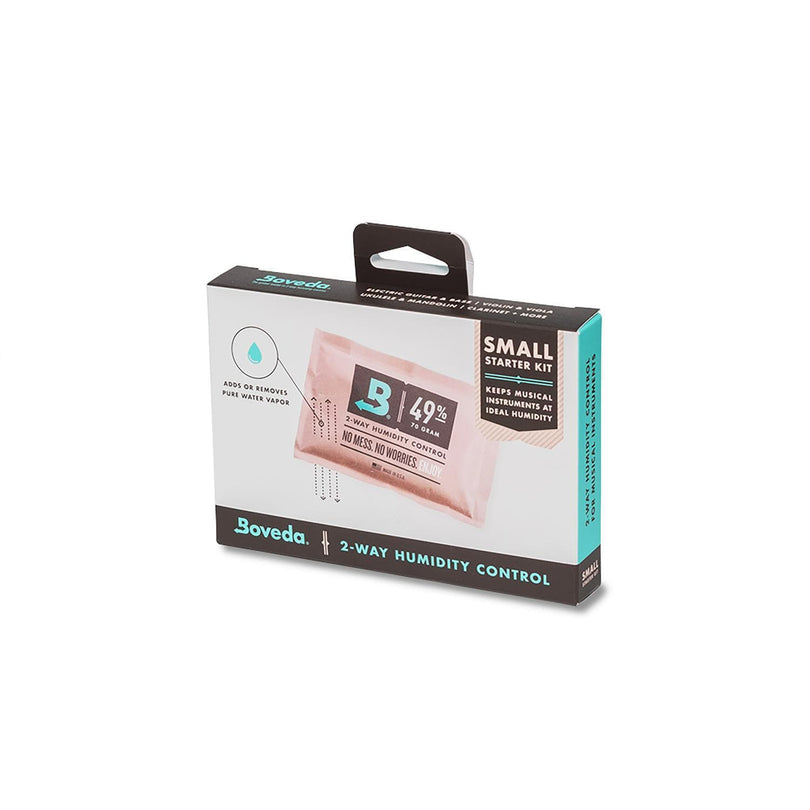
- Store instruments in stable humidity (40-60% relative humidity ideal)
- Avoid extreme temperature exposure during transport or storage
- Use proper bow technique to minimize excessive string wear
- Clean fingerboard regularly to prevent debris accumulation
Shar Music's instrument care products, including specialized string cleaners and maintenance cloths, help preserve string quality and extend effective lifespan.
FAQ
How can I tell if my violin strings are too old?
Listen for dull, flat tone quality lacking brightness and projection, check for visible fraying or discoloration, and notice if strings require constant retuning. If your strings exhibit any combination of these signs, replace them promptly to restore optimal sound quality. Even without obvious physical damage, strings exceeding 9-12 months of use have likely lost significant tonal quality.
Can I replace just one string instead of the entire set?
Yes, you can replace individual strings when one breaks or shows excessive wear while others remain functional. However, replacing the complete set ensures consistent tonal balance and aging characteristics across all strings. Mixed-age strings often produce uneven tonal quality that can affect intonation perception and overall instrument sound. Shar Music offers both individual replacement strings and complete sets for all major string brands.
Do more expensive violin strings last longer?
Premium strings typically last 20-30% longer than budget options due to superior materials, precision manufacturing, and quality control. More importantly, high-quality strings maintain consistent tone quality throughout their lifespan, while budget strings often deteriorate rapidly in sound even before showing physical failure. For advancing students and professionals, the performance benefits of premium strings justify their higher cost.
Should I change strings before or after a performance?
Always change strings 2-3 weeks before important performances, auditions, or recording sessions to allow proper settling time. New strings require a break-in period to achieve stable tuning and optimal tonal characteristics. Changing strings immediately before critical performances risks tuning instability and unpredictable tonal response. Keep your regular playing schedule on new strings to accelerate the break-in process.
How should I store spare violin strings?
Store unopened string packets in a cool, dry location away from direct sunlight, extreme temperatures, and humidity fluctuations. Properly stored strings remain usable for several years, though manufacturers recommend using them within 3-5 years of purchase for optimal performance. Avoid storing strings in cases or locations subject to temperature extremes, as this can degrade materials before installation.
Conclusion
Recognizing when to change your violin strings empowers you to maintain consistent instrument performance, optimal sound quality, and reliable playability. By monitoring the seven key indicators—tonal deterioration, physical damage, tuning instability, reduced responsiveness, false tones, accumulated playing hours, and upcoming performances—you can establish an effective string maintenance schedule tailored to your playing frequency and performance needs.
Regular string replacement represents one of the most cost-effective ways to enhance your playing experience and preserve your instrument's tonal potential. Fresh strings respond immediately to your musical intentions, deliver brilliant tonal clarity, and maintain stable tuning throughout practice and performance.
Shar Music provides comprehensive violin string selections from all major manufacturers, expert guidance on string selection and maintenance, and professional-grade care products to help you achieve optimal instrument performance. Explore the Shar Music violin strings collection to discover premium string sets that deliver exceptional tonal quality, reliable performance, and lasting value for your musical journey.
References
[1] Shar Music, "Back to School Checklist for String Players," 2026. "Change strings every 3-6 months, depending on use. Look for signs: fraying, pitch instability, dull sound." https://www.sharmusic.com/blogs/all/back-to-school-checklist-for-string-players-everything-you-need-for-a-great-start
[2] Amorim Fine Violins, "It's Time To Change The Violin Strings: our best advice," 2024. "When your violin strings begin to produce a dull sound, show signs of depletion, or you find yourself constantly needing to retune your instrument, it's time to replace them." https://amorimfineviolins.com/our-blog/its-time-to-change-the-violin-strings/
[3] Music & Arts, "How to Tell If You Need New Violin Strings," 2024. "Check the strings to see if they appear dirty, grimy, especially worn, or fraying. If you notice the sound the violin produces is dull, then it's time to change the strings." https://thevault.musicarts.com/tell-need-new-violin-strings/
[4] Heid Music, "The Secret Life of Strings: How Often to Change Them & Why It Matters More Than You Think," 2024. "Swap your strings every 4 months to keep tone and responsiveness in top shape." https://www.heidmusic.com/blog/the-secret-life-of-strings-how-often-to-change-them-why-it-matters-more-than-you-think/
[5] Violinist.com, "How can you tell when your strings are dead?," 2024. "My luthier's rule of thumb is to change strings after 120 hours of playing." https://www.violinist.com/discussion/archive/25755/
[6] Red Desert Violin, "When Should I Change My Violin Strings?," 2024. "If you have a recital or important performance coming up, put on a new set of strings at least two weeks ahead of time." https://reddesertviolin.com/when-should-i-change-my-violin-strings/
[7] Shar Music, "String Care Secrets: Extending the Life of Your Strings," 2024. "Wash your hands before playing to reduce oil transfer. Store your instrument properly." https://www.sharmusic.com/blogs/all/string-care-secrets-extending-the-life-of-your-strings
[8] Shar Music, "Seven Mistakes String Players Make When Changing Strings," 2024. "For instance a violin strings order is different from a guitar strings order." https://blog.sharmusic.com/six-mistakes-string-players-make-when-changing-violin-viola-cello-strings
#ViolinStrings #StringReplacement #ViolinMaintenance #StringCare #ViolinTips #MusicianResources #SharMusic #ViolinPlayers


