



Protect Your Violin, Viola, Cello, or Bass from Seasonal Damage
As the air turns crisp and the leaves change color, it's not just time for pumpkin spice and cozy concerts — it’s also a critical season for bowed string instruments.
Fall brings drier air, fluctuating temperatures, and lower humidity levels, all of which can quietly wreak havoc on your violin, viola, cello, or bass. But with the right care, your instrument can stay in peak condition — sounding as rich and resonant as a fall sonata.
Here are the Top 5 Fall Instrument Care Essentials every string player (and parent or teacher!) needs to know:
🍁 1. Maintain Ideal Humidity: 40%–60%
Why it matters: Dry fall air can cause wooden instruments to crack, shrink, or develop open seams. Bow hair may shrink too — leading to excessive tension that warps the stick.
What to do:
- Use a hygrometer in your case to monitor humidity.
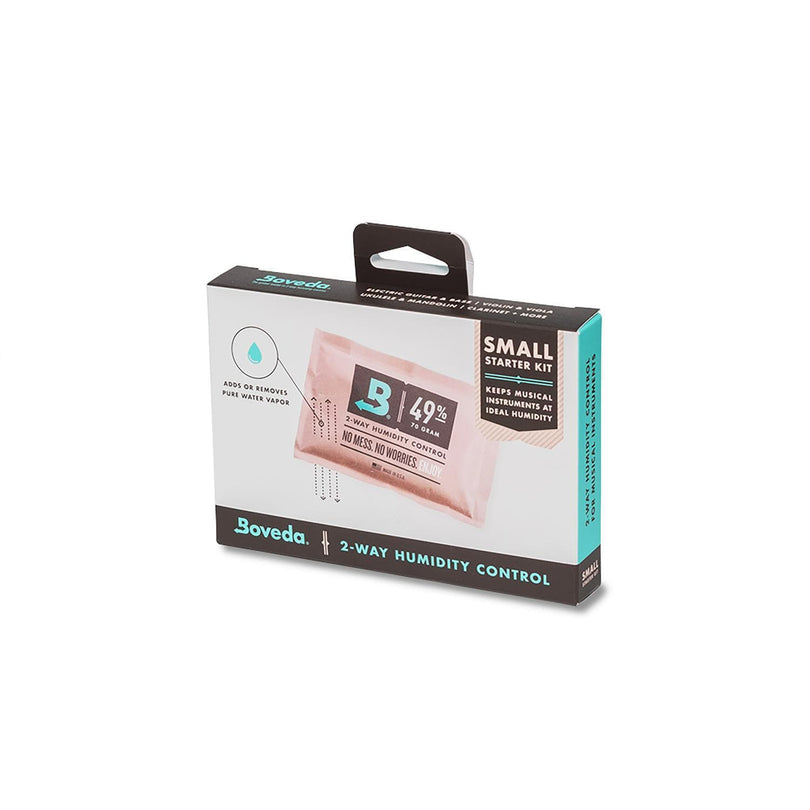
- Add an in-case humidifier like the Oasis or Stretto to protect both your instrument and bow.
- For school settings or large ensembles, consider room humidifiers to keep climate stable.
Pro Tip: Cellists and bassists should always use two Dampits — one in each f-hole — to account for the larger air volume inside their instruments.
🍁 2. Care for Your Bow: Don’t Let It Dry Out
Why it matters: Bow hair reacts even faster than wood to humidity changes. Shrinkage leads to breakage and, in extreme cases, can warp or even snap the stick.
What to do:
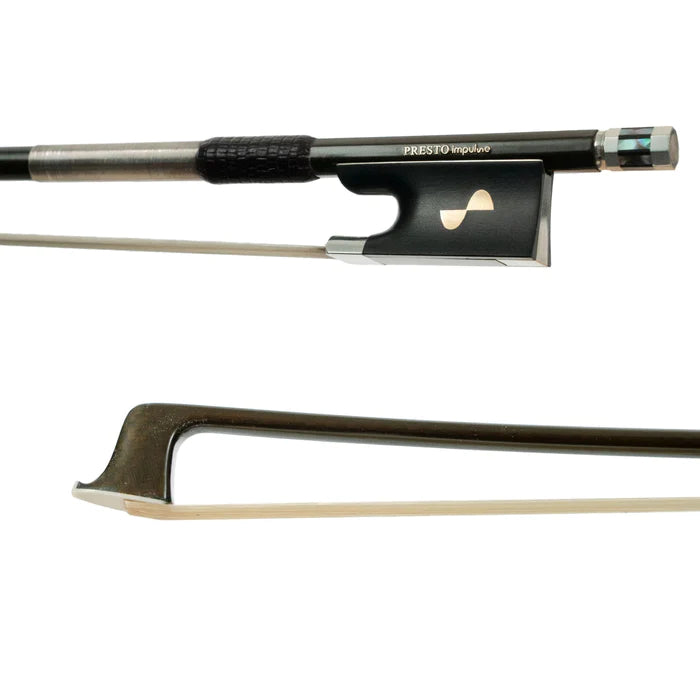
- Always loosen the bow after playing.
- Wipe rosin from the stick after each use.
- Avoid leaving the bow hair tight in dry environments — it puts strain on the tip.
- Schedule rehairs as needed (usually once or twice a year, depending on use).
Did you know? If your bow starts breaking hairs on one side only, it’s a sure sign it’s time for a rehair.
🍁 3. Wipe It Down Daily
Why it matters: Rosin buildup can dull your instrument’s tone and damage the varnish.
What to do:
- Keep a soft, lint-free cloth in your case to wipe rosin off strings and the instrument body after each practice.
- Never use water or furniture polish — they can cause the varnish to bubble or the seams to open.
- Polish sparingly, and only with a product made specifically for string instruments.
Bonus: Cleaning your bridge gently helps prevent buildup that can warp or misalign it.
🍁 4. Check Your Strings and Bridge
Why it matters: Temperature and humidity swings can affect string tension and bridge position.
What to do:
- Look at your bridge from the side — it should stand straight, not leaning. If it's tilting, gently adjust it or take it to a luthier.
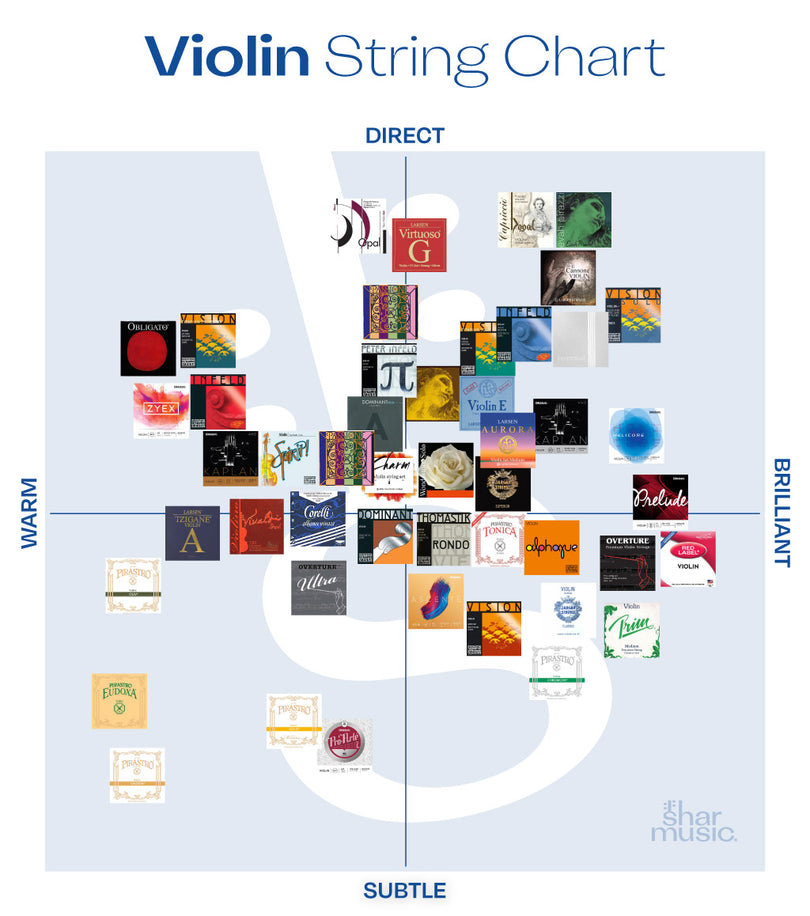
- Listen for dull, unresponsive tone or difficulty tuning — these are signs your strings may be dead.
- Replace strings every 3–6 months, depending on how often you play.
Remember: Good tone starts with healthy strings.
🍁 5. Inspect Your Case and Accessories
Why it matters: Your case is your instrument’s first line of defense against fall’s fluctuating weather.
What to do:
- Make sure the hygrometer works, and the case seals fully when zipped or latched.
- Remove shoulder rests or pads before storing.
- Clean out the case — especially if the bow hasn’t been used recently.
- Store the case away from vents, radiators, or exterior walls.
Storing tip: A well-insulated closet, away from direct sunlight or heating vents, is an ideal storage spot.
🎶 Wrap-Up: Keep the Music Flowing This Fall
Your instrument deserves the same care and attention you give your music. Taking just 5–10 minutes after each practice session, and making small seasonal adjustments, can save you from costly repairs down the line.
Whether you're a teacher maintaining a studio, a parent helping a student succeed, or a performer preparing for fall recitals, a little maintenance now can keep your instrument (and your sound) at its best all season.
💡 Ready to Gear Up for Fall?
Check out our curated collection of humidifiers, care kits, and accessories to help you transition into the new season with confidence.


