


Every violinist eventually reaches a point where practice feels harder than it should. Notes don't ring, soft passages disappear, and the instrument that once felt like a good fit starts to feel like a ceiling. Knowing when to upgrade your violin can save you money, frustration, and months of stalled progress. This guide walks through how to tell whether your violin is the problem, what to fix first, when to upgrade, and how to choose a better instrument.
Signs Your Current Violin Is Holding You Back
Before you shop, work out whether the limit is the instrument or the technique. Student violins are built to be affordable and forgiving, and most reach a ceiling eventually. Common signs include:
- Muddy tone: The sound stays unfocused even with a clean bow stroke and fresh strings.
- Sluggish response: Notes take a moment to speak, especially in fast passages or off-the-string strokes.
- Instability in higher positions: Notes above third position on the G and D strings sound thin, choked, or wolfy.
- Limited dynamic range: Soft playing turns airy and loud playing turns harsh instead of growing fuller.
- Uneven strings: A bright, loud E string sits next to a weak G string.
- Weak projection: Your sound vanishes in orchestra or in a larger room.
Make these standards observable. Record the same scale softly and loudly, then listen back. Ask someone to stand across the room while you play. If your teacher picks up your violin and runs into the same walls you do, that is a strong signal.
Be honest about the other side, too. "It doesn't sound good" is not enough reason to spend money on its own. Inconsistent practice, an unsteady bow contact point, or a piece slightly beyond your current level can all sound like instrument problems. Weigh your practice habits, your teacher's feedback, and your repertoire before you decide.
What to Fix Before You Buy a Better Violin
Many student violins sound noticeably better after basic maintenance. Before shopping, check the following:
- Strings: Most players should replace strings every 6 to 12 months. Old strings sound dull and play out of tune.
- Bridge: It should stand straight, line up with the f-hole notches, and sit at the correct height.
- Soundpost: A small adjustment can change a violin's focus, power, and balance.
- Nut and fingerboard: A high nut or uneven fingerboard makes pressing strings harder and hurts intonation.
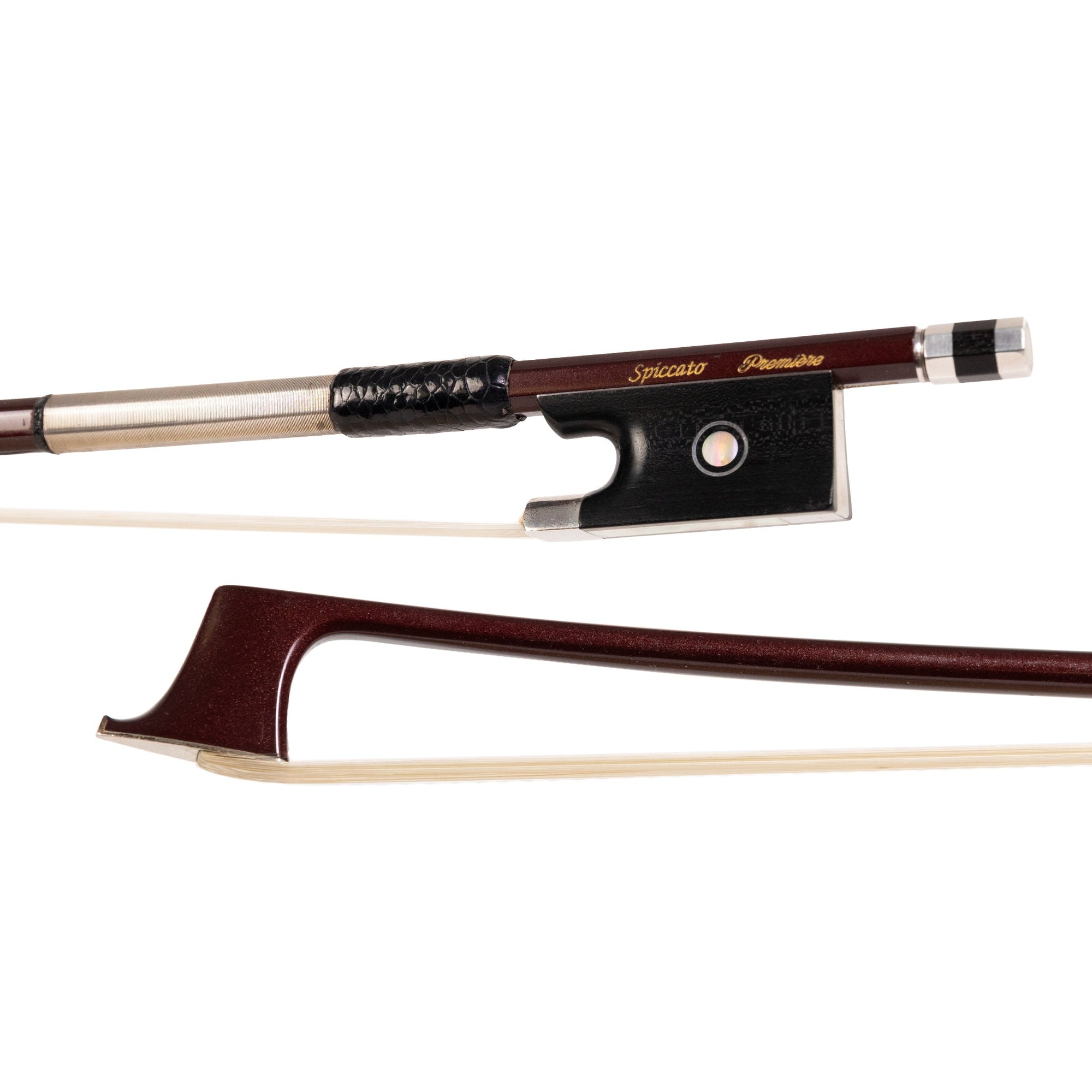
- Bow hair: Worn or sparse hair grips poorly, and a rehair costs far less than a new instrument.
- Rosin: A fresh, quality cake can improve grip and clarity.
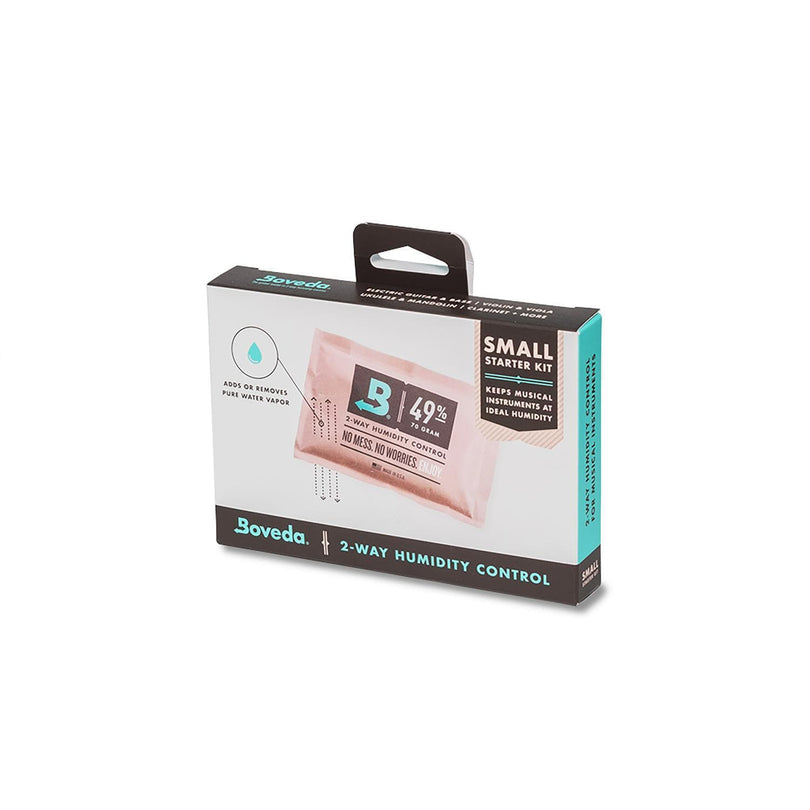
- Case humidity: Dry winters in much of the US can open seams and cause buzzes, so a case humidifier helps keep the violin stable.
A typical shop evaluation starts with an inspection for cracks and open seams, moves on to setup checks and adjustments, and ends with a play test to confirm the results. Our repair and restoration team offers inspections and sound adjustments at our Ann Arbor showroom, or you can ship your instrument to us.
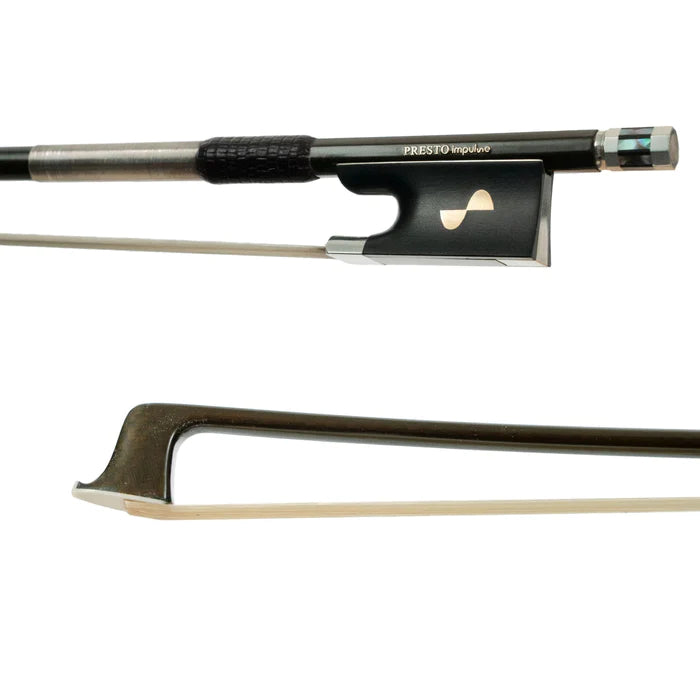
Compare the value of each step. New violin strings and a setup cost a fraction of a new violin, and a better violin bow can improve articulation, tone, and control on its own. Some violins transform after adjustment. Others improve but still can't deliver the response and projection an intermediate player needs. That second case is when an upgrade makes sense.
The Best Time to Upgrade by Skill Level, Age, and Repertoire
The right moment usually depends on what you are asking the violin to do. Beginners who have settled posture and basic intonation start to hear more of what their instrument lacks. The difference becomes much clearer at the intermediate stage, when students take on more complex shifting, vibrato, double stops, student concertos, and demanding orchestral parts.
Teachers often recommend upgrading ahead of a specific goal. Many US students make the move before solo competitions, school orchestra seating auditions, youth symphony auditions, or summer music camps. Buying a few months early gives you time to adjust to the new instrument before it matters most.
Adult learners deserve the same consideration. Upgrading is not only for children. If you practice consistently, your ear has sharpened, and your current violin can't produce the sound you hear in your head, a better instrument can be a worthwhile investment in your enjoyment and progress.
For children, size matters as much as quality. Most kids move through fractional sizes (1/16, 1/10, 1/8, 1/4, 1/2, and 3/4) before reaching full size, usually in their early to mid teens depending on arm length and hand size. Your teacher should confirm each size change. Avoid buying an expensive fractional violin for a child who is still growing quickly, since they may outgrow it within a year. Renting or buying a well-made instrument through each size is usually smarter. Save the larger investment for the full-size violin.
Budget, Buying Options, and Resale Strategy
Prices vary by maker, age, and setup, but these approximate ranges give you a starting framework:
- Beginner: about $340 to $650 for a complete outfit
- Intermediate: about $750 to $2,500
- Advanced student or serious teen: about $2,000 to $5,000
- Pre-college and professional: $5,000 and up
- Adult hobbyist: often $750 to $3,000, depending on goals
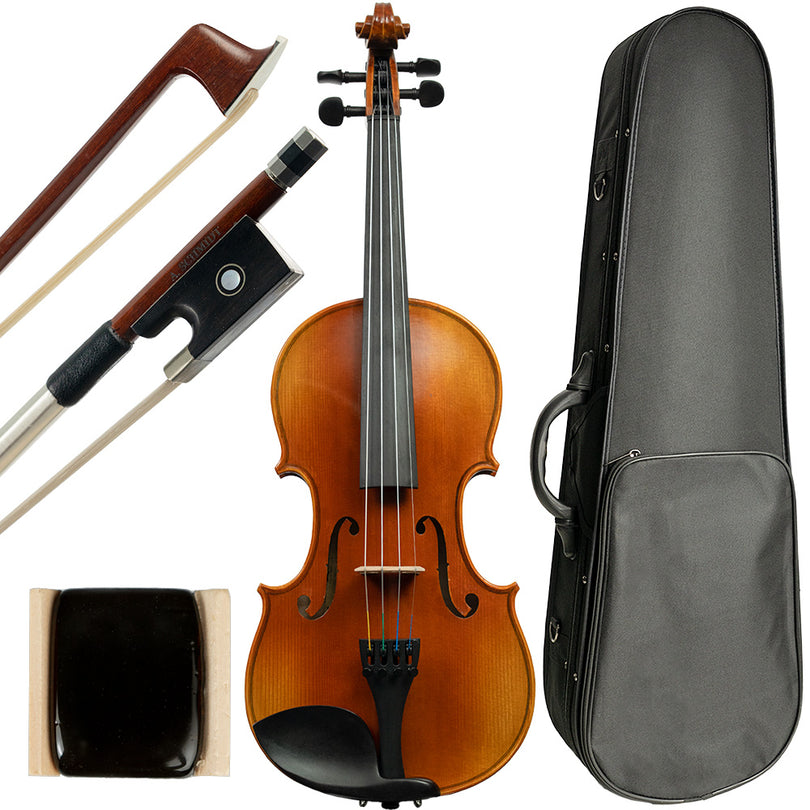
These tiers overlap. Some instruments work well for both a strong intermediate player and an advancing student. Plan for the full cost, not just the sticker price. A matching bow, a protective case, insurance, regular maintenance, and sales tax can add significantly to your total.
Each buying path has trade-offs. Renting keeps upfront costs low and suits growing children. Rent-to-own programs like SharWay let your payments build equity toward a higher-value instrument (terms apply). Buying new gives you a known history and a warranty. Buying used can stretch your budget, but condition and setup vary more. Shop trade-in programs, like our trade-in program, can turn your current violin into credit toward your next one.
Protect your long-term value by keeping receipts, maintenance records, and original accessories. Documented care makes trade-in and resale easier.
Watch for red flags in cheap "upgrade" violins:
- Attractive varnish paired with a thin, small sound
- Rough assembly, such as glue marks, poorly fitted pegs, or uneven seams
- A bridge that is too high or poorly cut
- No return policy
- No way to try the instrument before you commit
How to Test Violins Side by Side Before Upgrading
A structured trial turns a gut feeling into a decision you can trust. Bring your own bow so you compare violins rather than bows, along with a few pieces you know well. If possible, bring your teacher or an experienced player. Test in a quiet space, and compare two or three violins at a time so your ear doesn't get overloaded.
Play the same material on each instrument:
- Long, slow bows on each open string
- Scales through several positions
- Very soft and very loud passages
- Shifting and high positions on the lower strings
- Double stops
- The piece you are currently preparing
Judge each violin on specific criteria: tone under your ear, projection from across the room (have your helper listen from a distance), how quickly notes start, dynamic range, evenness across all four strings, and left-hand comfort. Take notes after each round so impressions don't blur together.
Before purchasing, ask the shop or luthier:
- How long is the trial period, and what is the return policy?
- What does the warranty cover?
- When was the violin last adjusted, and what strings are on it?
- Is trade-up credit available later?
- Can I take it to my teacher for a second opinion?
If you can't visit our Ann Arbor showroom, our in-home trial program lets you compare instruments at home (fees and terms apply).
Ready to Take the Next Step?
Deciding when to upgrade your violin doesn't have to be guesswork. Start by asking your teacher to assess your current instrument and your playing. Next, have a luthier check the strings, bridge, soundpost, and bow to see how much basic adjustments can improve. If your violin still falls short, arrange a side-by-side trial of several instruments.
The right upgrade isn't the most expensive violin. It's the one that supports your current technique, your future repertoire, and your budget. Browse our intermediate violins and advanced violins, book a showroom trial, or schedule an inspection with our luthiers. Bring your current violin, bow, and regular repertoire so you can compare with confidence.
Frequently Asked Questions
How do I know if my violin is limiting my progress?
Look for concrete signs: muddy tone, slow response, weak projection, uneven volume across the strings, and trouble in high positions. If your teacher runs into the same limits on your violin, and a fresh setup doesn't solve them, the instrument is likely holding you back.
Should I upgrade my bow before upgrading my violin?
Often, yes. A better bow can improve tone, articulation, and control at a lower cost than a new violin. If your violin is fundamentally limited, though, a bow alone won't fix it. Many players eventually upgrade both, and testing new violins with a quality bow gives a fairer comparison.
What should I check or repair before buying a new violin?
Check the age of your strings, the bridge position and height, the soundpost, the nut and fingerboard, the bow hair, your rosin, and your case humidity. A professional inspection can show whether affordable adjustments will close the gap.
How much should an intermediate violin cost in the United States?
Most intermediate violins fall roughly between $750 and $2,500. Some players move into advanced instruments in the $2,000 to $5,000 range. Budget extra for a bow, case, insurance, maintenance, and tax.
Is it better to rent, buy, or trade in a student violin?
Renting works well for growing children and new players. Rent-to-own lets your payments build toward ownership or a future upgrade. Buying makes sense once a player is committed and at full size. Trade-in programs can reduce the cost of your next instrument, so ask about them before you sell privately.
When should a child move from a fractional violin to a full-size violin?
Most children reach full size in their early to mid teens, but the decision depends on arm length, hand size, and comfort, not age alone. Ask your teacher to measure and confirm the fit before switching.
What questions should I ask a violin shop or luthier before purchasing an upgrade?
Ask about the trial period, return policy, warranty, recent adjustments, current strings, trade-up options, and whether you can take the violin to your teacher for a second opinion.