
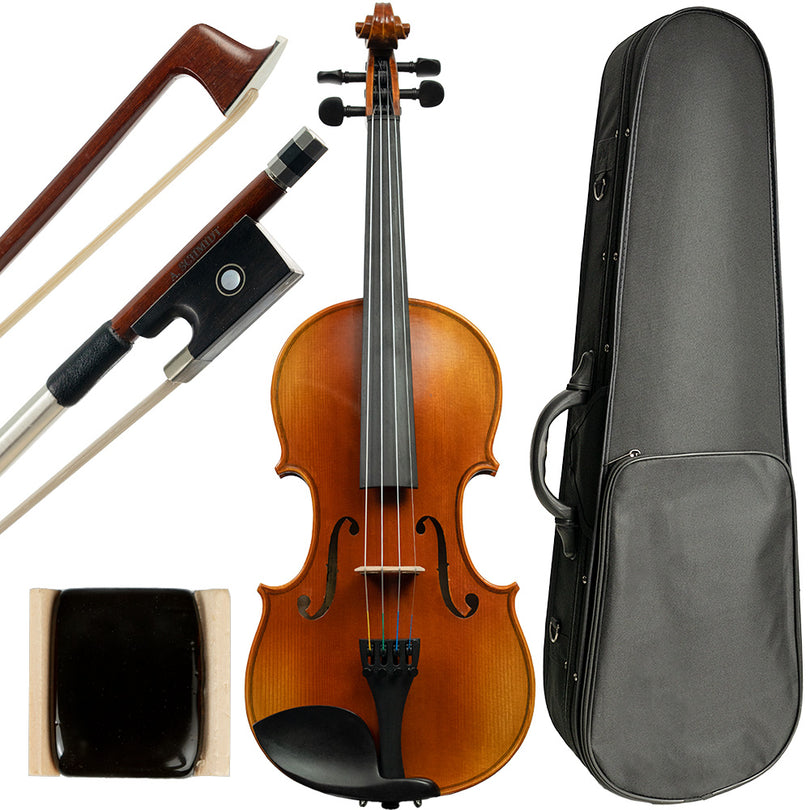
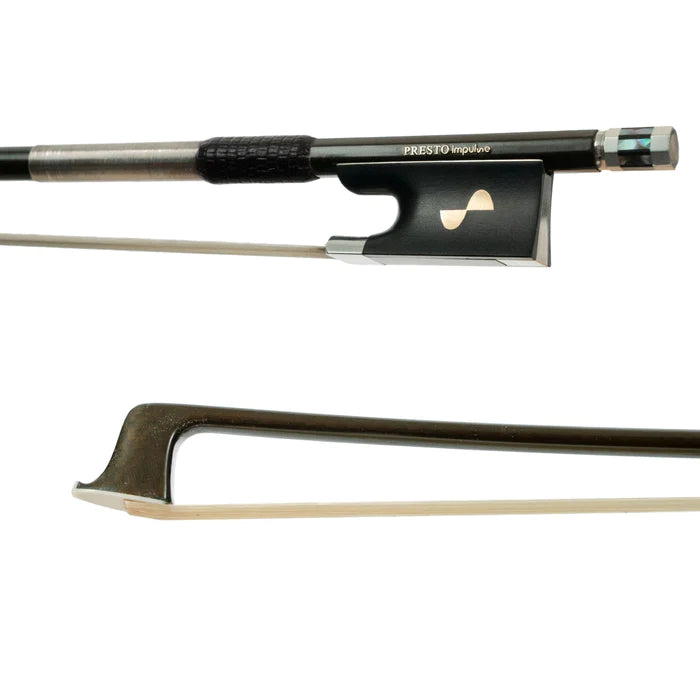




A violin is built almost entirely from wood, glue, and varnish, so it responds to everything around it: the oils on your hands, the air in your home, even the weather outside. The good news is that caring for a violin comes down to small, repeatable habits rather than anything complicated. Below, we walk through daily care, safe storage, a seasonal routine for different US climates, longer-term maintenance, and what that maintenance typically costs.
The Daily Habit That Matters Most: Wiping Down After Playing
If you adopt only one care habit, make it this one: wipe your violin down every time you finish playing.
Every stroke of the bow leaves a fine layer of rosin dust on the top of the violin, the strings, and the fingerboard. Add the natural oils and sweat from your hands and chin, and a sticky film builds up faster than most players expect. Over time, caked-on rosin can bond with the varnish, dulling the finish and in some cases damaging it. Residue on the strings also makes them feel grimy and can dull their tone well before they would otherwise wear out.
The technique is simple:
- Use a soft, lint-free microfiber or flannel cloth reserved only for your violin.
- Wipe the top of the instrument, paying extra attention to the area between the fingerboard and the bridge, where rosin collects most.
- Use a second cloth for the strings and fingerboard, so rosin and finger oils don't get transferred back onto the varnish.
- Wipe the bow stick (never the hair) to remove rosin and fingerprints.
Avoid water, alcohol, and household cleaners, all of which can strip or cloud varnish. If buildup has already hardened, a cleaner or polish made specifically for string instruments is the safer choice. You can find cloths and instrument-safe cleaners in our cleaner, polish, cloths, and care collection.
Think of this as a 30-second habit rather than a chore. A quick wipe after every session does far more for your violin than an occasional deep clean.
Storing a Violin Safely Between Practices
Once the violin is wiped down, it should go straight back into its case, with the bow hair loosened and the bow secured in the lid. A violin left out on a chair, bed, or music stand is exposed to bumps, falls, and curious pets, and the wood is left at the mercy of whatever the room's air is doing that day. A closed case acts as a buffer, slowing down sudden changes in temperature and humidity.
Humidity matters most. Wood absorbs and releases moisture as the surrounding air changes, and the ideal relative humidity for a violin is close to 50 percent, with roughly 40 to 60 percent considered a safe range. When the air is too dry, the wood shrinks, which can lead to cracks in the top, open seams, a fingerboard that begins to lift, and pegs that slip. When the air is too humid, the top and back plates can swell, which may shift the soundpost, change how the instrument responds, and make pegs stick.
Where you keep the case matters as much as what's inside it. The most common real-world mistakes we see are:
- Storing the case next to a heating or air-conditioning vent, radiator, or fireplace
- Leaving the case in direct sunlight, such as beside a window
- Leaving the violin in a car, where summer heat can soften glue joints and damage varnish, and winter cold can cause cracks
- Keeping the case in a basement, attic, or garage without climate control
An interior closet or a spot along an interior wall is usually the most stable place in a home. If your current case doesn't close securely or offer much padding, it may be time to look at a new violin case.
A Seasonal Care Routine for Different US Climates
Advice to "keep humidity around 50 percent" only helps if you know what your local climate is doing. Here's how the risks shift depending on where you live.
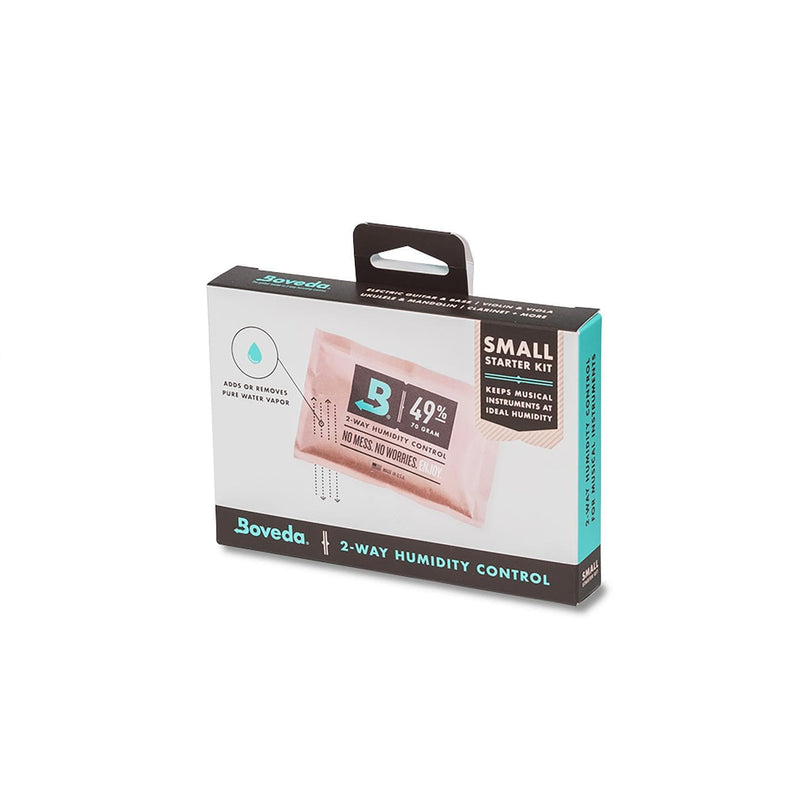
Humid regions (the Gulf Coast and Southeast). Summer humidity often stays well above 60 percent, so excess moisture is the main concern. A swollen top can raise the strings higher off the fingerboard, pegs may stick, and cases stored in damp rooms can develop mildew. Keep the violin in an air-conditioned or dehumidified room, and skip water-based humidifiers during humid months. A two-way humidity control product such as Boveda humidification packets can absorb extra moisture as well as release it.
Dry regions (the Southwest and Mountain states). Low humidity is the norm for much of the year, which is why cracks, open seams, and slipping pegs are more common here. A case humidifier is worth using nearly year-round, not just in winter.
Northern regions with cold winters. Even areas with muggy summers become very dry indoors once the heat comes on, and indoor humidity can drop to 30 percent or lower. This seasonal swing catches many players off guard. Start using a case humidifier when you turn on the heat in the fall and keep it going until spring.
For dry seasons, browse our violin and viola humidifiers. Options like the Humidi-Guard™ humidifier and the Dampit violin humidifier are soaked, wrung out until they no longer drip, and slipped through the f-hole.
Finally, a hygrometer is an inexpensive way to know what's actually happening inside your case rather than guessing. Check it weekly, and more often as the seasons change.
Maintenance Beyond Wiping: Strings, Bow Hair, and Checkups
Daily habits protect the violin, but a few parts wear out on their own schedule no matter how careful you are.
Strings. For a regular player, strings typically need replacing every 6 to 12 months, and sooner for anyone practicing several hours a day. Signs it's time include a dull or muted tone, trouble staying in tune, visible fraying of the winding, or a string that sounds "false," meaning its pitch and tone are uneven even when it seems properly tuned. Replace strings one at a time so the bridge stays in place and tension on the top stays even. When it's time, browse our violin string sets or individual violin strings.
Bow hair. Most regular players should have their bow rehaired roughly once a year. As hair wears, it loses its ability to grip the string, so you'll find yourself reaching for rosin more often and getting a thinner sound. Rehair sooner if the hair looks visibly thin, many hairs have broken, or the bow no longer tightens properly.
Annual checkup. A yearly visit to a violin shop or luthier is the best way to catch small issues before they turn into expensive ones. A technician will look for a bridge that has started to warp or lean, a soundpost that has shifted, pegs that slip or stick, open seams, and cracks you may not have noticed. Between visits, glance at your bridge after tuning; it should stand straight, not tilt toward the fingerboard. Many players schedule their checkup at the start of the school year or before the dry winter months.
What Violin Maintenance Actually Costs
Most care guides never mention cost, which leaves many players unsure what's normal to pay. Prices vary by region, shop, and the value of the instrument, but these approximate US ranges for a full-size violin will help you budget:
| Service | Typical US range |
|---|---|
| String change (strings plus installation) | $35 to $150 |
| Bow rehair | $60 to $120 |
| Basic checkup and adjustment | $35 to $100 |
| Soundpost adjustment | $20 to $60 |
| New bridge, cut and fitted | $75 to $200 |
The biggest variable in a string change is the strings themselves, since student sets cost far less than professional ones. Fine instruments and bows also tend to cost more to service, because the work takes more time and care.
These ranges are also useful for spotting a quote that seems off. A price far below them can signal rushed work or low-quality materials, while one far above them should come with a clear explanation. Whatever the job, a trustworthy shop will give you a written estimate before any work begins. At the Shar Music repair and restoration shop, our luthiers provide a detailed estimate and expected completion date up front, and we serve players nationwide by mail as well as in person in Ann Arbor.
Keep Your Violin Sounding Its Best
Caring for a violin isn't technical or time-consuming. It comes down to a few consistent habits: wipe it down after every session, store it in its case away from heat and sunlight, keep an eye on humidity as the seasons change, and schedule a checkup once a year. For anything beyond daily care, such as a bow rehair, bridge adjustment, or crack repair, the luthiers at our repair and restoration shop are ready to help, whether you visit our Ann Arbor showroom or ship your instrument to us.
If you rent your violin, check your plan before assuming a repair is an out-of-pocket cost.
FAQ
How often should I wipe down my violin?
Wipe it down after every playing session. It only takes about 30 seconds with a soft, dedicated cloth, and it keeps rosin dust and finger oils from building up on the varnish and strings.
What humidity level is best for storing a violin?
Aim for about 50 percent relative humidity, with 40 to 60 percent as a safe range. A hygrometer in or near the case tells you where you actually stand, and a case humidifier or two-way humidity control product helps keep things steady.
How often should violin strings be changed?
Most regular players should replace their strings every 6 to 12 months. Change them sooner if the tone sounds dull, the strings won't stay in tune, the winding is fraying, or a string sounds "false."
How much does basic violin maintenance typically cost?
In the US, a bow rehair typically runs about $60 to $120, a basic checkup and adjustment about $35 to $100, and a string change about $35 to $150, depending largely on the strings you choose. Prices vary by region, shop, and instrument.
Can I clean or maintain my violin myself, or do I need a professional?
Daily wiping, humidity monitoring, checking that the bridge stands straight, and changing strings one at a time are all safe to do yourself. Leave bridge fitting, soundpost adjustments, crack and seam repairs, and bow rehairs to a professional luthier.
Is it bad to leave a violin in a hot car or near a heating vent?
Yes. Heat in a parked car can soften glue joints and damage varnish, and a heating vent dries the wood quickly, which can lead to cracks and open seams. Store your violin in its closed case in a stable, interior part of your home.