About CodaBow
CodaBow designs and makes carbon fiber bows for violin, viola, cello and bass in Winona, Minnesota, where the company began in 1993. The idea goes back much further. In 1958 materials scientist Stan Prosen, working with Roger Bacon, the inventor of carbon fiber, dropped a carbon fiber test ring in the lab and noticed how clear and sustained its tone was. Prosen later teamed up with aerospace engineer Jeff Van Fossen, and the first CodaBow prototypes were built in the attic laboratory of a dormant liniment factory in Winona.
CodaBow at Shar
CodaBow organises its range into student, performance and master models, and we carry bows from each tier:
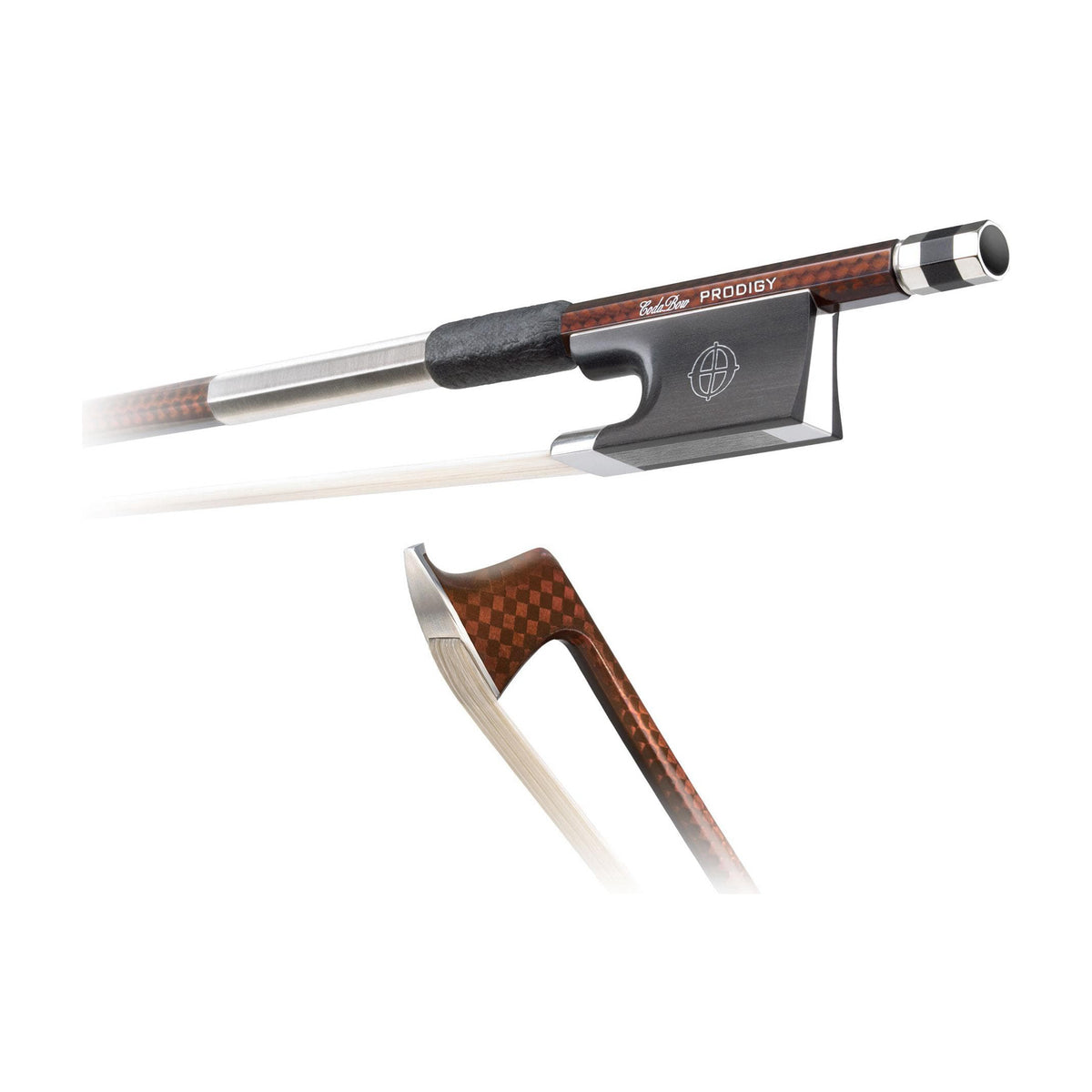
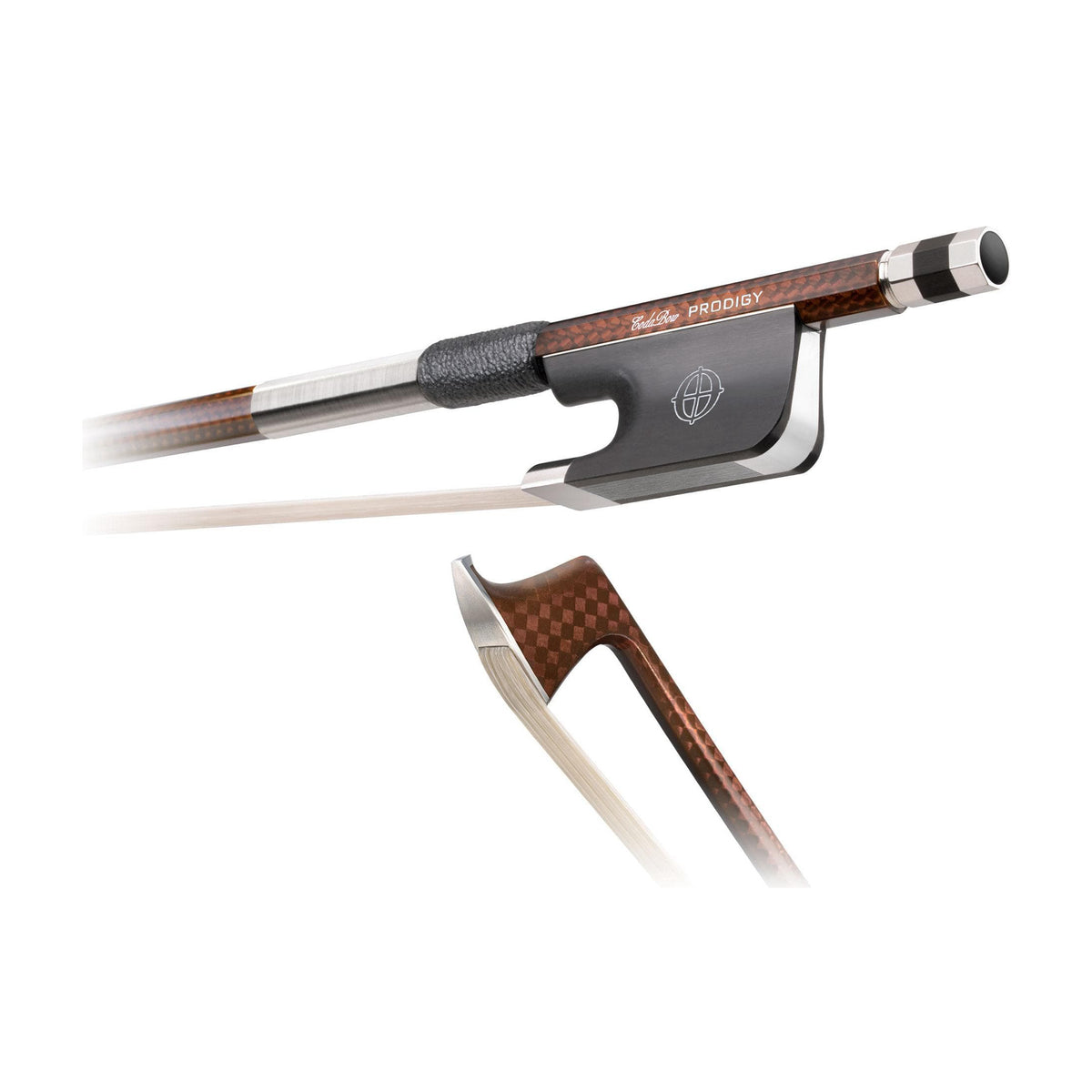
- Student — Prodigy: CodaBow's student model, for violin, viola and cello.
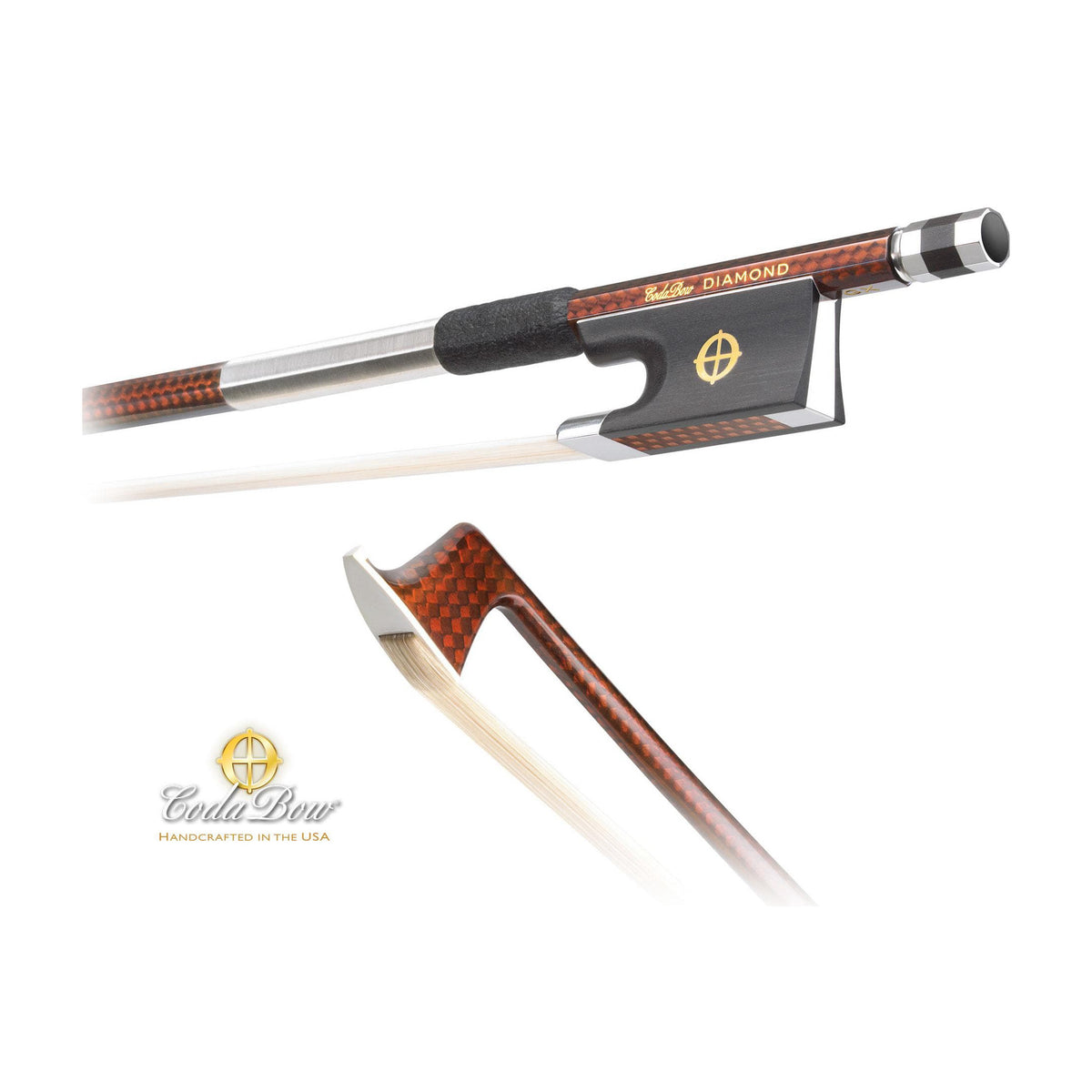
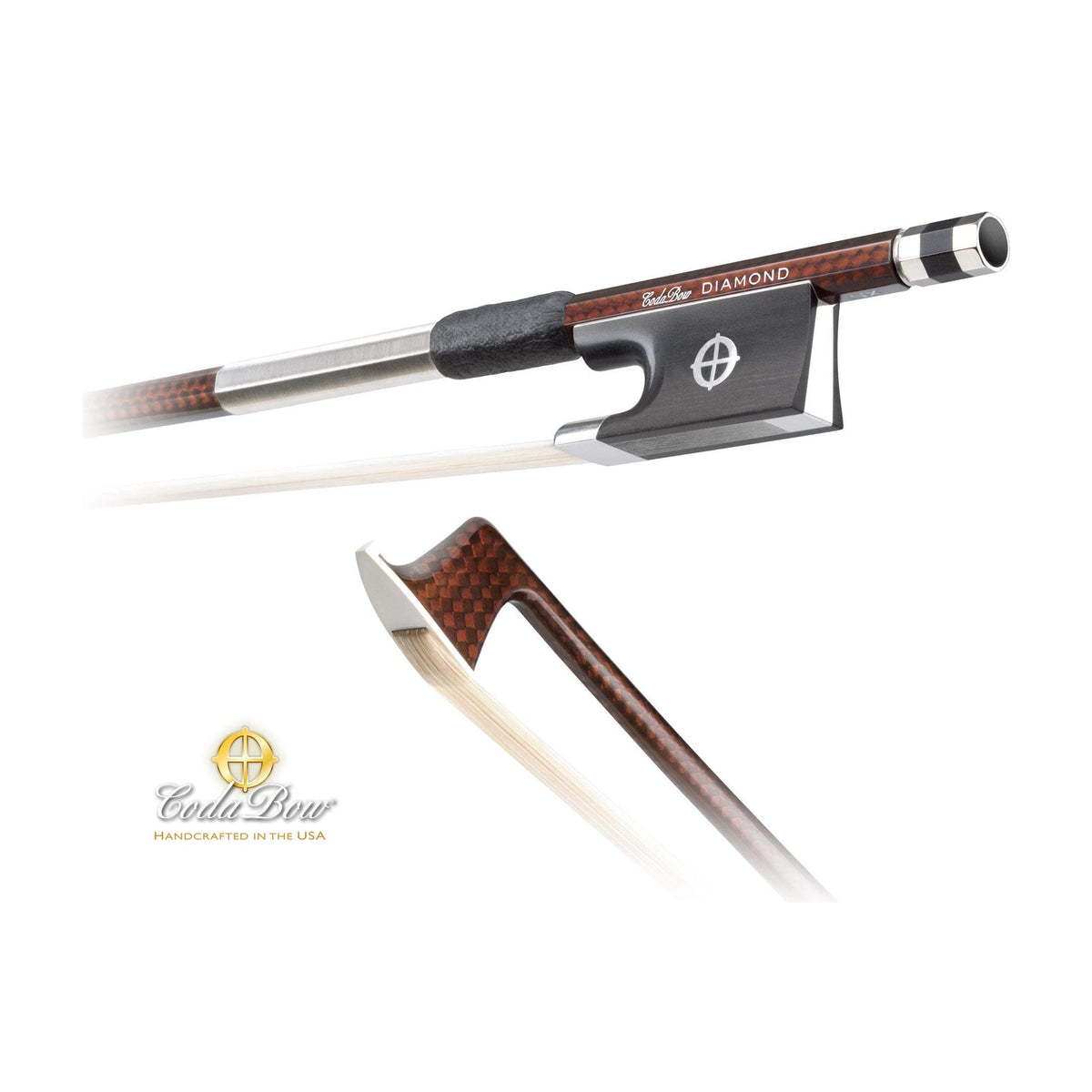
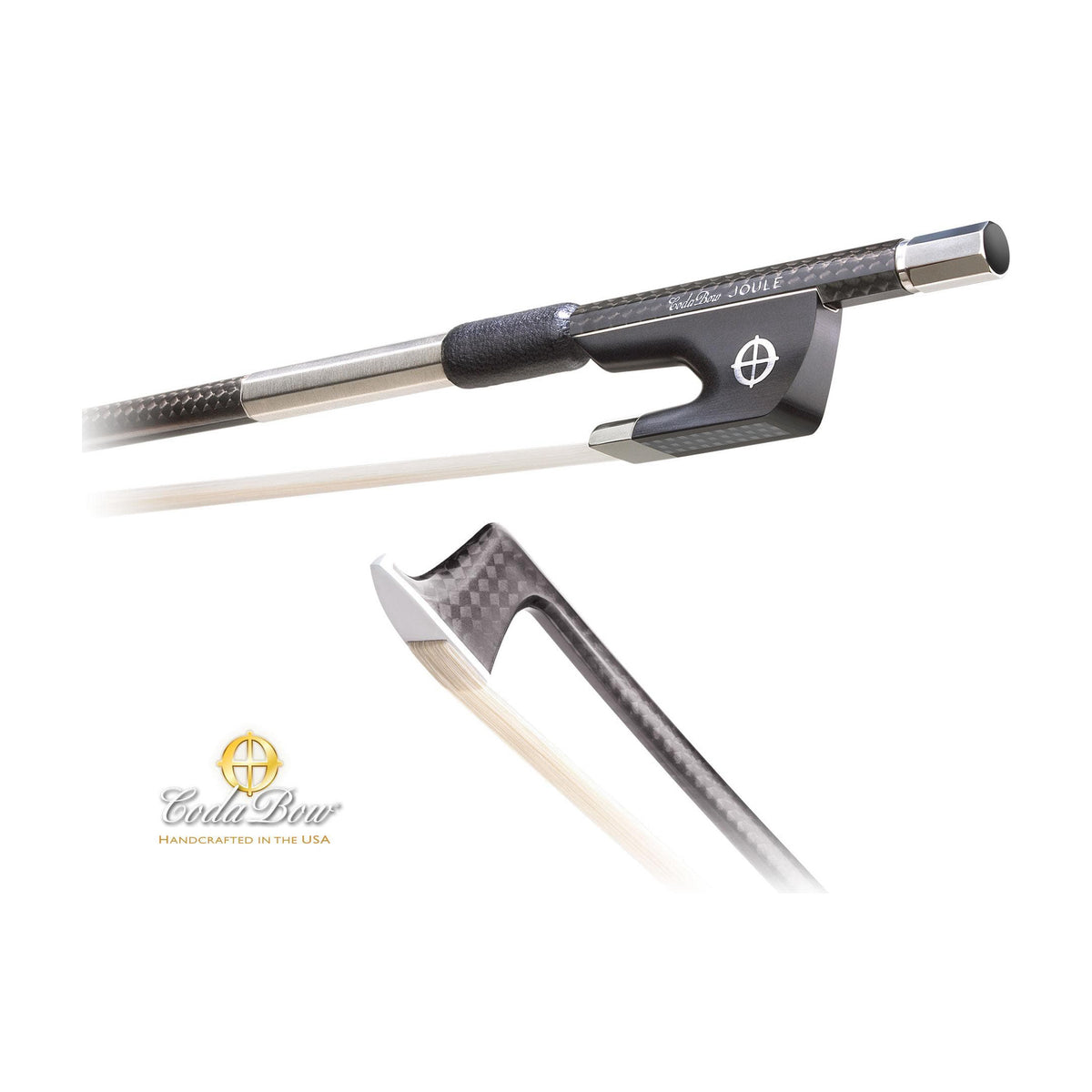
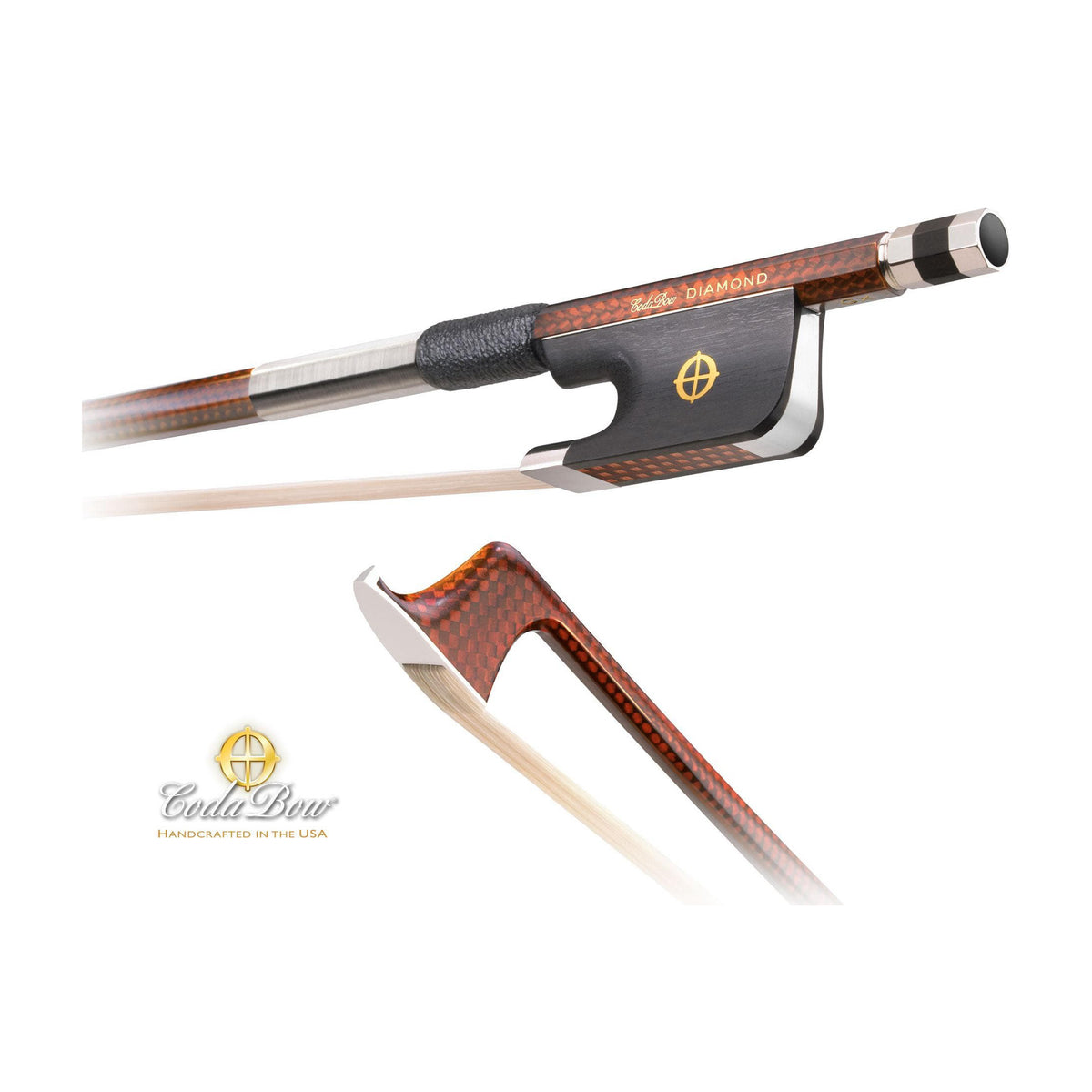
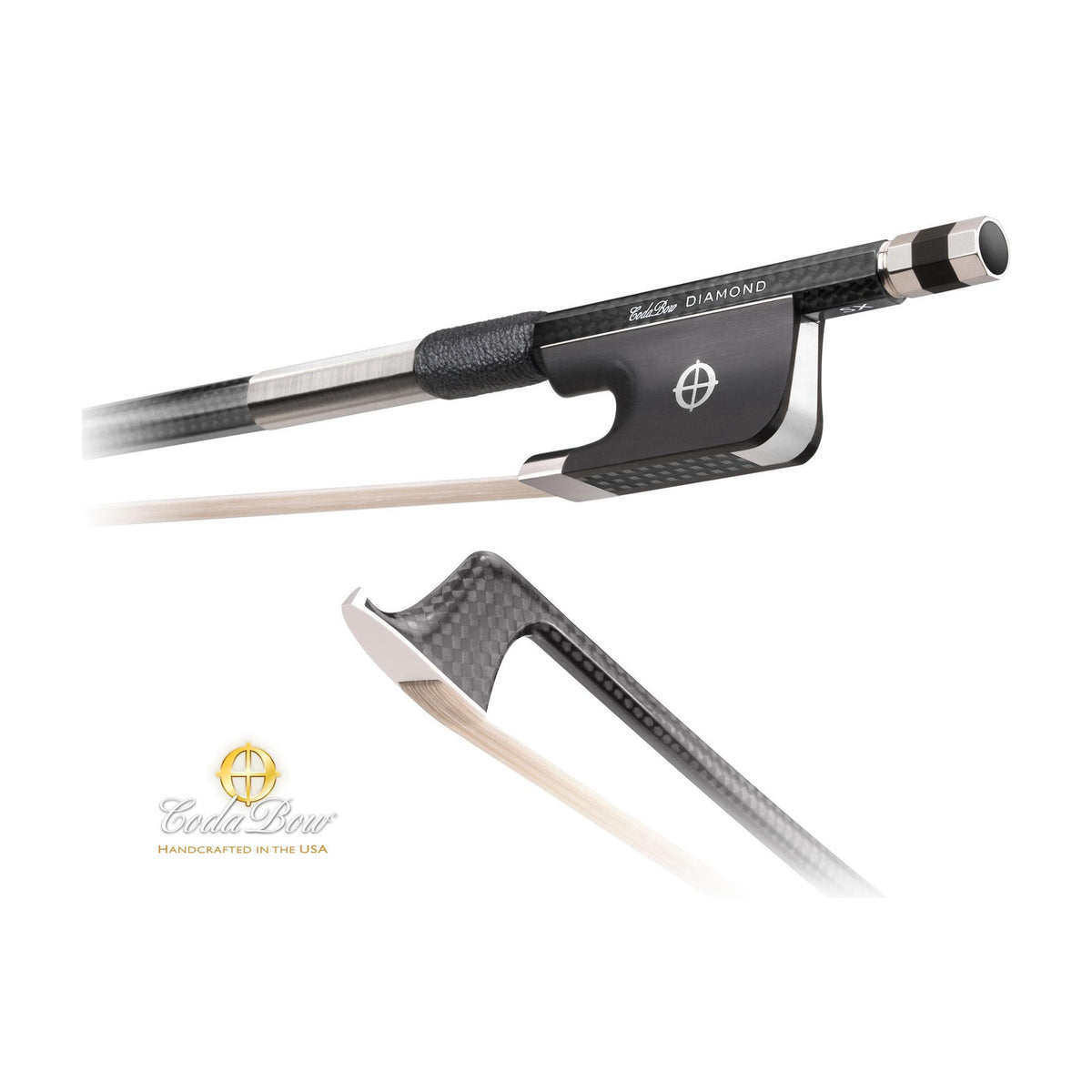
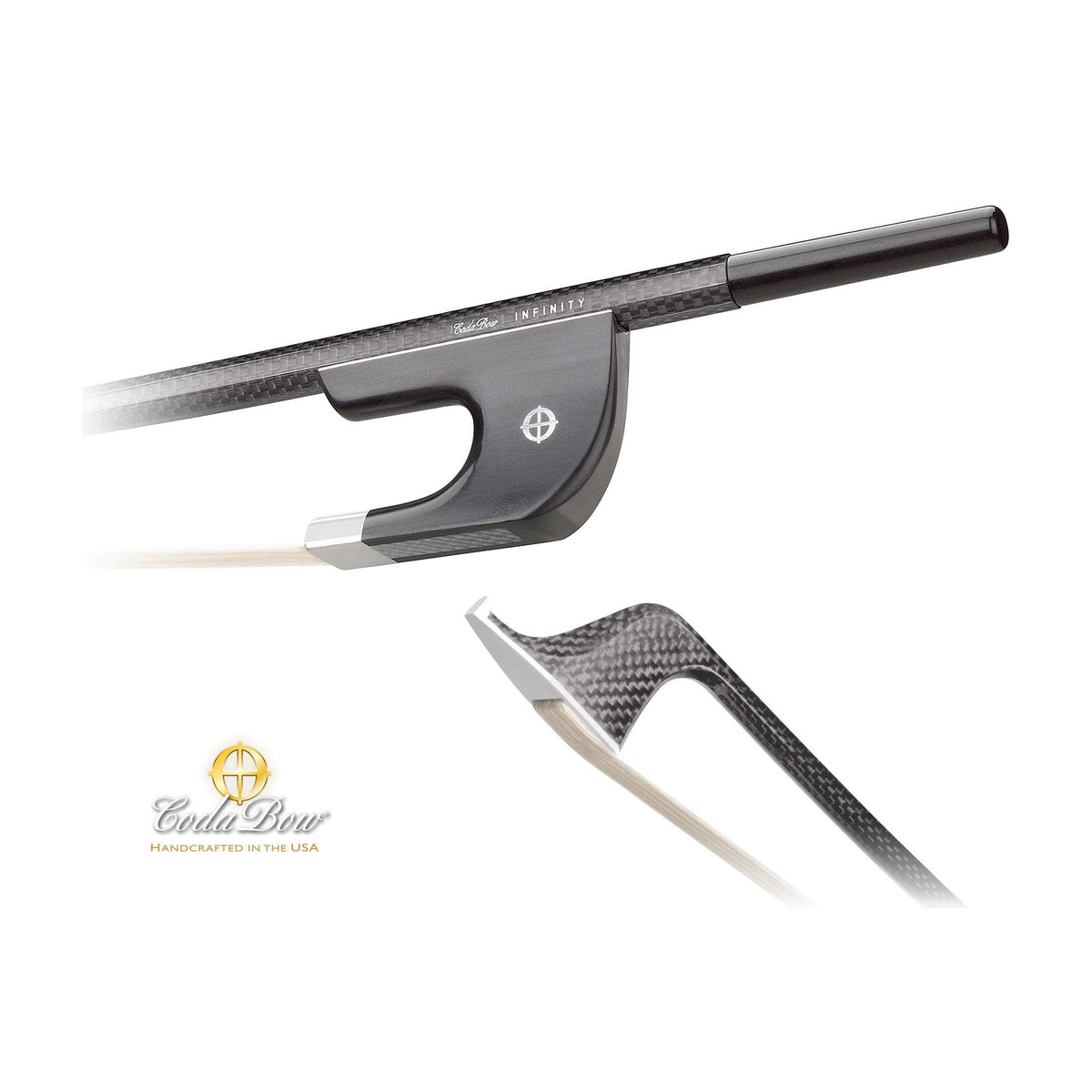
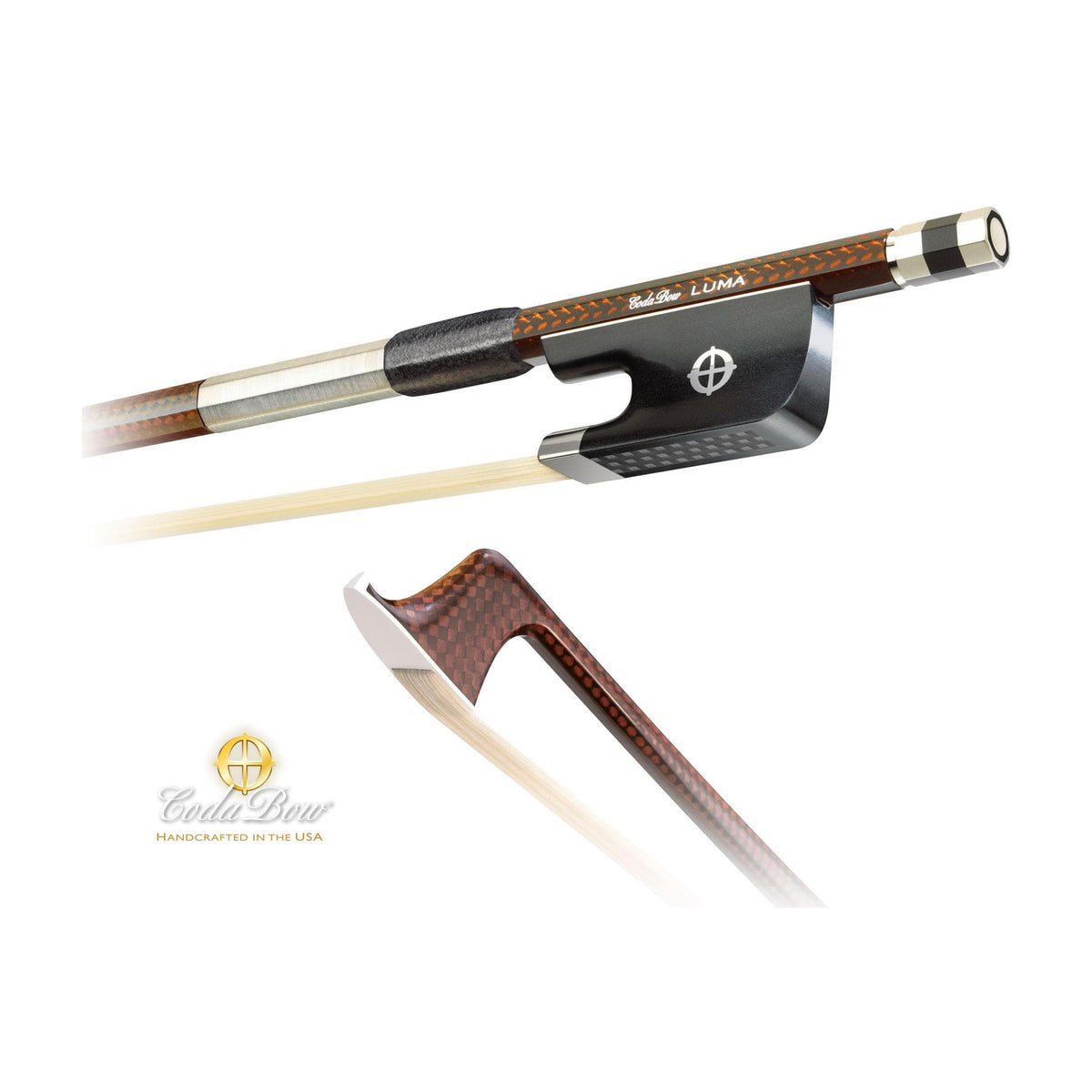
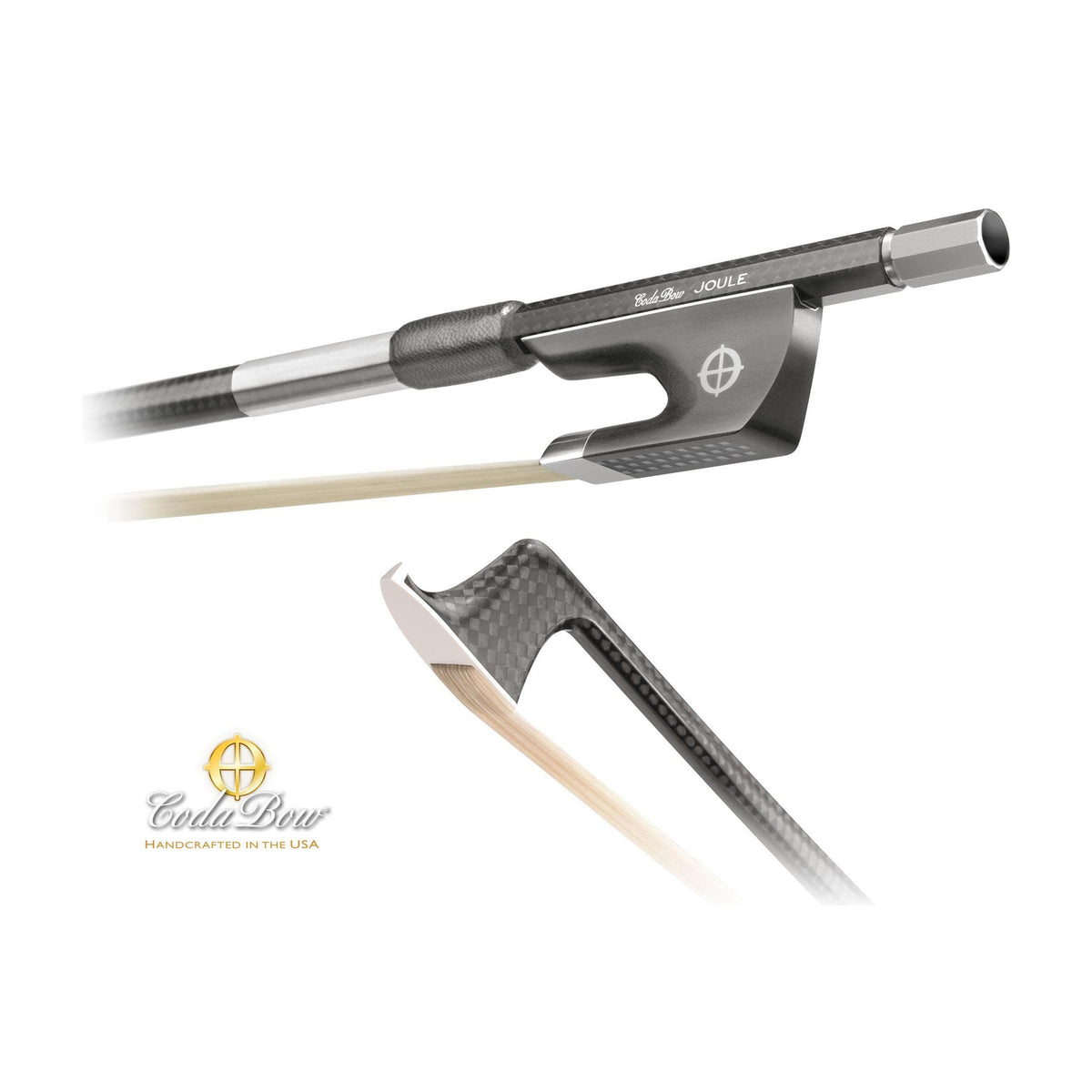
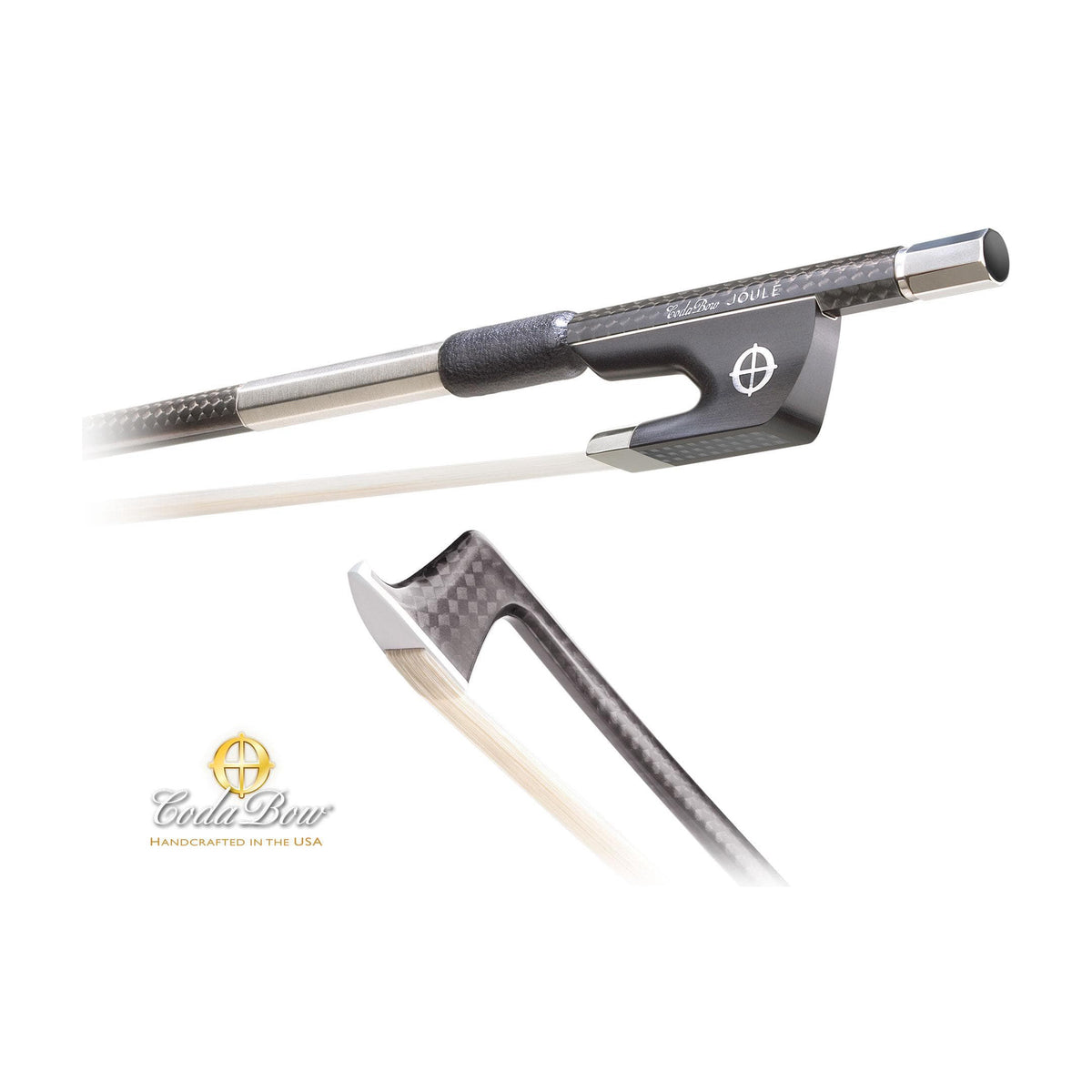
- Performance — Diamond NX, SX and GX, Luma and Joule: for violin, viola and cello, plus the Infinity and Revelation bass bows in French and German styles.
- Master — Marquise GS and Escent: CodaBow's top models. Marquise GS is also available for bass.
Carbon Fiber or Wood?
Carbon fiber bows are far less sensitive to humidity and temperature than pernambuco, which is why many players use them for travel, outdoor performances and school programmes. They are also consistent: two bows of the same model behave very similarly, which is rarely true of wood. Many advanced players keep both and choose by repertoire and venue.
Frequently Asked Questions
Are CodaBow bows made in the USA?
Yes. CodaBow designs and makes its bows in Winona, Minnesota.
Which CodaBow is best for a student?
Prodigy is CodaBow's student model and the usual starting point. Players who want more response and control from a bow typically look at the Diamond series next.
Is a carbon fiber bow good enough for an advanced player?
Many advanced and professional players use carbon fiber, particularly for travel and in changeable conditions. CodaBow's master models, Marquise GS and Escent, are built for that level. The practical difference from wood is consistency and resistance to climate rather than a ceiling on quality.