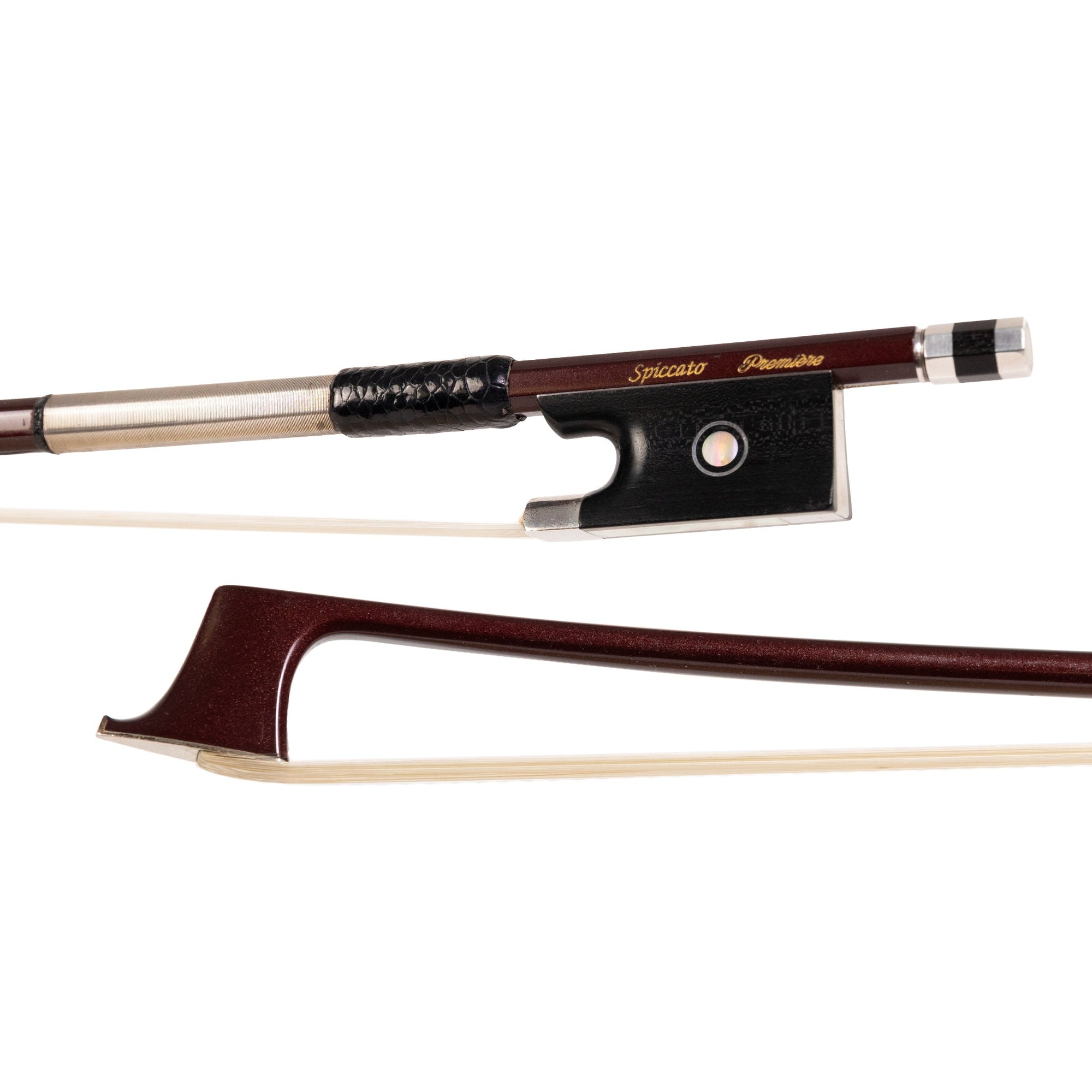
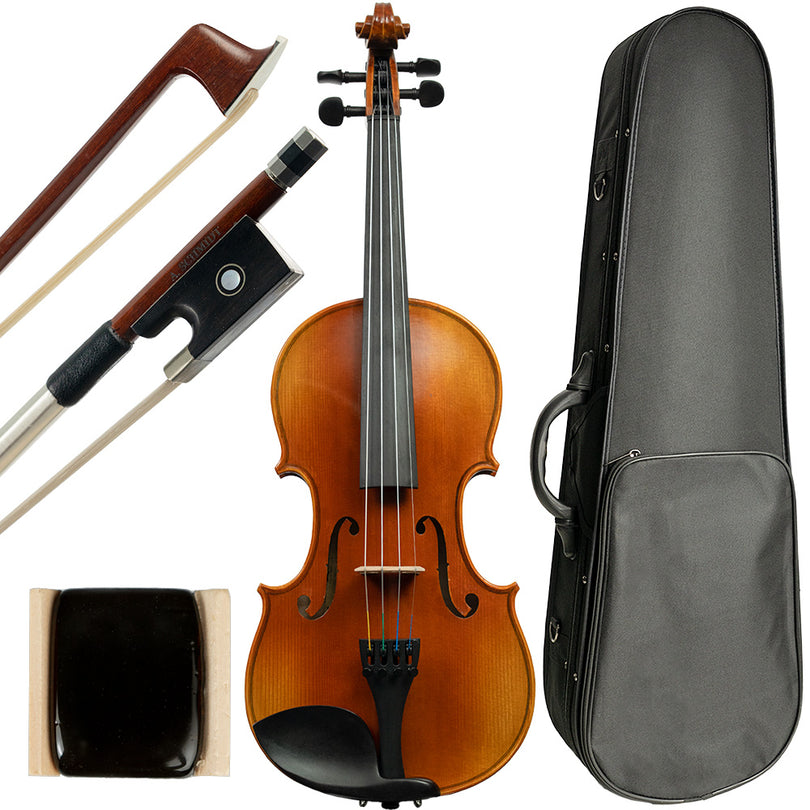
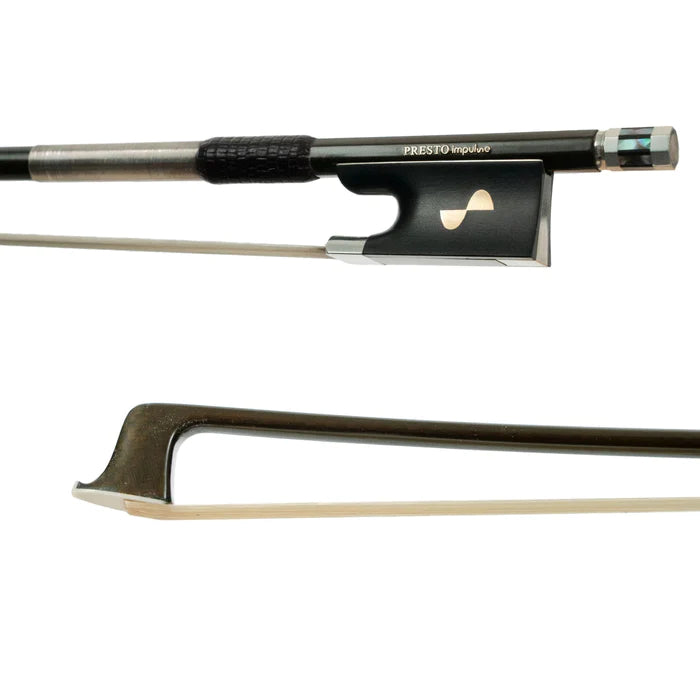

The good news is that you don't need to understand luthiery to make a smart choice. You just need to know what "good" means at your particular stage, and what you're actually paying for at each price point.
Violin Price Brackets: What to Expect at Every Level
Violin prices generally fall into several ranges, and each one is tied to a player's stage of development rather than a different definition of quality.
Under $300: Playable, but proceed carefully. At this price, you're mostly looking at factory-made instruments from large retailers or marketplace listings, and quality can vary significantly from one seller to the next. Many low-cost violins purchased without professional setup arrive with issues like poorly fitted bridges, uncomfortable string height, or pegs that don't hold tension, which can make early learning harder since students may struggle to tell whether a challenge comes from their technique or the instrument itself. Specialty retailers that inspect and set up each instrument before shipping tend to price a bit higher to cover that work, so what's actually available in this exact range shifts depending on stock. If you find an instrument here, make sure the seller stands behind the setup, or budget separately for a professional setup and accessories.
$800 to $3,000: Serious intermediate to seasoned student. At this level, players find instruments with more hand-crafted elements and carefully selected tonewoods, with setup work designed to help the violin respond as technique improves. Shar Music's intermediate violin collection, including the Carlo Lamberti and John Cheng lines, suits students moving into more challenging repertoire or auditioning for regional ensembles.
$5,000 and up: Advanced and professional territory. A $5,000 violin offers more refined craftsmanship and carefully selected materials than entry-level instruments, responding more easily to subtle changes in bow pressure, speed, and technique. Shar Music's Fine & Timeless collection features instruments built for advanced and professional players. For most beginners, spending this much is unnecessary; the value here is an instrument that keeps revealing more nuance as technique develops.
Renting vs. Buying: Which Path Saves You More in the Long Run?
For most beginners, especially children trying school orchestra for the first time, renting is often the more financially practical starting point. However, the best choice depends on how long the player expects to continue, whether they are still growing, and what stage they are in their musical journey.
Shar Music offers two rental paths depending on where you live. SharWay is a rent-to-own program available nationwide, with no down payment required on a new Franz Hoffmann violin outfit and every monthly payment building toward ownership. Michigan residents also have access to Michigan Rentals, a program built for players in Shar Music's home state that includes free insurance and equity toward ownership. Both programs include the instrument, bow, case, and rosin, which can add real cost when purchased separately. Current monthly rates for both programs are posted on the Shar Music website and are worth checking before you commit, since they're adjusted from time to time.
Here's how the timelines generally compare using SharWay, since it's the option available to families anywhere in the country:
One year (testing the waters): A year of SharWay rental adds up to a modest total with no long-term commitment if the student decides orchestra isn't the right fit. Buying a beginner outfit outright costs about the same or slightly more upfront, but makes sense for families confident the student will continue.
Two to three years (continued learning and growth): Over 24 to 30 months, SharWay payments build toward full ownership of the instrument. This is often the strongest case for renting, since the program allows free size exchanges as a child grows, while buying means managing the cost of reselling or storing an outgrown instrument. It's important to consider that buying a fractional instrument while your child is still growing can necessitate purchasing one or more sizes as your child continues to grow. This may make sense only if there are multiple students in your family who can take advantage of the accumulated instruments.
Beyond three years (committed player): Once a student is committed and has reached a stable size, purchasing becomes the more economical choice, since continuing to rent past this point means paying indefinitely for an instrument you'll never own.
For many families, renting through the sizing years and purchasing once growth and commitment are established is the most practical approach. Michigan residents may want to compare both programs directly, since Michigan Rentals bundles free insurance in a way SharWay does not.
Beyond Price: How to Recognize a Truly Good Violin
Price is a reasonable proxy for quality, but it isn't the whole story. Two violins at the same price point can sound and play very differently, so it helps to know what you're actually listening and looking for when you try instruments in person.
Tone. A good violin produces a clear, even sound across all four strings, without any one string sounding noticeably weaker or buzzier than the rest. Play the same note on adjacent strings and listen for consistency. A quality instrument also has good projection, meaning the sound carries and fills a room rather than sounding thin or swallowed up, even at a moderate volume.
Playing comfort. Pick up the instrument and check that the strings sit at a comfortable height above the fingerboard, not so high that pressing down is a struggle, not so low that the strings buzz against the fingerboard. The chin rest and shoulder rest position should feel natural, not like you're straining your neck to hold the instrument steady.
Materials and craftsmanship. Look at the wood grain on the top plate; tighter, more even grain generally indicates better tonewood. Hand-carved f-holes have slightly irregular, organic edges, while machine-cut f-holes on cheaper instruments look stamped and identical. Check that the seams where the top and back plates meet the ribs are tight, with no visible gaps, since gaps can cause buzzing and indicate rushed assembly.
Acoustic response. Draw the bow slowly across an open string and notice how quickly the sound "speaks." A good violin responds almost instantly with a full tone, while a lower-quality instrument has a delay or requires extra bow pressure to sound clear. This responsiveness becomes especially noticeable in fast passages, where a sluggish instrument makes clean playing much harder.
For higher-value instruments, Shar Music's In-Home Trial program lets you compare up to two violins at once in your own space over a 10-day trial period, for a processing fee. The program has a minimum instrument value to qualify, so check the current terms on the page before assuming it applies to the violin you're considering. For instruments below that threshold, the best way to evaluate tone and comfort is still to visit a shop in person or talk through your options with a specialist before you buy.
The Hidden Costs of Violin Ownership
The sticker price of a violin is just the starting point. A realistic budget needs to account for the accessories and upkeep that come with actually playing the instrument.
| Item | First-Year Cost | Notes |
|---|---|---|
| Bow | Often included in outfits | Standalone bows range $50 to $300+ for student grade |
| Case | Often included in outfits | $80 to $250 if purchased separately |
| Rosin | $10–$20 | Lasts 6 to 12 months with regular practice (and even longer if you don't drop it!) |
| Shoulder rest | $25–$45 | Replace if it cracks or the student changes size |
| Strings | $30–$80 per set | Replace every 6 to 12 months, sooner for heavy practice |
| Basic maintenance/setup | $50–$100 | Bridge adjustment, peg work, minor repairs |
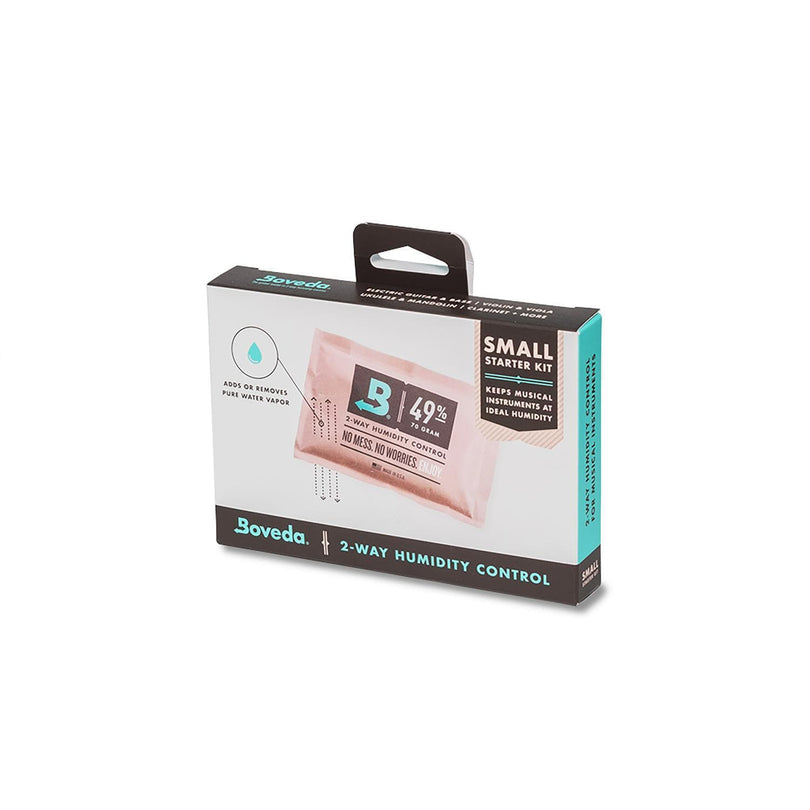
| Humidifier/case humidity control | $10–$25 | Protects against cracking in dry winter months |
| Insurance | $50–$150/year | Often bundled free with rental programs |
| Appraisal (as needed) | $50–$150 | Typically only needed for insurance or resale on owned instruments over $1,000 |
For a first-year beginner who buys outright, budget an extra $150 to $300 beyond the instrument itself for strings, rosin, a shoulder rest, and basic upkeep. Shar Music's accessories collection covers most of these essentials, and it's worth noting that Shar Music's rental programs already bundle the bow, case, and rosin, which quietly saves $150 to $300 compared to assembling everything separately. If you own the instrument outright, a periodic professional appraisal is worth the cost once the violin is valuable enough to insure properly.
Ready to Find Your Perfect Violin?
The honest answer to "how much is a good violin" depends entirely on where you or your student are on the journey. A well-set-up $350 outfit is genuinely good for a first-year beginner, just as a $3,000 hand-carved instrument is genuinely good for an advancing player auditioning for all-state orchestra. What matters most is matching the instrument to the stage, not chasing the highest price tag you can afford.
The single best step before buying anything is to try instruments in person, since tone and playing comfort vary even within the same price bracket. Browse Shar Music's full violin collection, explore rental and rent-to-own options if you're just starting out, or reach out to our team for a personalized recommendation based on your budget and goals. We're happy to help you find the instrument that fits.
FAQ
What is the minimum you should spend on a playable violin?
Plan on spending enough for a reliable beginner violin outfit, such as the Franz Hoffmann® Amadeus Violin Outfit, from a reputable music shop, rather than chasing the cheapest option available. See the price bracket breakdown above for a sense of where that starting point typically falls. While less expensive instruments can sometimes work, many low-cost violins require additional setup or adjustments that can make learning more difficult. A properly fitted instrument with a comfortable setup gives beginners a much better foundation.
How can you tell if a violin is high quality?
Listen for an even, clear tone across all four strings and pay attention to how easily the violin responds when played. A quality instrument should feel comfortable, produce a balanced sound, and respond well to changes in bow pressure and speed. Craftsmanship details like clean seams, well-fitted parts, and quality materials can also indicate careful construction.
Is a $400 violin suitable for an intermediate player?
A $400 violin can be suitable for an early-intermediate player who has progressed beyond the beginner stage and needs a more reliable instrument. However, players taking on more advanced repertoire, auditions, or demanding techniques will often benefit from upgrading to the $800 to $3,000 range for greater tonal flexibility and responsiveness.
What does a $5,000 violin offer that a $500 violin doesn't?
A $5,000 violin typically offers more advanced craftsmanship, carefully selected materials, and a greater range of tonal colors and responsiveness. While a $500 violin can be an excellent choice for a beginner, higher-priced instruments are designed to provide more nuance and flexibility for players who have developed the technique to take advantage of those qualities.
Should a beginner rent or buy a violin?
Renting is often the more practical choice for beginners, especially growing children who will need different violin sizes over time. A year of rental through SharWay has no long-term commitment if the student decides violin isn't the right fit, and rent-to-own payments build toward ownership rather than disappearing each month. Michigan residents also have the option of Michigan Rentals. For committed players who are confident they'll continue and have reached a stable size, purchasing a well-matched instrument outright can be the more economical option within two to three years.
What hidden costs come with owning a violin?
Beyond the instrument itself, budget for essentials like strings, rosin, a shoulder rest, bow maintenance, basic setup work, and humidity control. These costs can add $150 to $300 or more in the first year depending on the instrument and how often it is played. Higher-value violins may also require insurance and occasional appraisal costs.